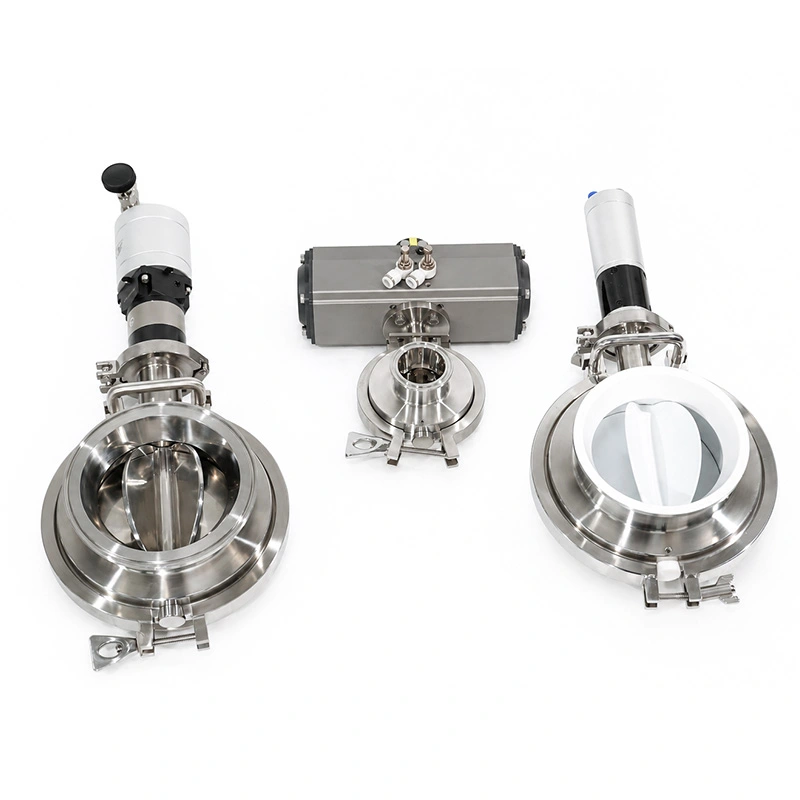
In pharmaceutical, biotechnology, and new energy industries, preventing operator exposure and cross-contamination during powder handling is a major challenge. Split butterfly valve technology provides an effective containment solution for critical powder transfer processes, helping manufacturers safely handle highly potent materials while maintaining strict production standards.
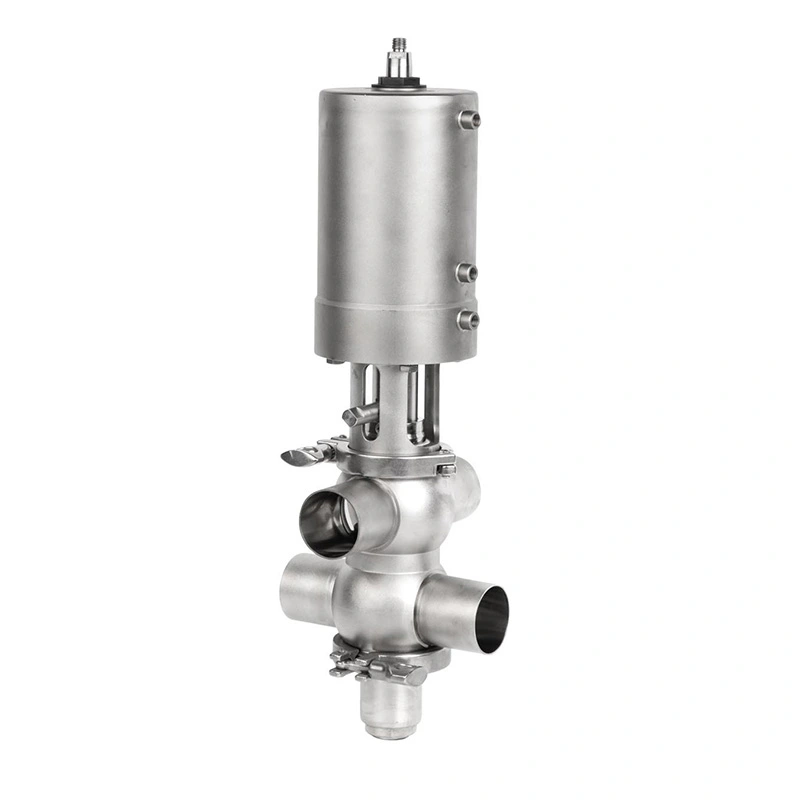
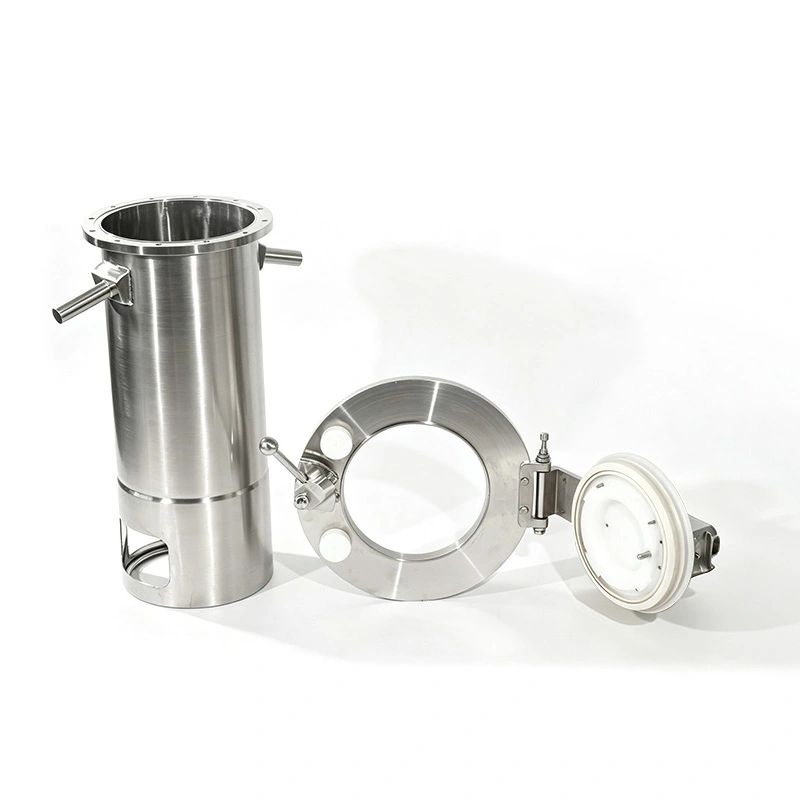
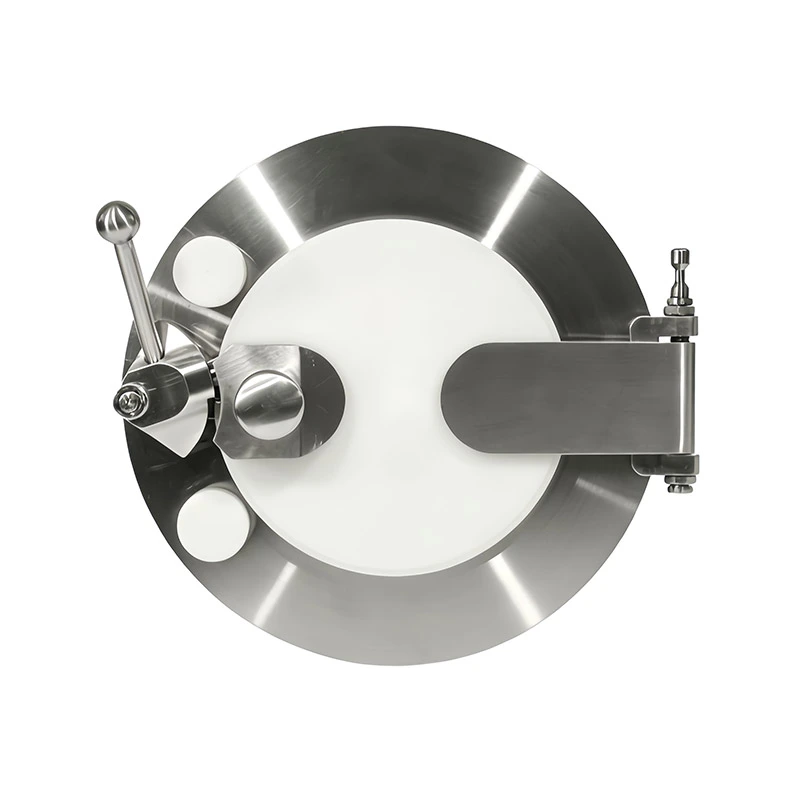
Designed for high-containment applications from OEB 4 to OEB 5 levels, the system consists of an active half and a passive half, with each component featuring an independent sealing structure. The two halves remain securely sealed during connection and only open after precise docking, ensuring controlled material transfer without compromising containment integrity.
The key advantage of split butterfly valve technology is its ability to achieve near-zero emission performance through mechanical sealing without relying on external vacuum systems. Advanced designs can provide containment levels below 1 µg/m³, while optimized configurations can achieve nanogram-level performance below 0.1 µg/m³, reducing risks associated with highly active or hazardous powders.
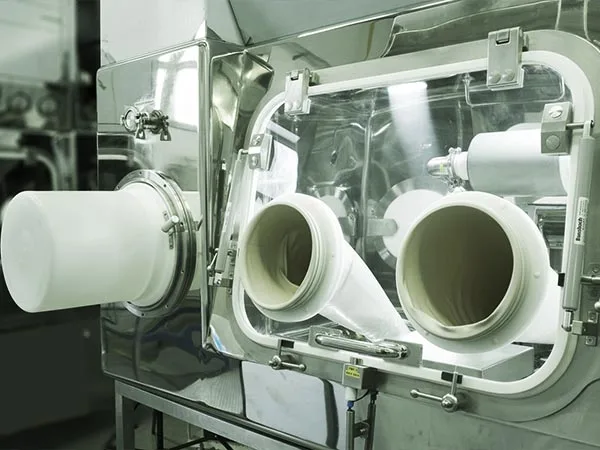
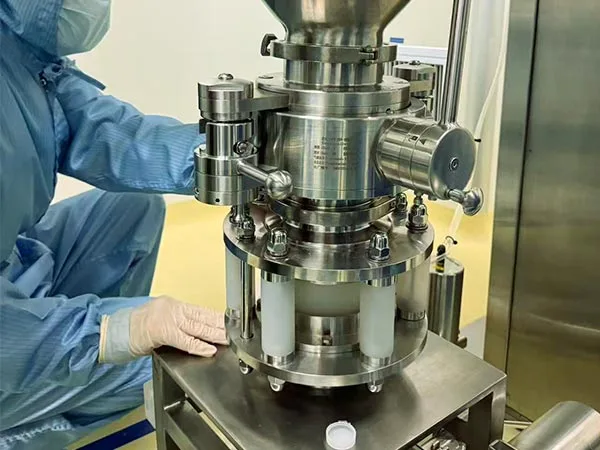
With excellent containment capability and reliable operational performance, these valves are widely used for transferring highly potent APIs, toxic compounds, and valuable powder materials. Typical applications include reactor charging, isolator material transfer, and IBC-to-process equipment connections, where maintaining product integrity and protecting operators are equally important.
Validated according to ISPE SMEPAC (Standardized Measurement of Equipment Particulate Airborne Concentration) guidelines, split butterfly valve systems provide measurable containment data to support GMP compliance requirements. By combining secure isolation, efficient transfer, and proven containment performance, this technology helps pharmaceutical and advanced manufacturing facilities achieve safer and more controlled powder processing operations.
We use cookies to offer you a better browsing experience, analyze site traffic and personalize content. By using this site, you agree to our use of cookies.Privacy Policy