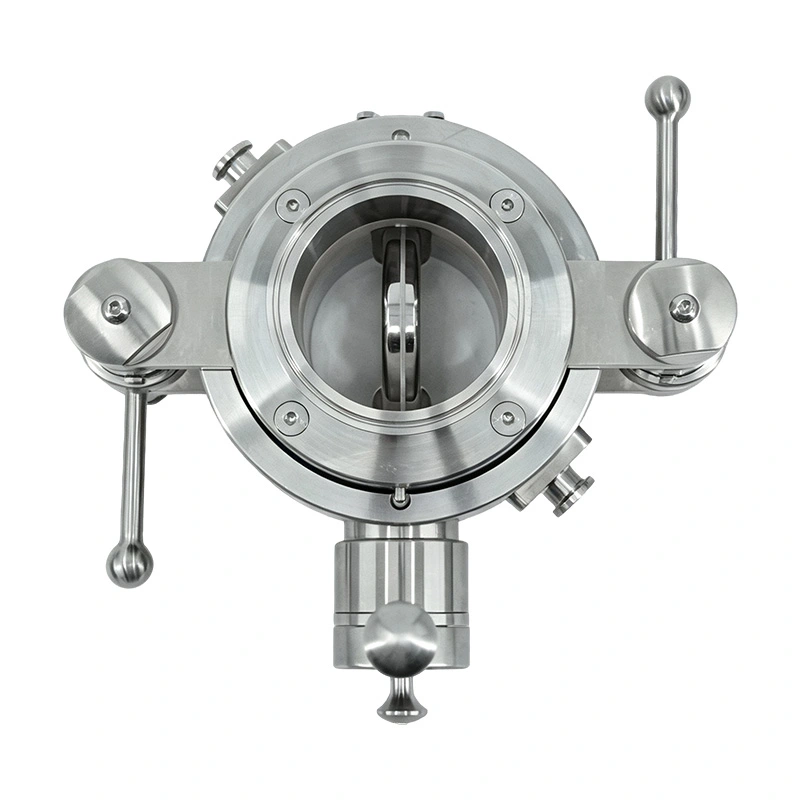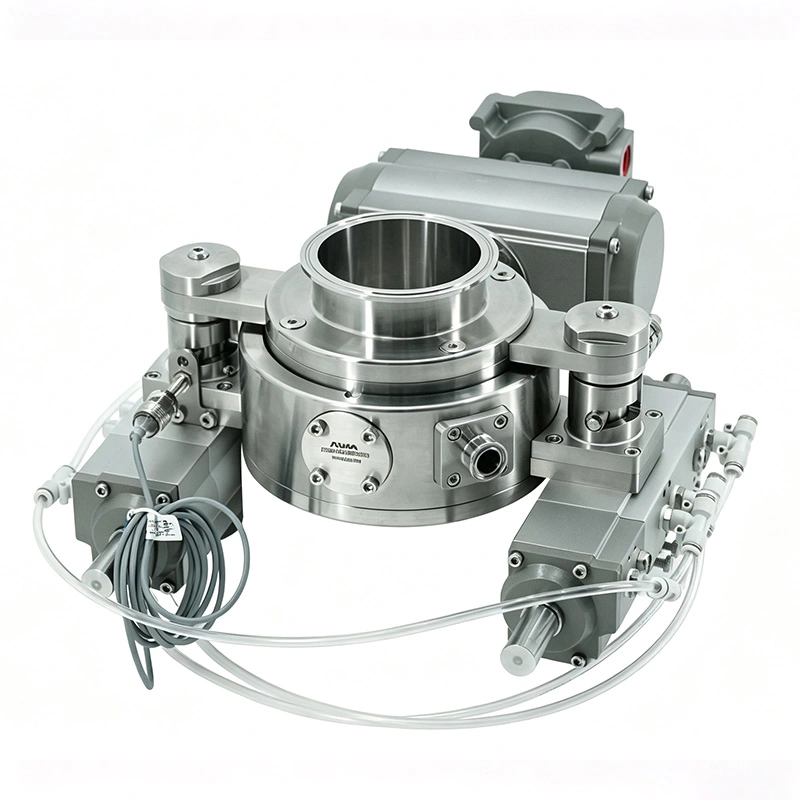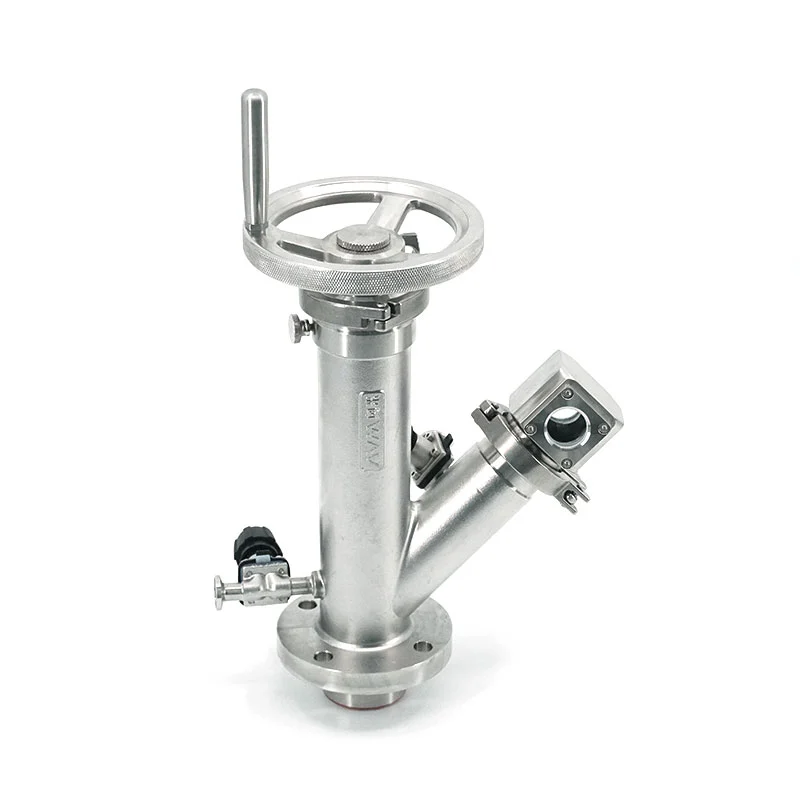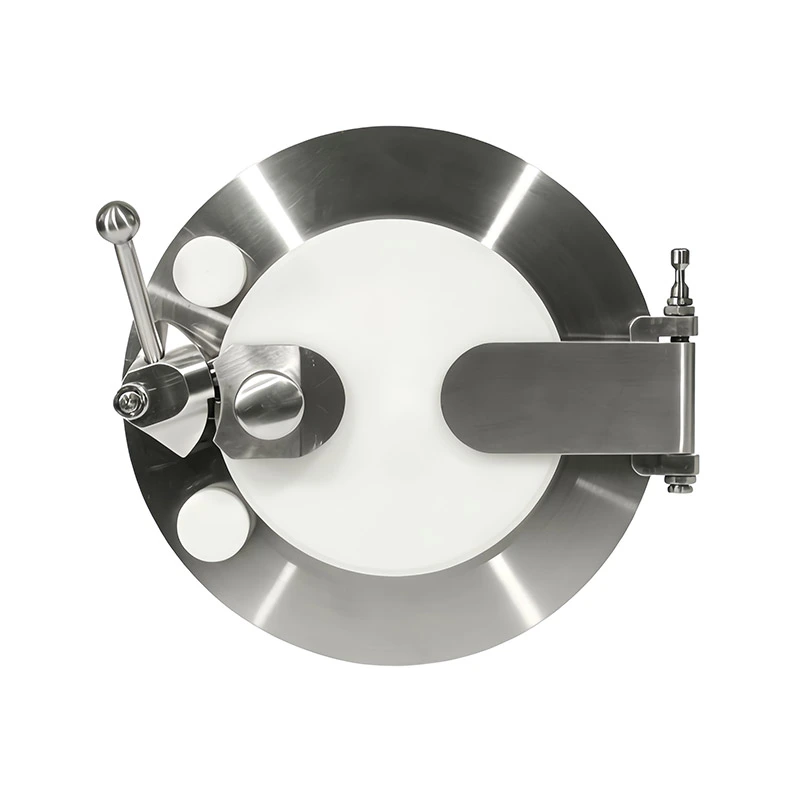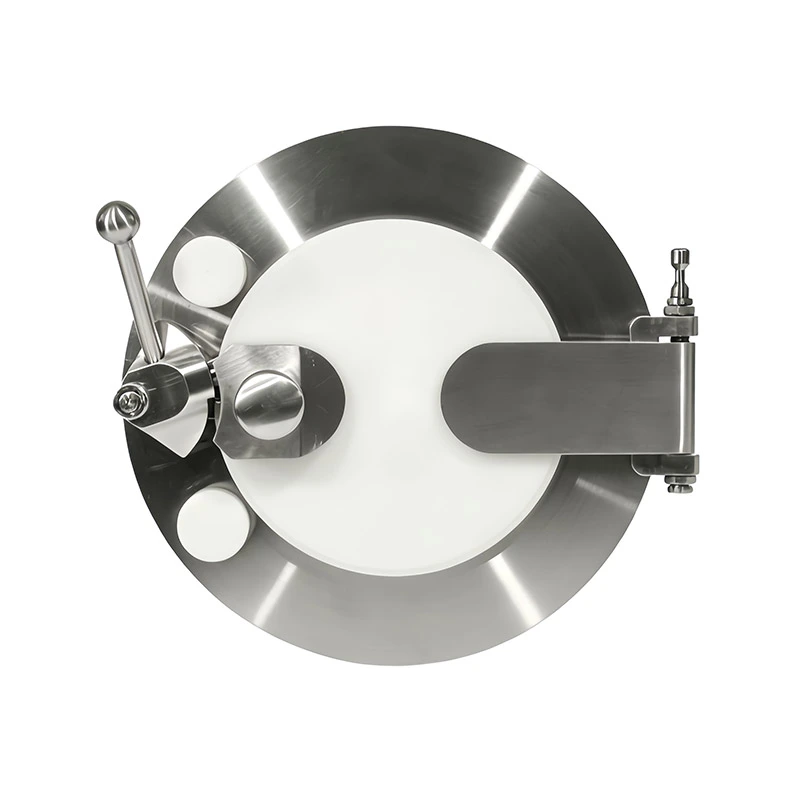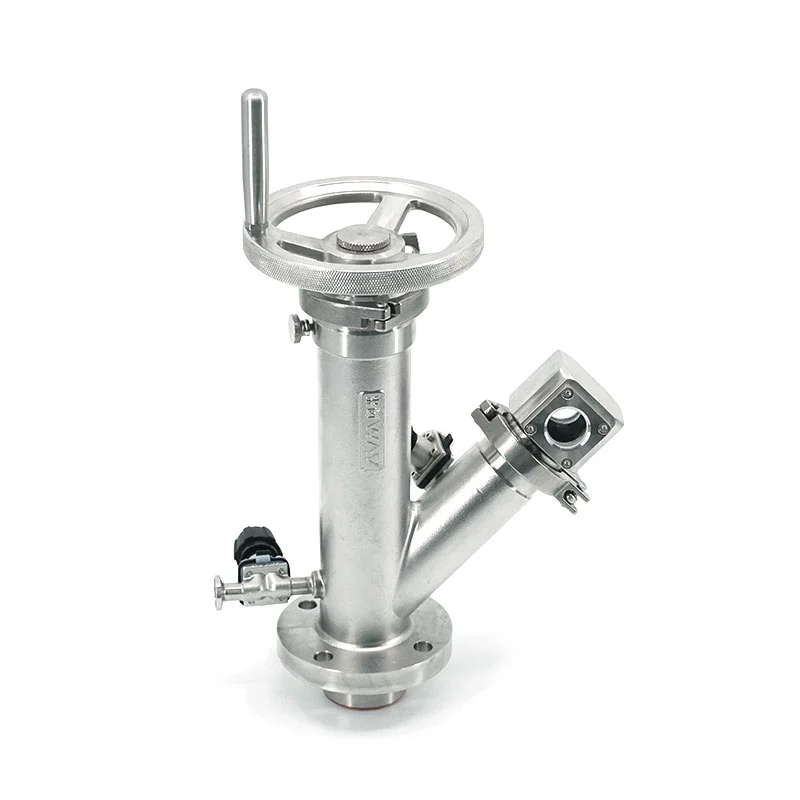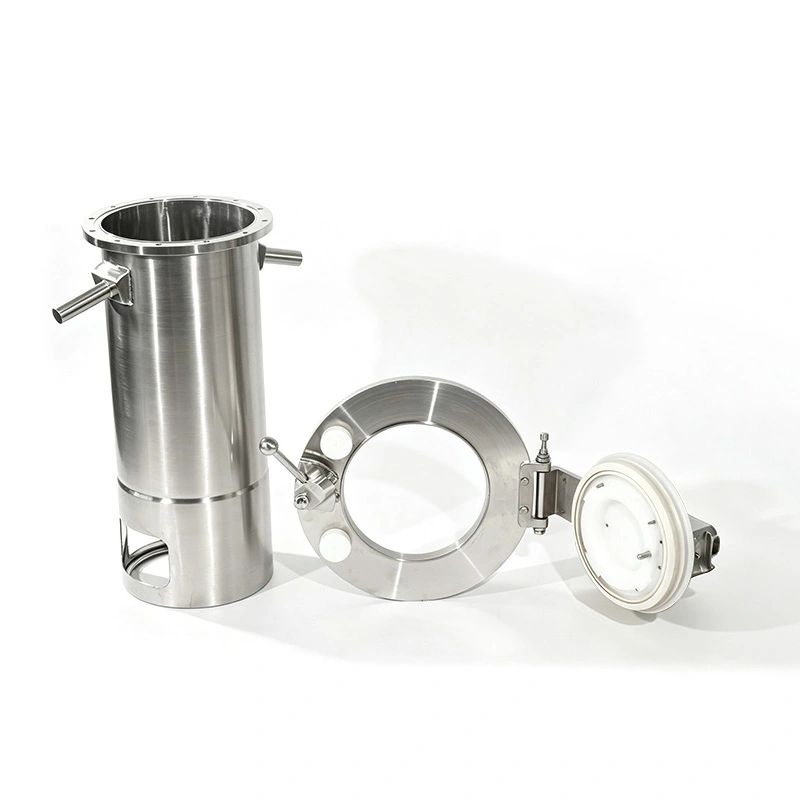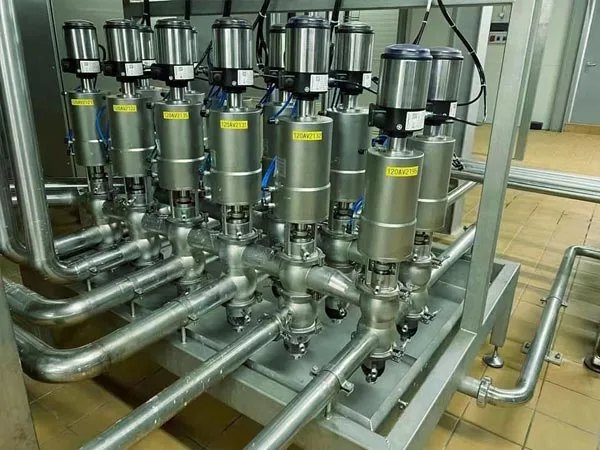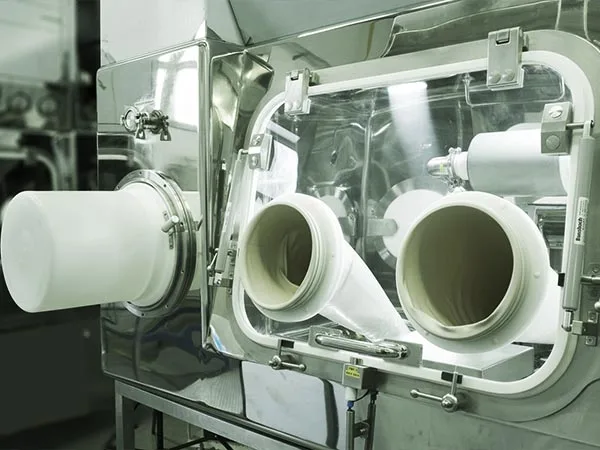
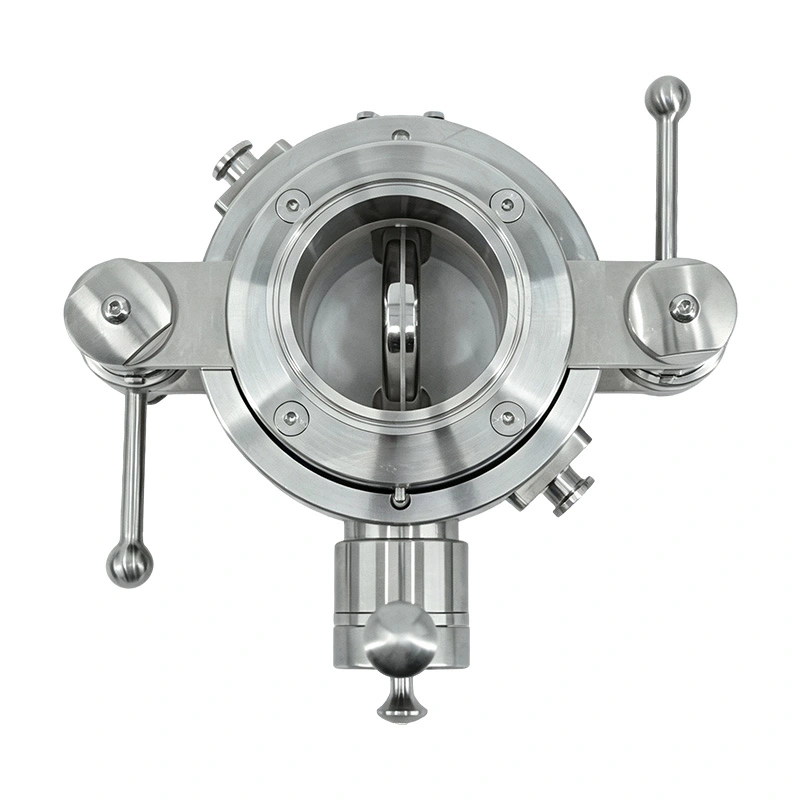
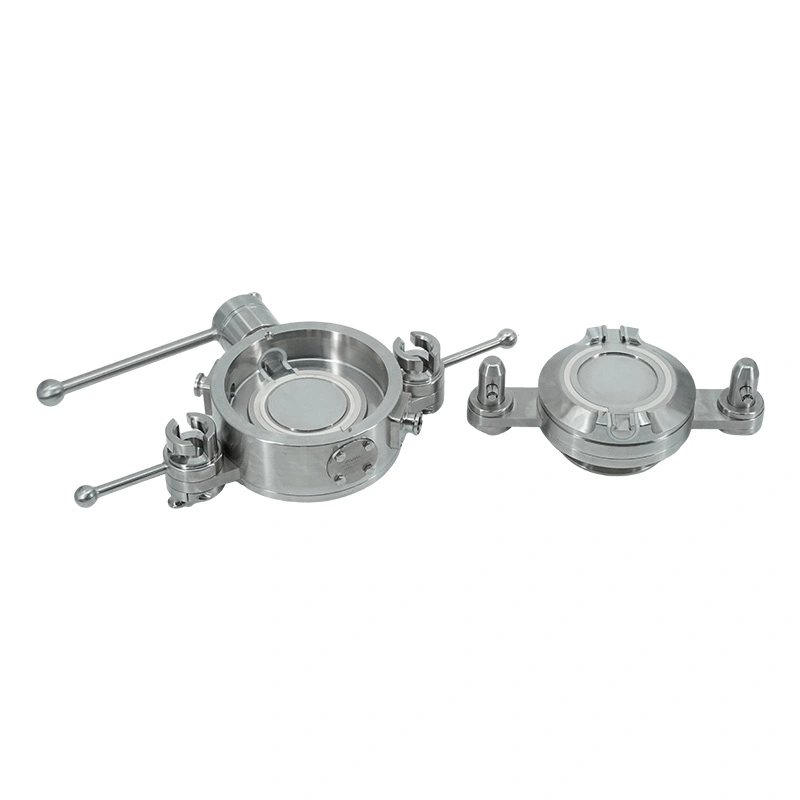
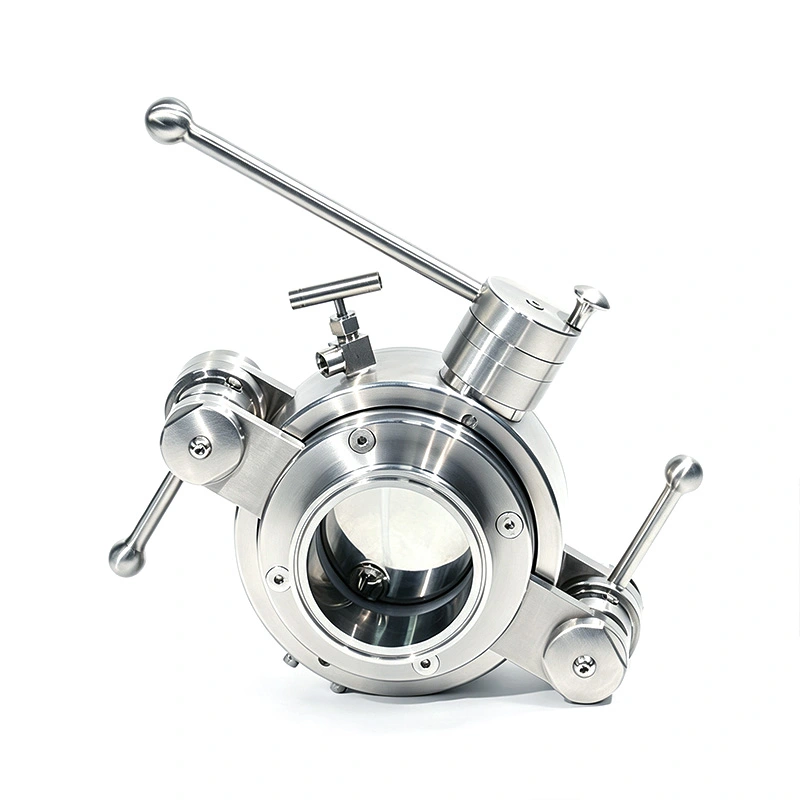
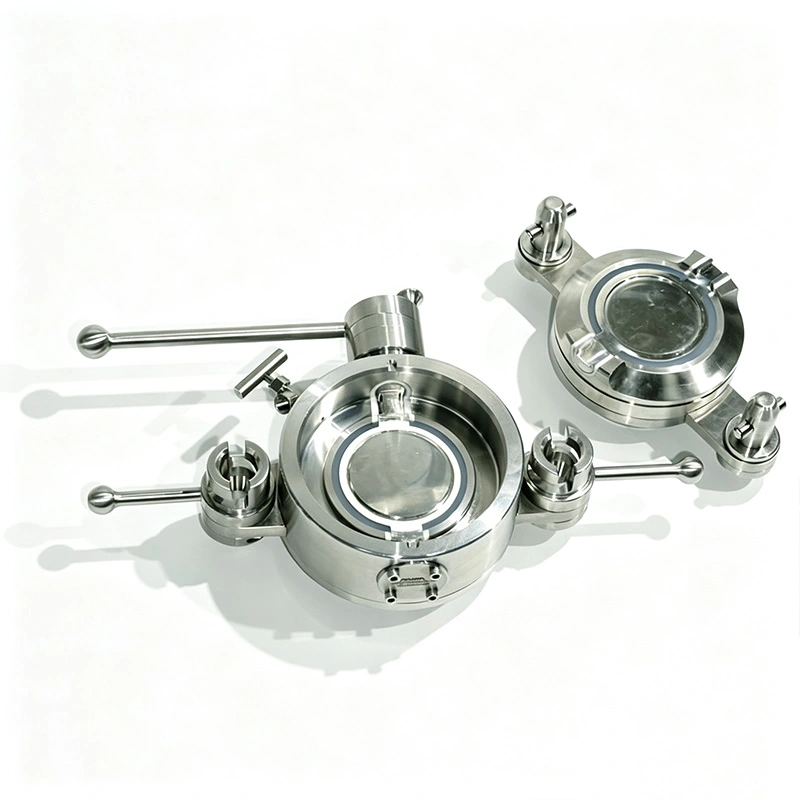
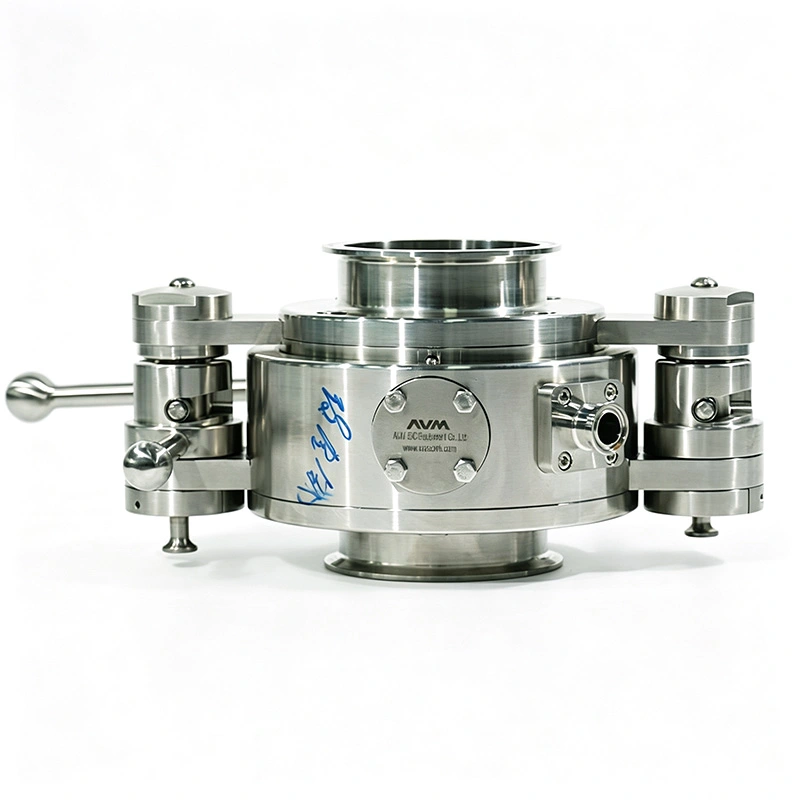
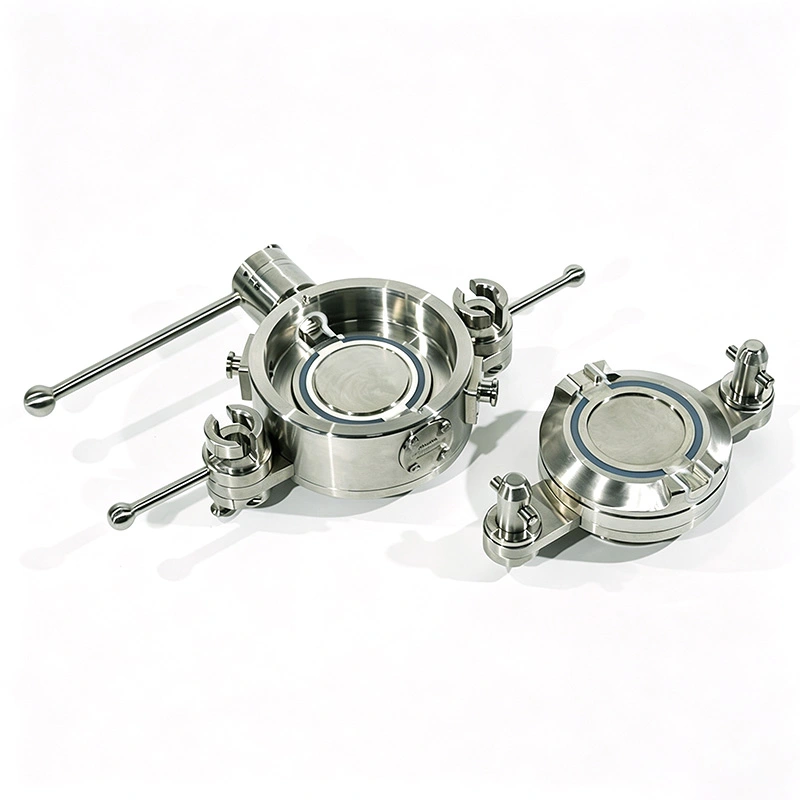
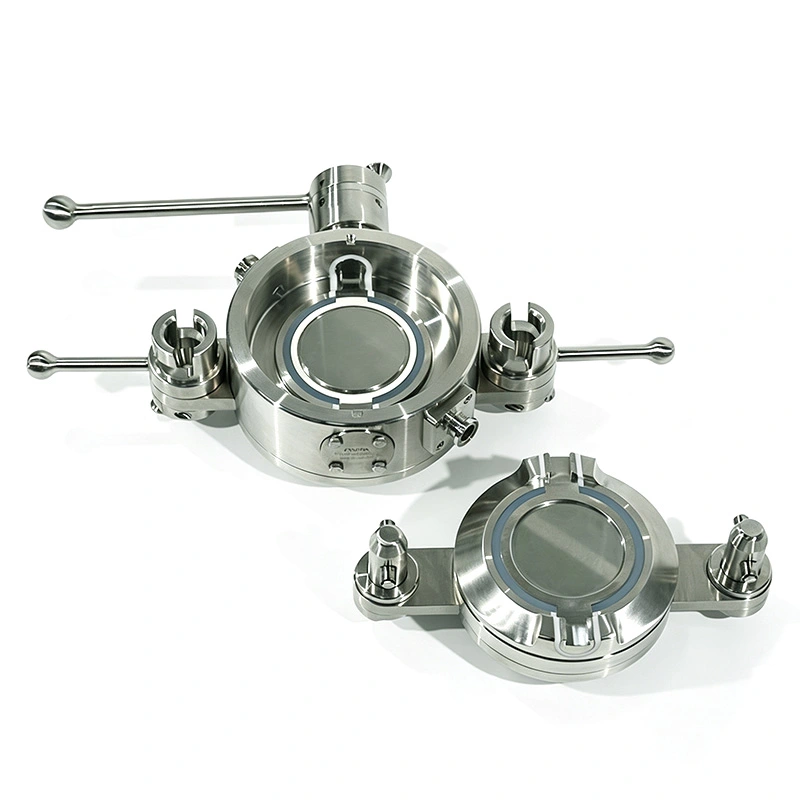
AVM GMP High Containment Manual Split Butterfly Valve is designed for pharmaceutical, biopharmaceutical, and highly active pharmaceutical ingredient (HPAPI) processing where contained powder transfer and in-situ cleaning are required. Unlike conventional split butterfly valves that need to be removed for offline cleaning and sterilization, this design incorporates dedicated CIP/SIP channels to support cleaning and sterilization without dismantling the connected pipeline.
The product-contact areas use polished stainless steel construction to reduce powder retention and simplify cleaning validation. It is suitable for closed transfer between reactors, dryers, isolators, IBCs, and other process equipment. Manual operation is available as the basic configuration, while pneumatic and automated versions can be selected when the production line requires remote operation or integration with PLC, DCS, or SCADA systems.
AVM manufactures the valve under an ISO 9001 quality management system and provides CE and FDA-related compliance options according to the selected configuration. Material certificates, test reports, and validation documentation can also be specified for pharmaceutical projects.
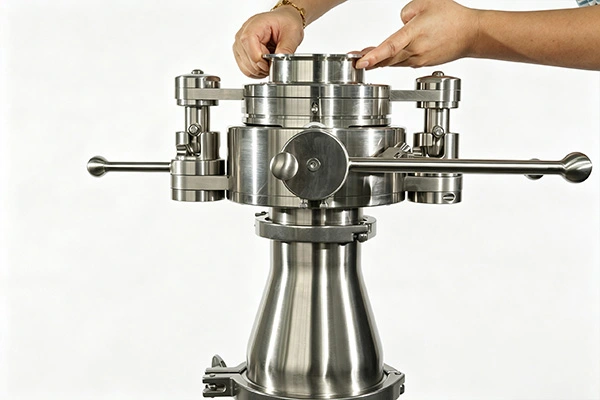
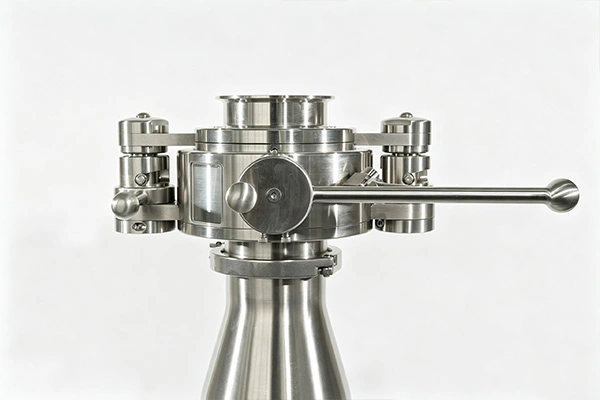
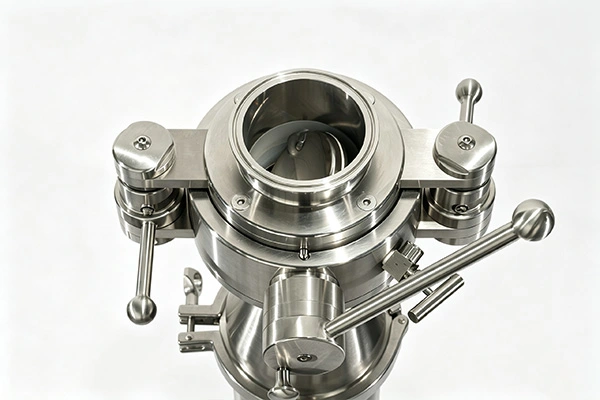
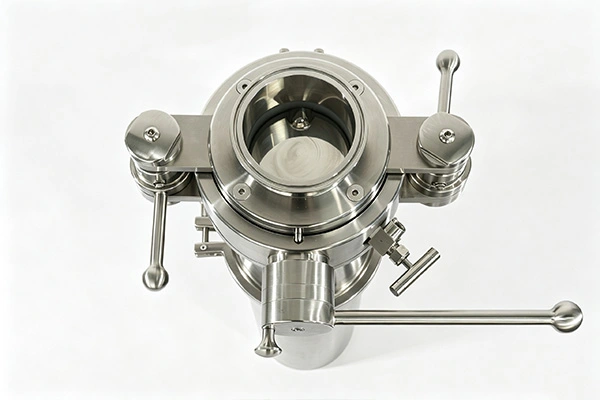
The GMP High Containment Manual Split Butterfly Valve incorporates a dedicated cleaning channel that allows cleaning media to reach the relevant product-contact areas while the valve remains installed in the process line. This eliminates the need for routine disassembly when the validated process is designed for CIP operation.
The integrated sterilization path supports SIP operation using saturated steam. Steam distribution and exposure conditions can be incorporated into the customer's sterilization validation procedure according to the selected valve configuration and process requirements.
Combining powder transfer with in-situ cleaning and sterilization reduces the number of manual intervention steps between batches. This is particularly useful for production lines where frequent changeovers make offline valve removal impractical.
The split valve structure is designed for contained powder handling and can provide OEB 4 containment without an extraction system, subject to the complete installation and applicable containment testing.
For highly active pharmaceutical ingredients and other high-risk powders, an extraction system can be added to support OEB 5 applications. The final containment level should be confirmed through the customer's process conditions, equipment configuration, and containment assessment.
The active and passive valve halves create an enclosed interface between process equipment and the connected container. This helps limit powder release during material transfer and reduces the possibility of product contact with the surrounding production environment.
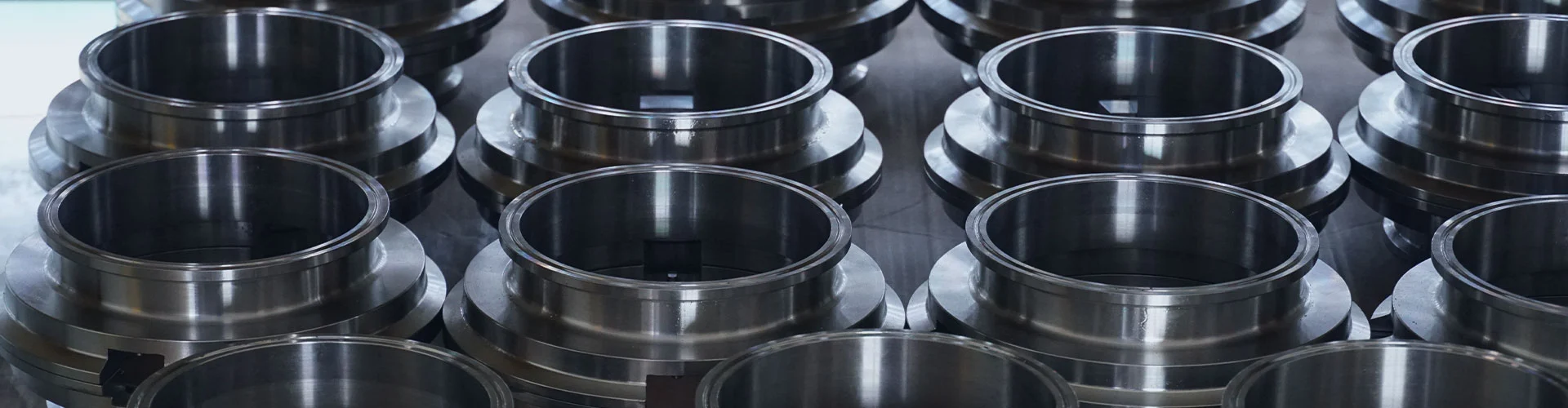
Product-contact components are manufactured from SS316L stainless steel. Non-contact components use SS304 where applicable. The material selection is intended for pharmaceutical environments where corrosion resistance, cleanability, and material traceability are important.
Internal product-contact surfaces can achieve Ra ≤ 0.4 μm, while external surfaces can achieve Ra ≤ 0.8 μm. The polished finish helps reduce powder accumulation and provides a surface suitable for cleaning and inspection.
Available elastomers include EPDM, silicone, and Viton (FKM). FDA CFR 21-compliant material options can be selected according to the application. Seal selection should consider cleaning agents, steam temperature, product compatibility, and operating conditions.
Because cleaning and sterilization can be performed while the valve remains installed, the production line does not need to rely on routine valve removal for every cleaning cycle. This can reduce the downtime associated with batch changeover when the process is validated for in-situ cleaning.
The polished contact surfaces and integrated cleaning path help reduce material retention between batches. For multi-product facilities, the cleaning procedure should be validated against the specific powders and acceptance criteria used by the customer.
The cleaning and sterilization functions can be incorporated into GMP validation documentation. Temperature distribution, cleaning parameters, exposure time, and acceptance criteria should be established according to the customer's validated process rather than relying on a universal cycle for all applications.
The standard configuration uses manual operation for applications where operators need direct control of the valve during material transfer. It can be used in intermittent production, laboratory-scale processes, or existing lines where full automation is not required.
A pneumatic actuator can be specified when the process requires reduced manual intervention. The actuator can operate the valve according to the customer's control sequence while maintaining the same basic split-valve interface.
With suitable actuators, sensors, and control components, the valve can be incorporated into PLC, DCS, or SCADA systems. Position feedback and interlocking functions can be added when the production line requires automatic status monitoring and sequencing.
The GMP High Containment Manual Split Butterfly Valve can be installed on reactors, fluidized bed dryers, vacuum dryers, isolators, powder handling systems, and other pharmaceutical process equipment. The active and passive sides can be configured according to the material transfer direction and equipment interface.
Tri-Clamp connections are available according to DIN, BS, 3-A, and JIS standards. The connection type should be selected according to the existing pipeline, vessel nozzle, IBC interface, and project engineering standard.
The valve can be considered for upgrading existing powder transfer lines where the customer wants to add in-situ cleaning and sterilization without replacing the complete process system. Interface dimensions, available installation space, cleaning connections, and sterilization requirements should be checked before retrofit.
Available accessories include an active cleaning cap, active plug, passive valve protector, compensator, POM passive valve, and single-use beta bag. The appropriate combination depends on the process layout, container type, cleaning method, and material transfer requirements.
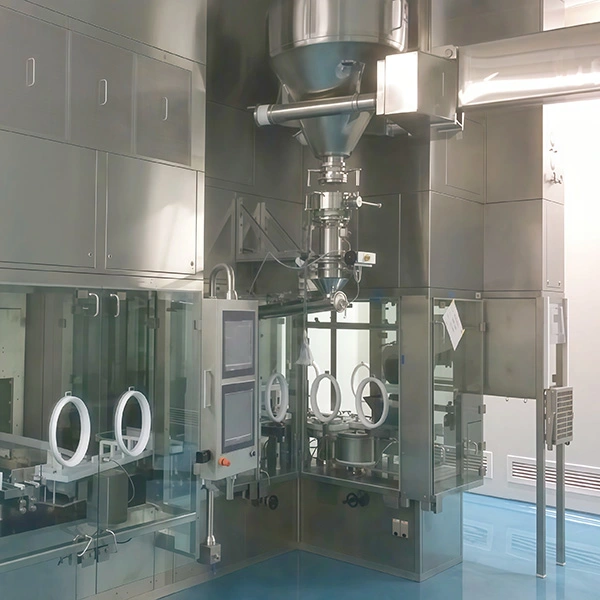
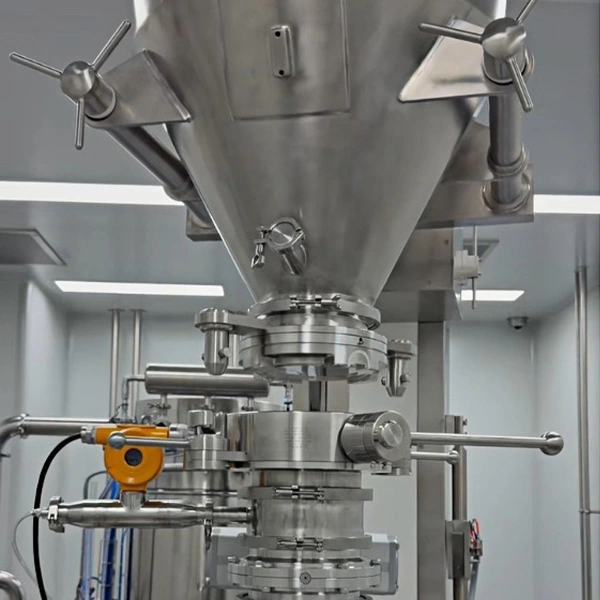
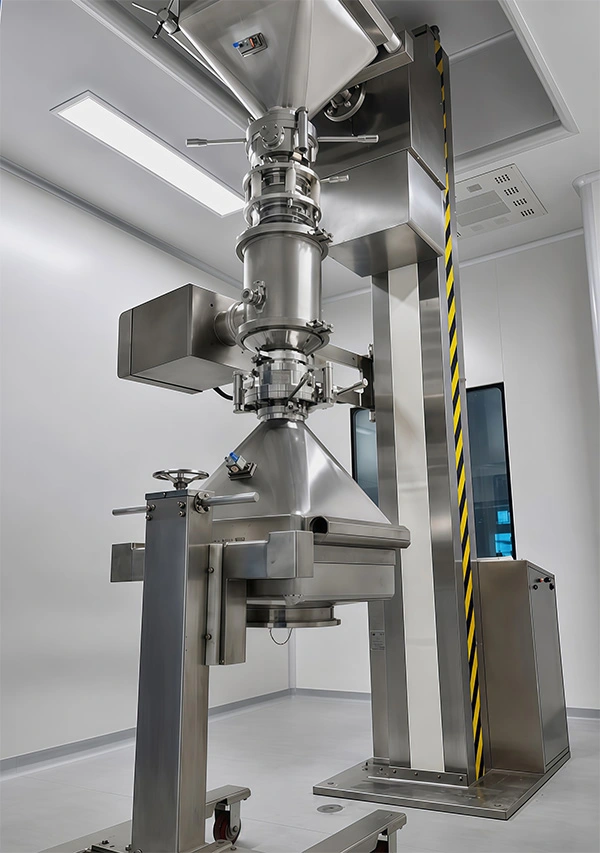
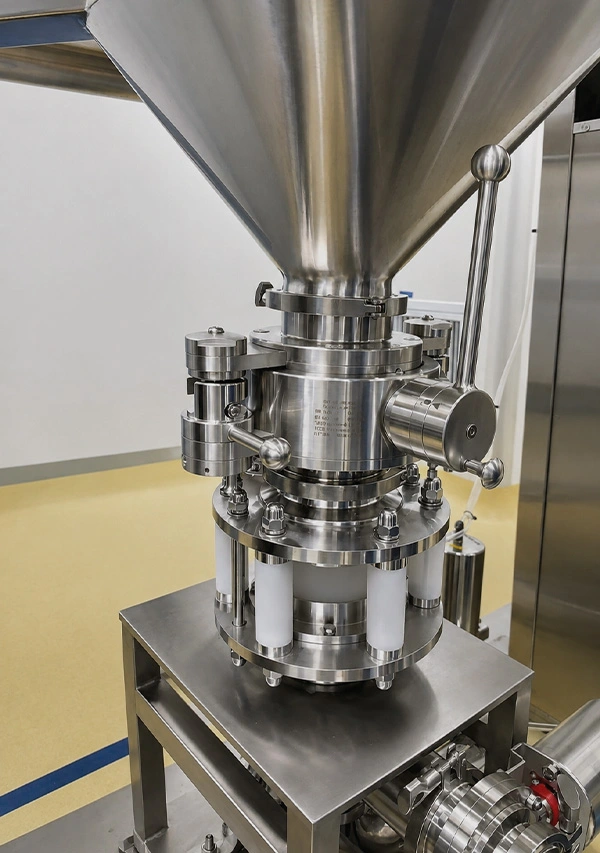
A German biopharmaceutical CDMO specializing in highly active antitumor drugs was using conventional split butterfly valves without integrated CIP/SIP functionality. Each batch changeover required valve disassembly and offline cleaning and sterilization, resulting in approximately 90 minutes of downtime. Powder residue also created cross-contamination concerns and increased the workload for cleaning validation.
In 2025, the company purchased AVM GMP High Containment Manual Split Butterfly Valve units in bulk to modify reactor and isolator delivery pipelines. The new configuration incorporated in-situ cleaning and sterilization into the existing process layout, reducing the need for manual valve removal during batch changeover.
After 12 months of continuous production, the equipment was reported to be operating stably. Batch changeover downtime was reduced from 90 minutes to 25 minutes, while production capacity increased by 32%. The project reported zero material residue and zero defective batches caused by cross-contamination.
Manual valve disassembly was eliminated from the routine changeover process, reducing direct personnel intervention during pharmaceutical handling. The cleaning validation cycle was shortened by 70%, and the modified production system successfully passed the EU GMP re-inspection.
The customer also reported that the integrated cleaning and sterilization design reduced the modification work required for the production line. AVM supplied supporting validation documentation and technical services for the equipment integration and compliance process.
| Parameter | Specification |
| Size | DN50 (2"), DN100 (4"), DN100 (5"), DN125 (6"), DN150 (8"), DN200 (10") |
| Containment Performance | OEB 4 without extraction; OEB 5 with extraction |
| Operation | Manual operation; pneumatic actuator; automated actuator with required equipment |
| Cleaning System | WIP (Wash in Place); SIP (Steam in Place); autoclave or sterilization at rated temperature |
| Materials | Contact parts: SS316L; non-contact parts: SS304 |
| Elastomers & Seals | EPDM, Silicone, Viton (FKM), with FDA CFR 21-compliant options |
| Surface Roughness | Internal contact parts: Ra ≤ 0.4 μm; external parts: Ra ≤ 0.8 μm |
| End Connections | Tri-Clamp connection according to DIN, BS, 3-A, and JIS standards |
| Accessories | Active cleaning cap; active plug; passive valve protector; compensator; POM passive valve; single-use beta bag |
| Quality & Compliance | ISO 9001, CE, FDA-related material compliance options |
Yes. The GMP High Containment Manual Split Butterfly Valve incorporates dedicated CIP/SIP channels that allow cleaning and sterilization to be performed while the valve remains installed. The actual cleaning and sterilization cycle should be established and validated according to the customer's process requirements.
The supplied specification supports saturated steam sterilization up to 135°C. The actual allowable temperature and exposure time depend on the selected valve materials, elastomers, configuration, and validated operating conditions.
The purpose of the integrated CIP system is to support in-situ cleaning without routine disassembly. However, periodic inspection, seal replacement, or maintenance may still require access to the valve according to the customer's maintenance schedule.
Yes. The valve can be considered for existing reactor, dryer, isolator, and powder transfer systems. Before replacement, the pipeline dimensions, connection standard, installation space, cleaning connections, operating method, and containment requirements should be reviewed.
EPDM, silicone, and Viton (FKM) are available. The appropriate material depends on the product, cleaning media, temperature, sterilization cycle, and required regulatory compliance. FDA CFR 21-compliant options can be specified for applicable pharmaceutical applications.
Yes. Although the product is designed as a manual configuration, pneumatic and automated actuator options are available. With suitable control components, the valve can be integrated into PLC, DCS, or SCADA systems for remote operation, position feedback, and process interlocking.
AVM can provide relevant material certificates, test reports, and validation documentation according to the project requirements. The specific documentation package should be confirmed during technical specification and quotation.
Address
No. 373 Oufan Road, Dongtou District, Wenzhou City, Zhejiang Province, China
Tel