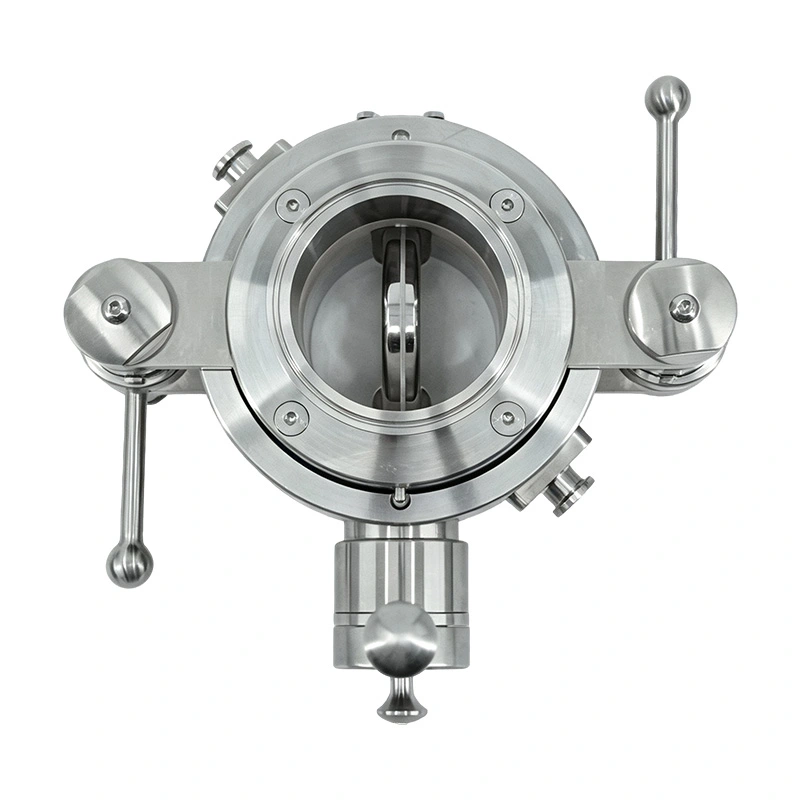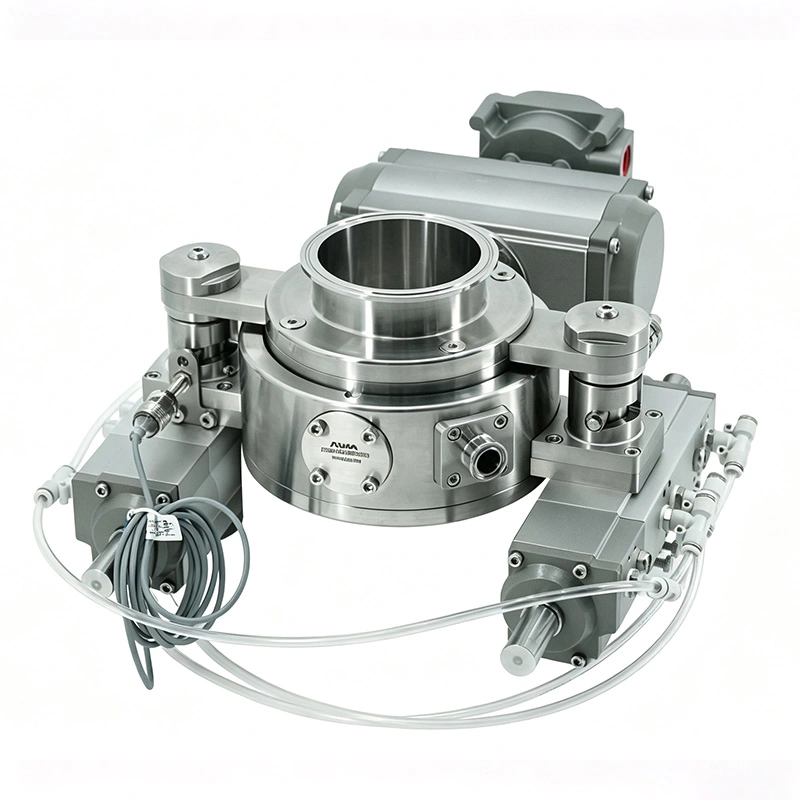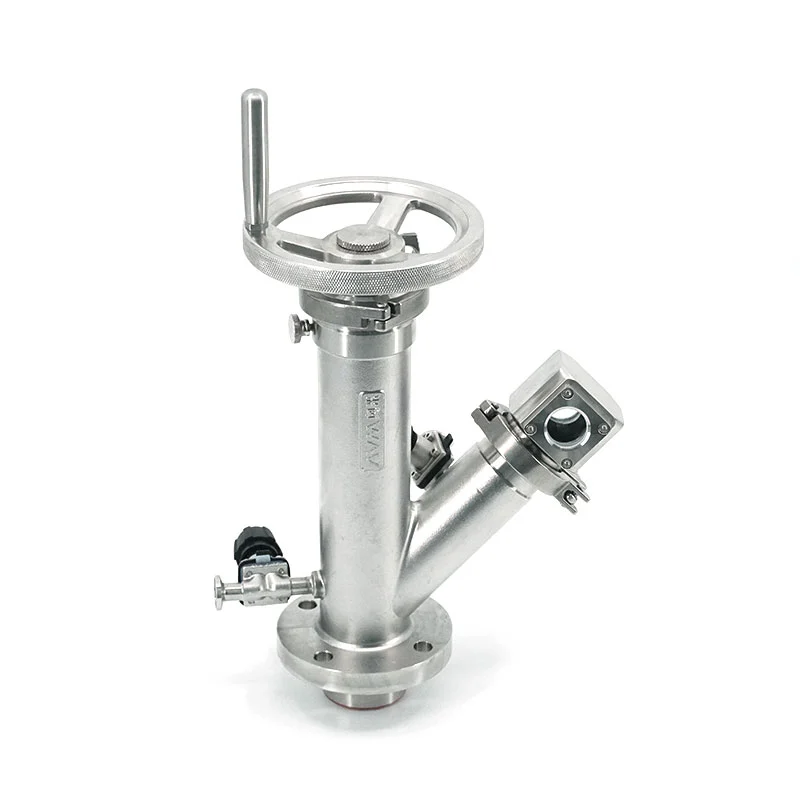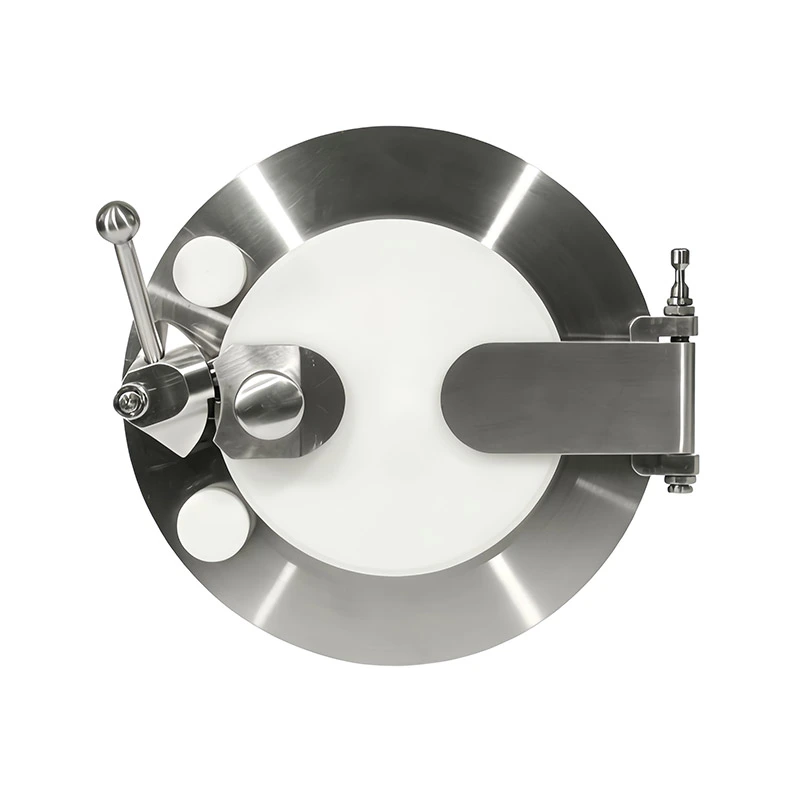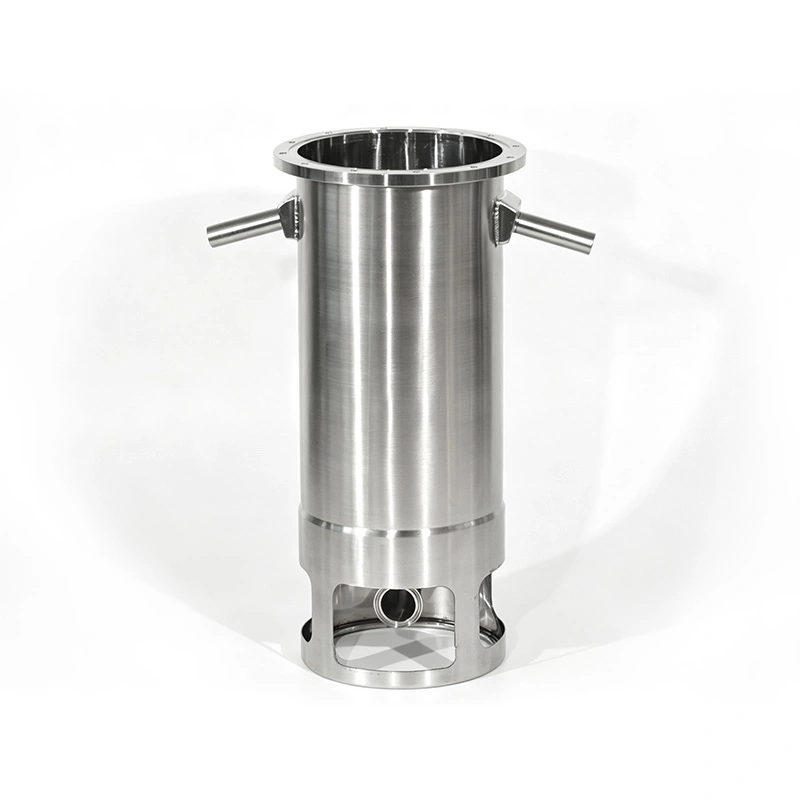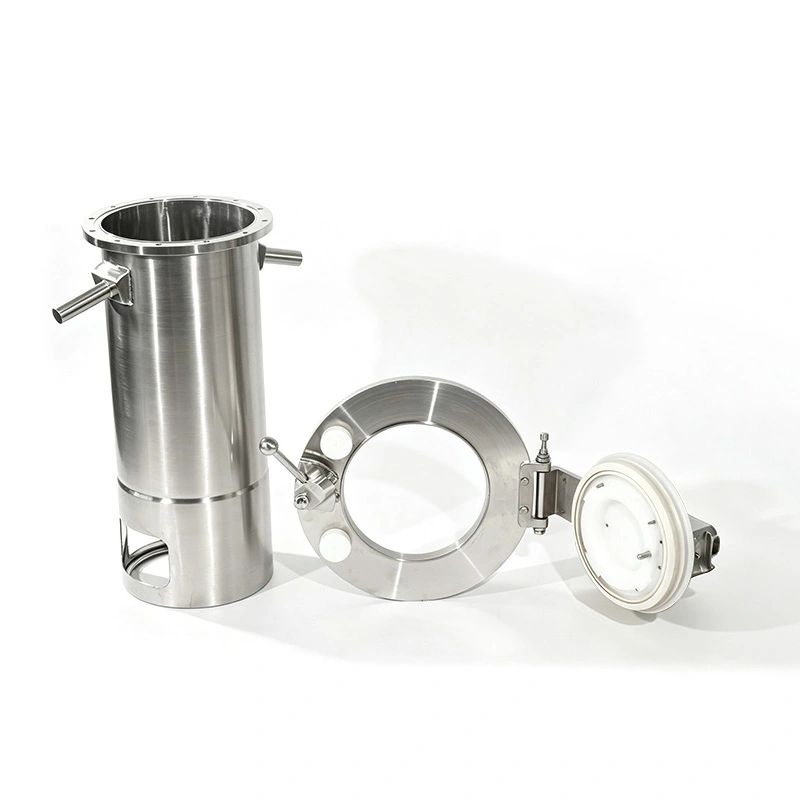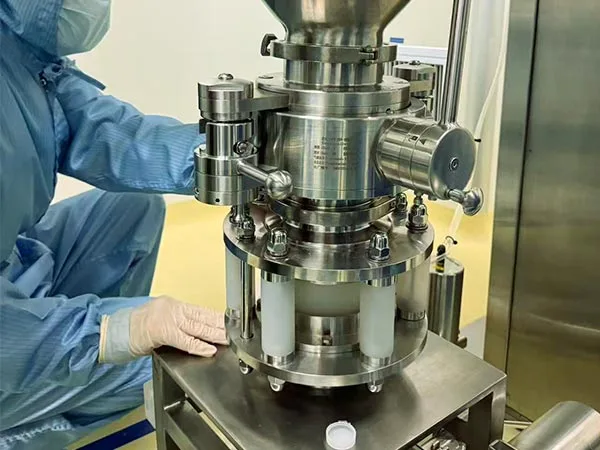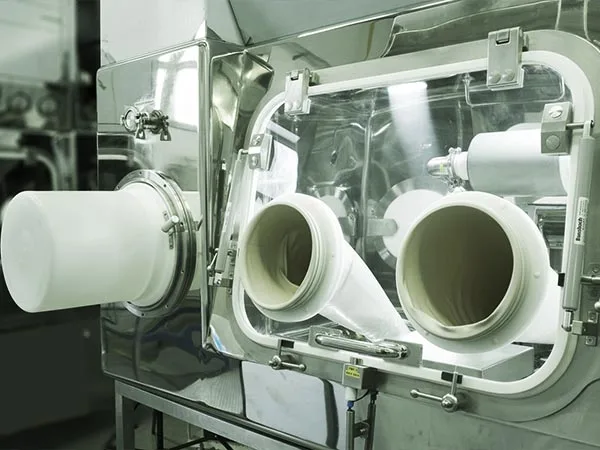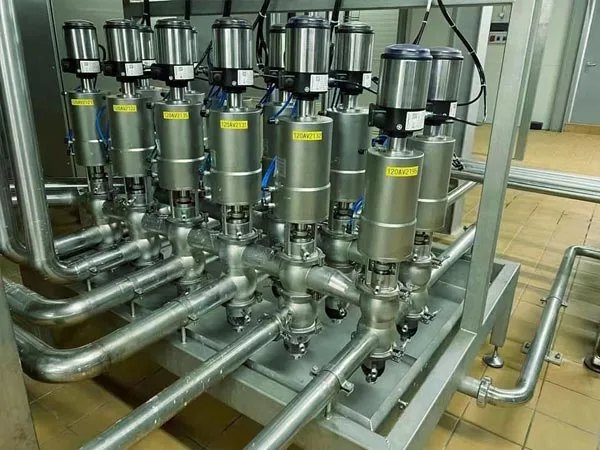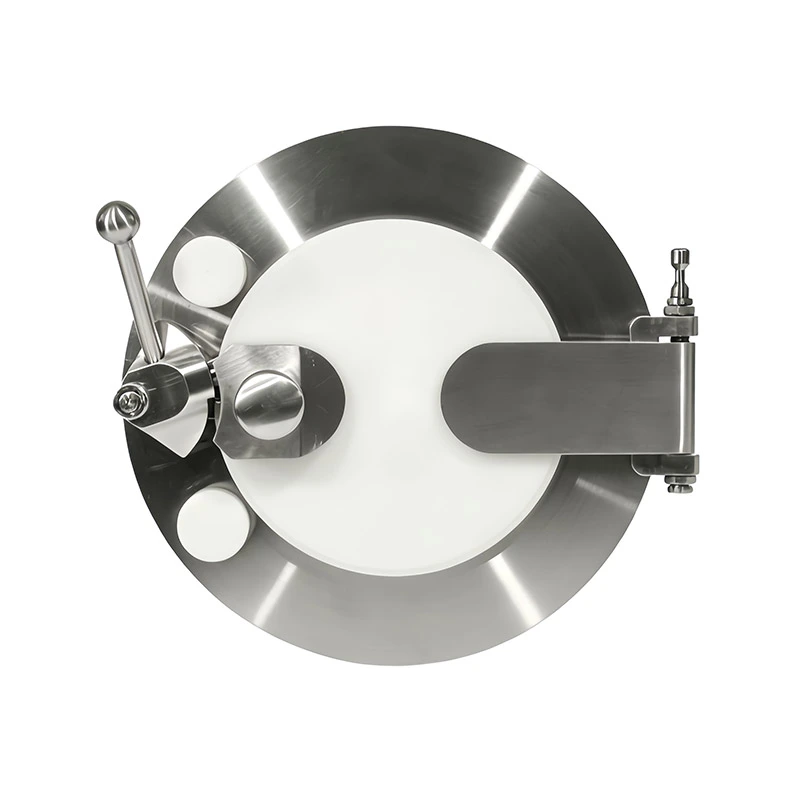
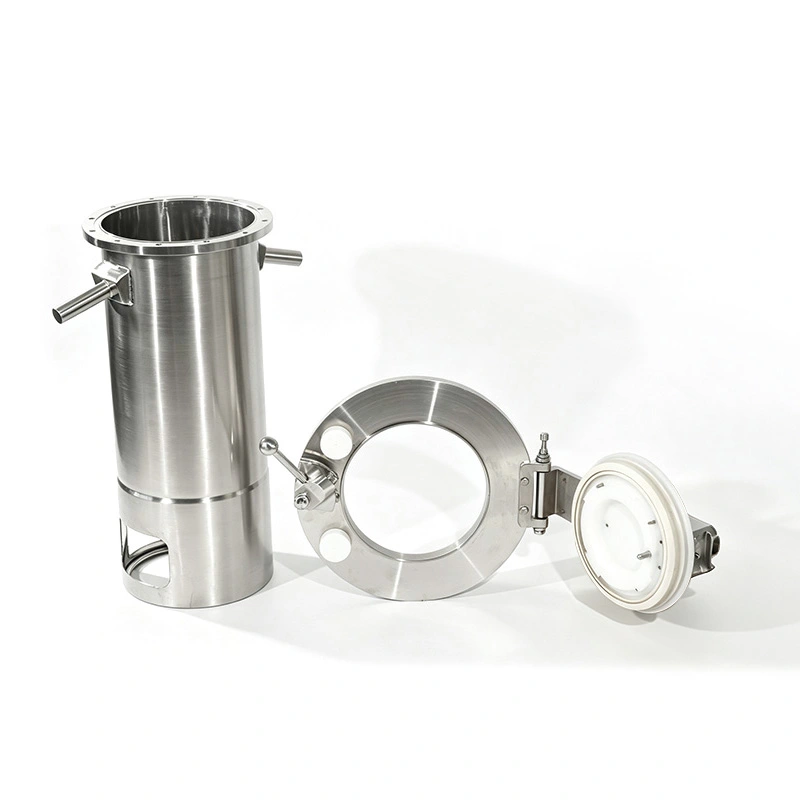
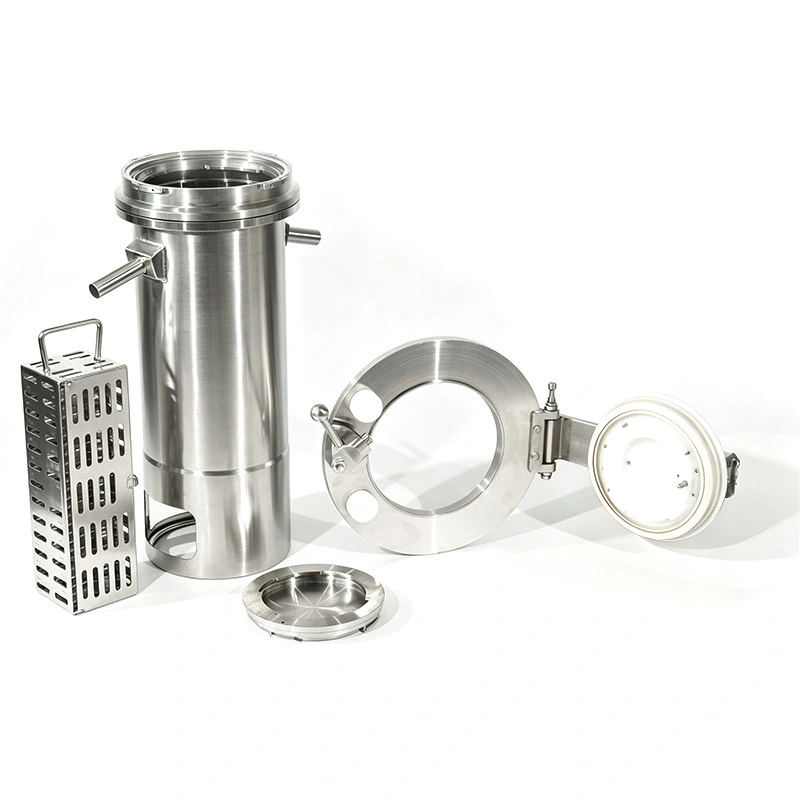
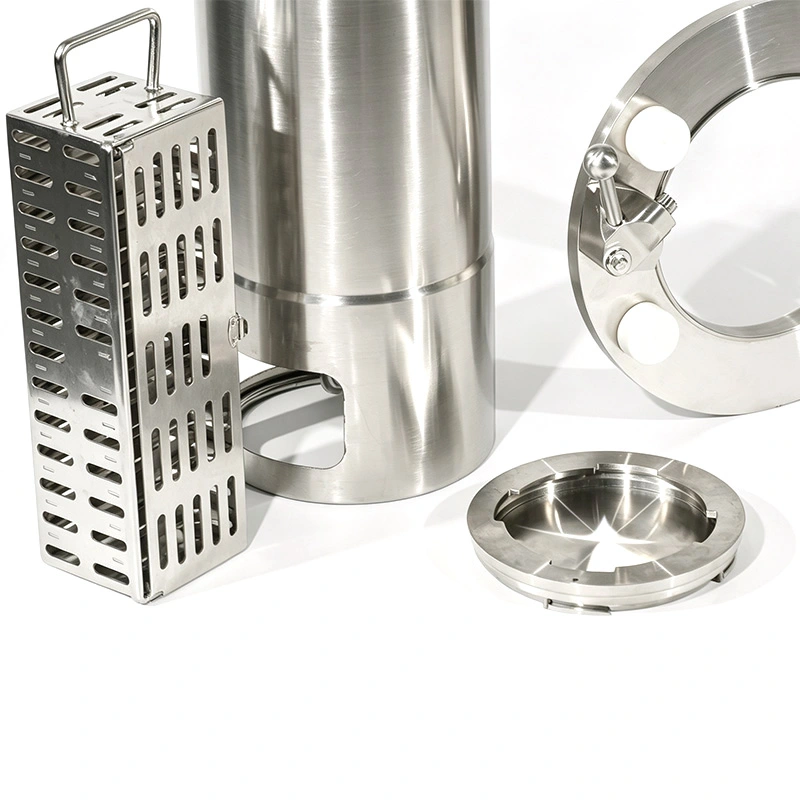
AVM Sterile Alpha-Beta RTP System for Contained Transfer is designed for controlled material transfer between isolators, glove boxes, Restricted Access Barrier Systems (RABS), and other contained processing equipment. The system uses a mechanical Alpha-Beta docking interface to establish a controlled connection before the transfer doors can be operated, helping maintain separation between the internal process area and the surrounding environment.
The Sterile Alpha-Beta RTP System for Contained Transfer is suitable for sterile processing, high-potency pharmaceutical production, biotechnology applications, and cleanroom material handling. Stainless steel construction, defined sealing surfaces, and a mechanical interlock mechanism support repeated transfer operations while reducing the need for direct operator contact with the transferred material.
AVM provides RTP configurations for different equipment interfaces and transfer requirements. The system uses 316L stainless steel for product-contact parts, with FKM and silicone sealing options. Manufacturing is supported by an ISO 9001 quality system, with CE, FDA-related, and 3-A sanitary compliance available according to the selected configuration.
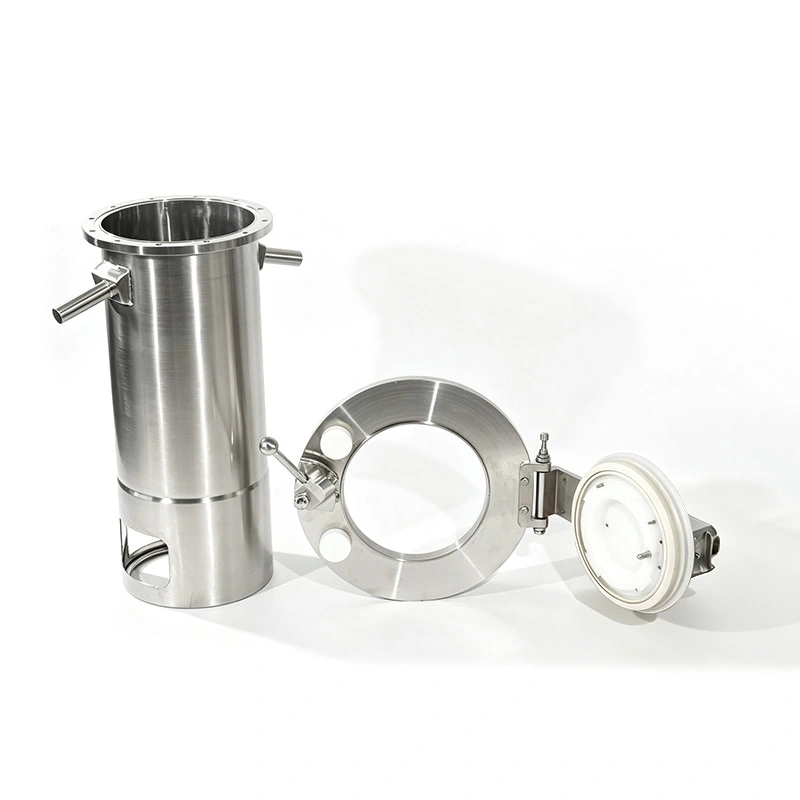
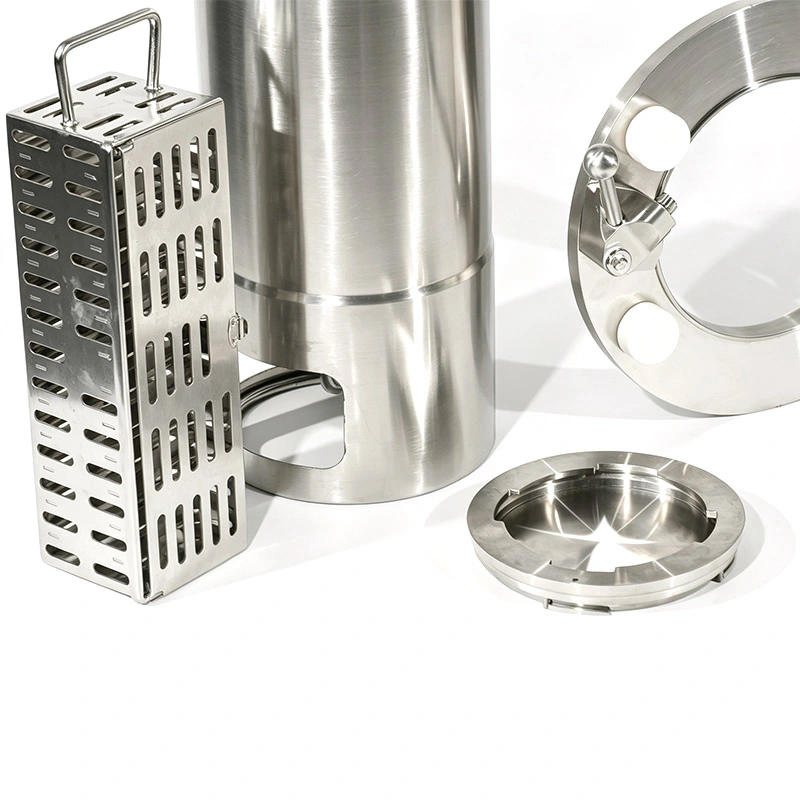
The Beta container is positioned against the Alpha port installed on the isolator, glove box, RABS, or other containment equipment. The docking structure guides the two components into the required position before the transfer sequence begins.
Once the Alpha and Beta components are correctly engaged, the mechanical locking mechanism secures the connection. The interlock prevents the transfer doors from being operated when the docking condition has not been properly established.
After successful docking, the Alpha and Beta doors operate as a coupled barrier. This allows material to pass through the transfer opening while maintaining separation between the contained process area and the external environment.
After the material has been transferred, both doors must return to the closed position before the docking mechanism can be released. The Beta container can then be separated from the Alpha port without leaving the transfer opening exposed.
The Sterile Alpha-Beta RTP System for Contained Transfer can be used to transfer raw materials, components, tools, samples, and other items between classified production areas. The controlled docking interface helps maintain the required separation during material movement.
For HPAPI and other high-potency materials, the RTP interface provides a contained transfer barrier between the process equipment and external environment. The complete containment performance depends on the overall equipment design and validated process.
The system can be integrated into biotechnology processing areas where controlled transfer of production materials, components, and equipment is required between clean or contained environments.
The RTP system supports controlled movement of consumables, tools, samples, and production components between different cleanroom classifications or containment zones without relying on an open transfer procedure.
The Alpha port can be installed on isolator walls or other suitable containment interfaces. The connection design can be coordinated with the isolator structure, glove configuration, and internal transfer requirements.
For RABS applications, the RTP system provides a defined transfer interface for bringing materials and components into or out of the controlled production area. Installation dimensions should be confirmed according to the RABS design.
The system can also be configured for glove box applications where materials need to pass through a controlled barrier without opening the main enclosure to the surrounding environment.
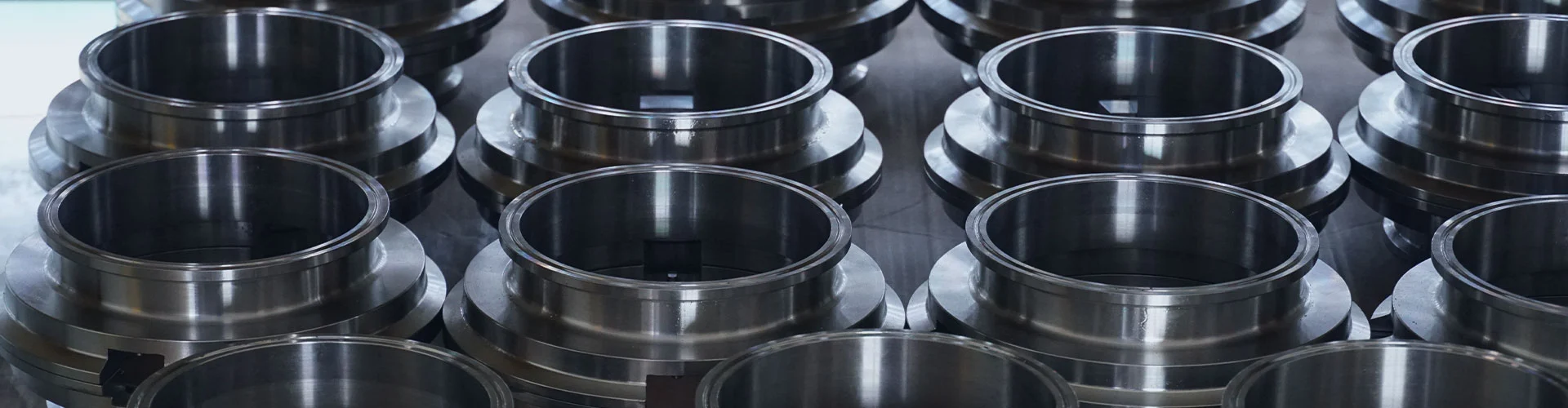
Product-contact parts are manufactured from 316L stainless steel. This material is commonly selected for pharmaceutical and hygienic equipment because of its corrosion resistance, cleanability, and suitability for controlled processing environments.
304 stainless steel can be used for applicable non-contact components. POM is also available for selected structural components where the material requirements of the application permit its use.
FKM and silicone rubber are available for sealing applications. FDA 21 CFR 177.2600-compliant sealing materials can be specified according to the project requirements. Seal selection should consider the product, cleaning method, temperature, and sterilization conditions.
Product-contact surfaces can achieve Ra ≤ 0.4 μm, while non-contact surfaces can achieve Ra ≤ 0.8 μm. The surface specification supports cleaning procedures and helps limit areas where particles or material may accumulate.
The transfer interface is designed to reduce unnecessary gaps and material accumulation areas around the product-contact surfaces. This supports cleaning and inspection during routine operation and batch changeover.
The docking and sealing components can be inspected as part of routine equipment maintenance. Regular checks should focus on seal condition, locking components, contact surfaces, and the mechanical movement of the transfer doors.
Smooth stainless steel surfaces simplify routine cleaning of the exposed transfer components. The cleaning procedure should be established according to the material being transferred and the requirements of the production area.
Sealing components should be inspected periodically for wear, deformation, surface damage, or loss of elasticity. Replacement intervals depend on transfer frequency, cleaning conditions, sterilization cycles, and operating environment.
For GMP-regulated facilities, installation, cleaning, and operational procedures can be incorporated into the customer's validation documentation. The required documentation package should be confirmed according to the facility's quality system and regulatory requirements.
DN105 is available for applications where a smaller transfer opening is sufficient for the material, tools, or components being transferred. Final selection should be based on the largest item that must pass through the RTP interface.
DN190 and DN270 provide larger transfer openings for applications involving larger containers, components, or more frequent material movement. The available installation space and equipment interface should be checked before selection.
DN350 and DN460 are intended for larger transfer requirements where the process requires a wider opening. These configurations can be considered for larger components, equipment parts, or production material transfer.
| Item | Specification |
| Product Name | Sterile Alpha-Beta RTP System |
| Material | 316L Stainless Steel / 304 Stainless Steel / POM |
| Seal Material | FKM, Silicone Rubber |
| FDA Compliance | FDA 21 CFR 177.2600 |
| Product Contact Surface | Ra ≤ 0.4 μm |
| Non-Contact Surface | Ra ≤ 0.8 μm |
| Available Sizes | DN105 / DN190 / DN270 / DN350 / DN460 |
| Application | Isolators, RABS, Glove Boxes, Cleanrooms |
| Transfer Type | Sterile and Contained Transfer |
| Quality & Compliance | ISO 9001, CE, FDA-related compliance, 3-A sanitary standards according to selected configuration |
Open transfer methods can expose materials and process areas to the surrounding environment. A sterile Alpha-Beta RTP system creates a defined mechanical transfer interface, allowing material to move between connected equipment without opening the main containment enclosure directly to the outside.
For pharmaceutical and biotechnology facilities, this arrangement can simplify material transfer procedures while providing a repeatable docking and separation sequence. The final containment and sterility performance should be evaluated as part of the complete process system rather than as an isolated component.
Alpha-Beta RTP is a rapid transfer interface consisting of an Alpha port installed on containment equipment and a Beta component attached to a transfer container. A mechanical interlock controls the connection and door-opening sequence so that transfer can occur only after proper docking.
Yes. The Sterile Alpha-Beta RTP System for Contained Transfer is designed for integration with isolators and can also be used with glove boxes, RABS, and other suitable containment equipment. The interface dimensions should be confirmed according to the equipment manufacturer's design.
The mechanical interlock prevents the transfer doors from being opened before the Alpha and Beta components are correctly docked. Before separation, both doors must return to the closed position. This sequence helps prevent incorrect operation during material transfer.
Product-contact components use 316L stainless steel, while 304 stainless steel and POM can be used for selected non-contact components. FKM and silicone rubber are available for seals, including FDA 21 CFR 177.2600-compliant options where required.
The available sizes are DN105, DN190, DN270, DN350, and DN460. Selection should consider the dimensions of the materials or components being transferred, required transfer opening, installation space, and interface dimensions of the connected equipment.
Regular maintenance should include inspection of sealing surfaces, door movement, mechanical locking components, and product-contact surfaces. The inspection frequency should be determined by transfer cycles, cleaning procedures, sterilization conditions, and the customer's maintenance plan.
AVM supports pharmaceutical projects with relevant quality and compliance documentation according to the selected configuration. ISO 9001, CE, FDA-related material compliance, and 3-A sanitary requirements can be addressed according to the project specification.
Address
No. 373 Oufan Road, Dongtou District, Wenzhou City, Zhejiang Province, China
Tel