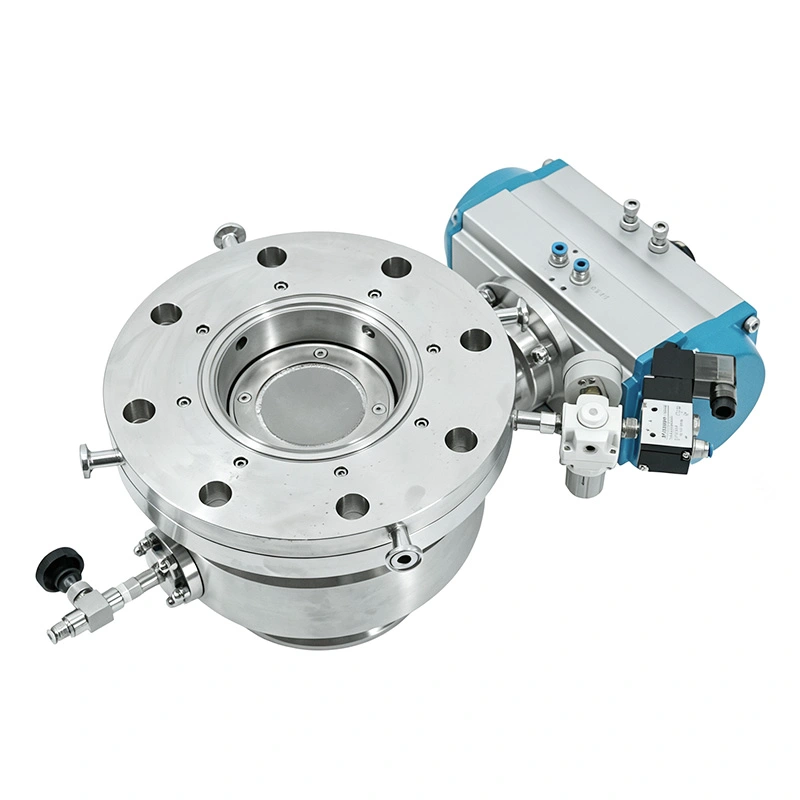

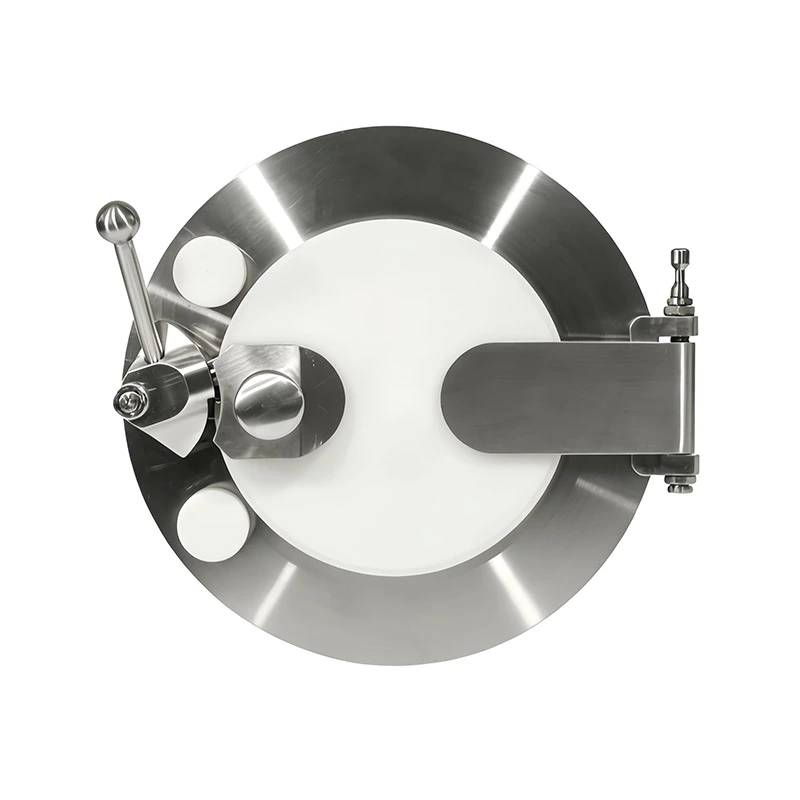
Material transfer is one of the critical steps in pharmaceutical and biotechnology production. Moving materials between an isolated processing area and the surrounding environment can create risks of contamination, exposure, or loss of containment if the transfer method is not properly designed. An Aseptic High Containment Alpha Port RTP provides a controlled interface for transferring materials through an isolation barrier while maintaining the separation between the internal and external environments.
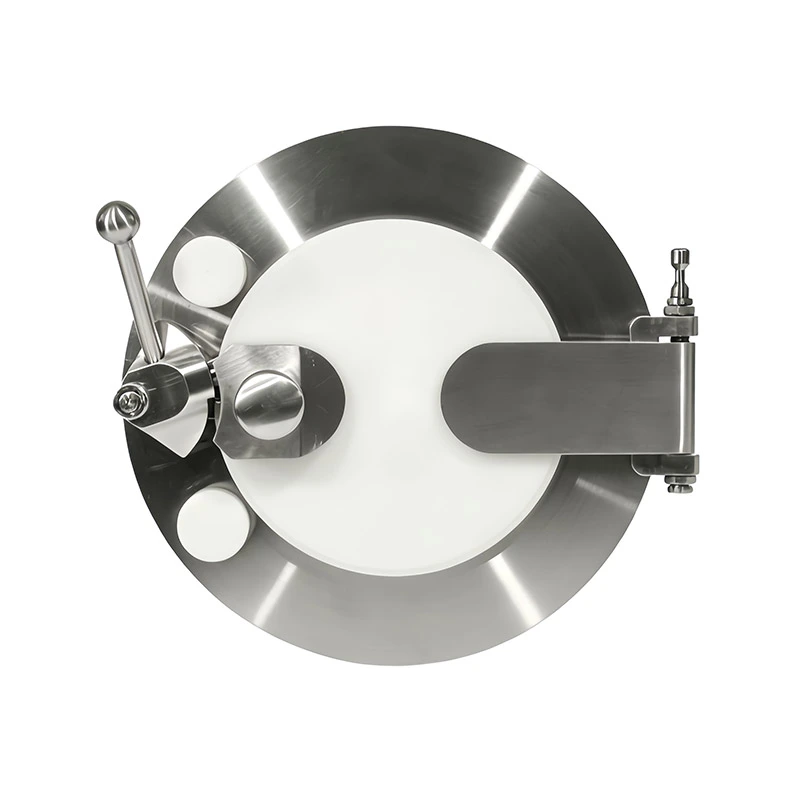
The system is based on an Alpha-Beta rapid transfer concept. The Alpha Port is normally integrated into the wall of an isolator, RABS, containment system, or other controlled processing enclosure, while a compatible Beta component provides the transfer interface. When the two sides are correctly connected, materials can be transferred through the closed interface without directly exposing the controlled process environment. AVM provides rapid transfer solutions for pharmaceutical, biotechnology, high-containment, and other critical processing applications.
In aseptic processing, materials entering an isolator or other controlled area must not compromise the cleanliness of the process environment. Conventional transfer methods can introduce additional handling steps and increase the possibility of contamination.
An RTP provides a defined transfer interface between the controlled area and the external environment. The Alpha and Beta components are connected before the transfer doors are opened, helping maintain separation during the transfer process.
High-containment applications may involve active pharmaceutical ingredients, toxic materials, potent compounds, or other substances that require controlled handling. In these situations, the transfer system must protect both the product and the surrounding environment.
The Alpha-Beta configuration creates a closed transfer path in which the two components are securely connected before the internal doors are opened. This principle can help reduce the risk of uncontrolled exposure during material movement.
Pharmaceutical manufacturing and laboratory processes often require materials to move in and out of an isolator repeatedly. A rapid transfer port can provide a repeatable docking and transfer procedure rather than requiring operators to repeatedly open the main isolation barrier.
This can be particularly useful for routine transfer of components, tools, raw materials, containers, samples, or waste.
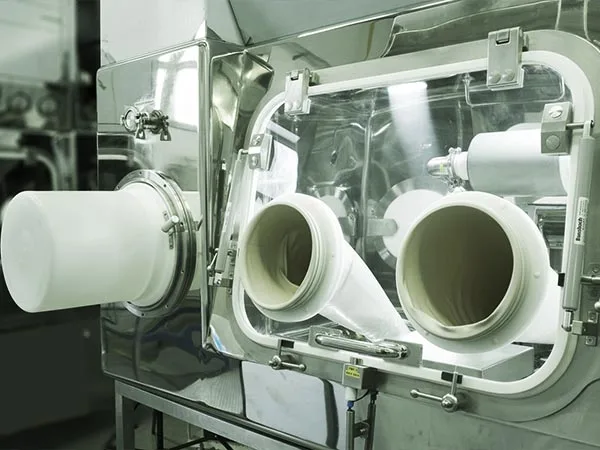
The Alpha Port is integrated into the wall or barrier of the controlled processing system. Depending on the application, it can be incorporated into an isolator, RABS, containment enclosure, glovebox, or other suitable barrier system.
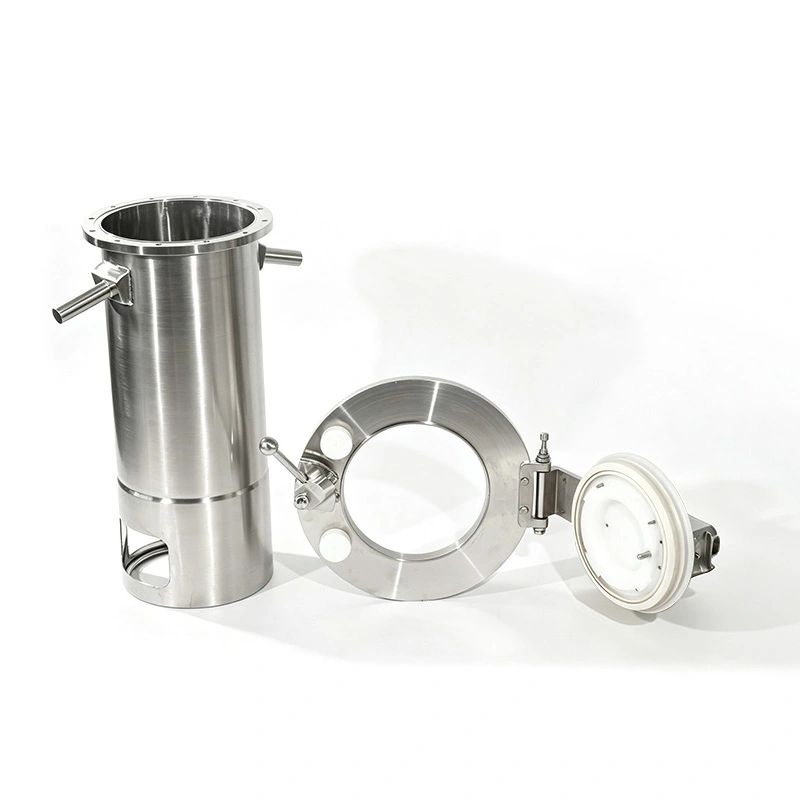
The Alpha side provides the fixed transfer interface, while the corresponding Beta component is attached to a container, bag, process component, or other transfer device.
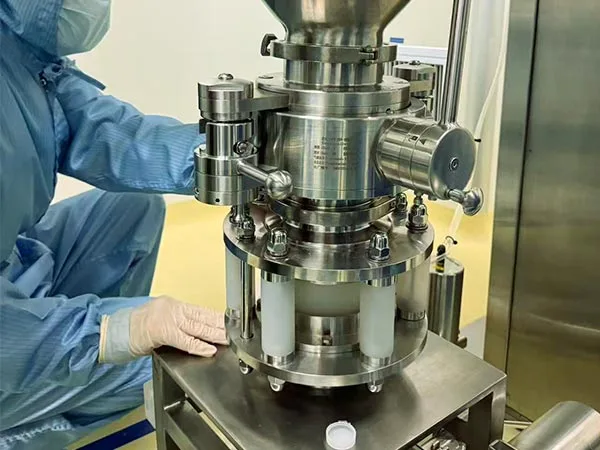
Before material transfer begins, the Beta component is aligned and connected with the Alpha Port. Correct docking is important because the sealing and interlocking functions depend on the two components being properly positioned.
The exact docking procedure depends on the selected RTP configuration and should always follow the manufacturer's operating instructions.
After successful docking, the Alpha and Beta components form a controlled transfer interface. The doors can then be operated according to the defined transfer procedure.
The double-door principle helps separate the internal and external surfaces and reduces direct exposure of the controlled environment during material transfer.
Once the material transfer is complete, the doors are closed before the Beta component is disconnected. The interlocking mechanism is designed to help prevent incorrect operating sequences that could compromise containment or aseptic conditions.
Pharmaceutical production environments require controlled transfer of raw materials, components, tools, samples, and finished or intermediate products. An RTP can provide a dedicated transfer point for moving these materials through an isolator or containment barrier.
For aseptic manufacturing, the transfer system should be integrated with the overall contamination-control strategy and validated according to the requirements of the specific process.
High-potency compounds require careful containment because accidental exposure can create risks for operators and the surrounding production environment. A high-containment transfer interface can provide a controlled method for moving materials between process equipment and external handling areas.
The appropriate containment level, sealing configuration, cleaning procedure, and validation strategy should be determined according to the characteristics of the material and the process.
Biotechnology processes may require controlled movement of components, containers, samples, and process materials between isolated areas. An Alpha Port RTP can be integrated into suitable containment equipment to support repeated material transfer while minimizing unnecessary opening of the primary barrier.
Sterile production requires careful control of materials entering and leaving critical processing areas. RTP technology can be used as part of an integrated transfer strategy for components and materials used within sterile processing environments.
Research facilities working with potent, sensitive, or contamination-sensitive materials may also require controlled transfer interfaces. An Alpha Port can provide a defined connection between the laboratory containment system and a compatible transfer container.
The docking process establishes a defined connection between the Alpha and Beta components before the transfer doors are opened. This reduces the need for operators to directly expose the transfer interface to the controlled environment.
Interlocking is an important part of an RTP because incorrect opening or disconnection could compromise the transfer barrier. The interlock mechanism is designed to restrict certain operations unless the Alpha and Beta components are in the correct state.
For example, the operating sequence can be designed so that the Alpha door cannot be opened before the Beta component is correctly docked, while the Beta component cannot be removed while the transfer doors are open.
The Alpha and Beta components use sealing elements to establish the transfer interface. Seal material and design should be selected according to the process conditions, cleaning requirements, temperature, chemicals, and required containment performance.
| Material Type | Potential Application |
|---|---|
| Pharmaceutical Components | Transfer of stoppers, containers, tools, and production components |
| Raw Materials | Controlled introduction of process materials into isolated areas |
| Active Ingredients | Contained handling of potent or high-value materials |
| Laboratory Samples | Movement of samples between controlled environments |
| Production Tools | Transfer of equipment and tools into or out of isolators |
| Waste | Controlled removal of process waste from containment areas |
| Single-Use Components | Transfer of disposable bags, assemblies, and process components |
| Selection Factor | What Buyers Should Evaluate |
|---|---|
| Port Diameter | Select according to the size of the materials and transfer containers |
| Containment Requirement | Define the required containment level according to the process |
| Aseptic Requirement | Determine the required sterility and contamination-control strategy |
| Material | Evaluate stainless steel, polymer, seal, and product-contact material requirements |
| Seal Material | Check compatibility with cleaning agents, process materials, and temperature |
| Surface Finish | Consider cleanability and product-contact requirements |
| Door Configuration | Confirm the required door structure and operating method |
| Interlock | Confirm the required mechanical safety functions |
| Beta Compatibility | Ensure the Alpha Port matches the selected Beta container or transfer device |
| Installation | Check integration requirements for the isolator, RABS, or containment system |
| Cleaning and Sterilization | Confirm compatibility with the facility's cleaning and sterilization procedures |
Before installation, the material transfer route should be clearly defined. The project team should determine what materials enter the isolator, what materials leave the system, how frequently transfers occur, and what type of Beta component will be used.
The Alpha Port should be positioned where operators can safely perform docking and transfer operations without interfering with gloves, equipment, process connections, or other isolator components.
The installation location should also allow sufficient space for cleaning, inspection, maintenance, and connection of the Beta component.
The RTP should not be considered as an isolated component. Its sealing, door mechanism, interlock, and installation interface should be evaluated together with the isolator or containment enclosure.
Before routine production begins, operators should be trained in the complete docking, opening, transfer, closing, and disconnection sequence. The operating procedure should define what happens if the Alpha and Beta components do not dock correctly or if an interlock condition is triggered.
Seals are critical components of the transfer interface and should be inspected according to the maintenance schedule. Signs of wear, cracking, deformation, contamination, or other damage should be evaluated before continued operation.
The interlock should be checked periodically to confirm that the intended operating restrictions remain effective. Any abnormal movement or failure of the interlock should be addressed before the RTP is returned to service.
Product-contact surfaces should be cleaned according to the validated cleaning procedure for the application. The selected cleaning agents and methods should be compatible with the construction materials and seals.
The Alpha and Beta connection surfaces should be checked for contamination, mechanical damage, or abnormal wear. A clean and correctly aligned docking interface is important for consistent transfer performance.
If the Alpha and Beta components are not correctly aligned, the transfer sequence may not proceed as expected. Operators should follow the defined alignment and docking procedure rather than attempting to force the connection.
Worn or damaged sealing components can affect the integrity of the transfer interface. Regular inspection and replacement according to the manufacturer's maintenance requirements can help reduce this risk.
Operators should never attempt to bypass or manually defeat the interlock mechanism. The transfer sequence should be completed in the specified order to maintain the intended containment and aseptic conditions.
The Alpha Port must be paired with a compatible Beta component. Dimensions, connection structure, sealing surfaces, and operating mechanism should all be confirmed before procurement.
AVM provides rapid transfer port solutions for controlled material handling in pharmaceutical, biotechnology, aseptic, and high-containment environments. The Aseptic High Containment Alpha Port RTP can be integrated into suitable isolator and containment systems according to project requirements.
Different processes may require different port diameters, sealing materials, surface finishes, door configurations, and Beta transfer components. These parameters should be selected according to the materials being transferred and the containment or aseptic requirements of the process.
For pharmaceutical and biotechnology projects, the RTP should be evaluated together with the isolator, RABS, cleanroom, transfer container, cleaning system, and operating procedures. AVM supports customers in considering the transfer interface as part of the complete containment and material-handling system.