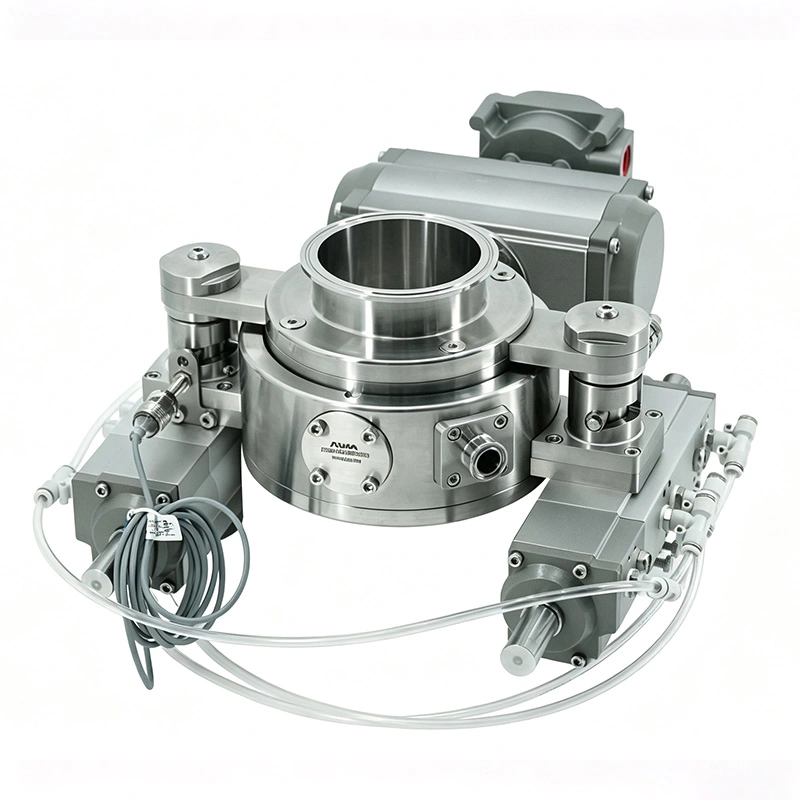
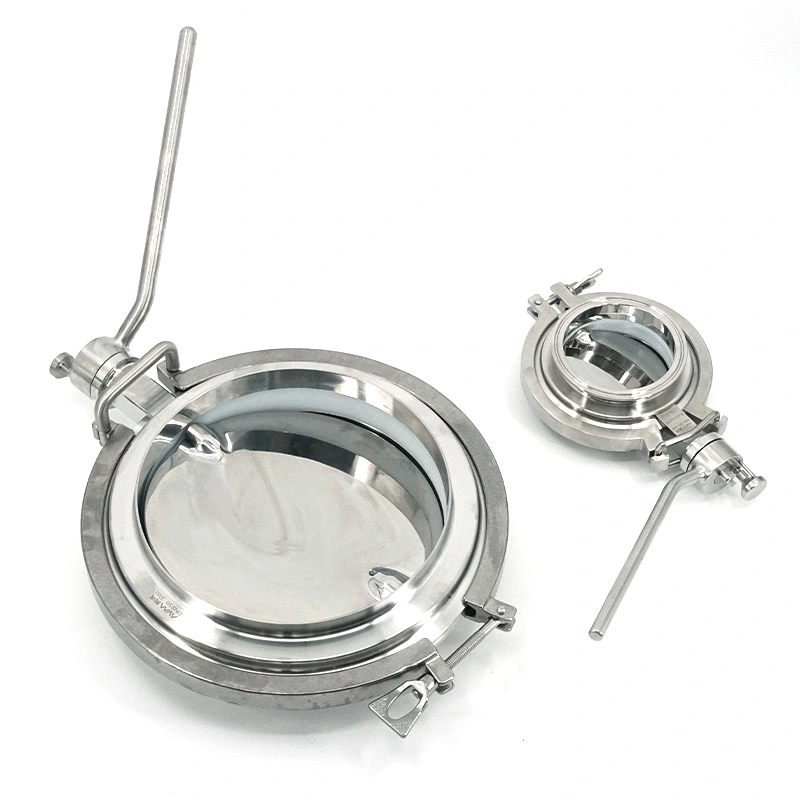
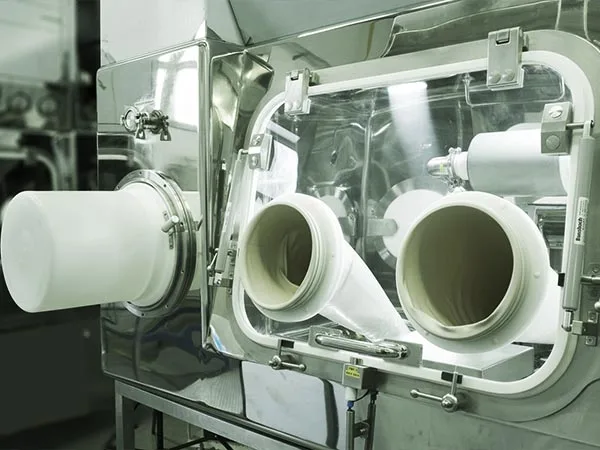
In sterile pharmaceutical and biologic manufacturing, maintaining the integrity of isolators and RABS (Restricted Access Barrier Systems) during material transfer is a key requirement for contamination control. RTP systems (Rapid Transfer Port systems) provide a reliable and standardized solution for transferring components and materials while protecting critical sterile environments.
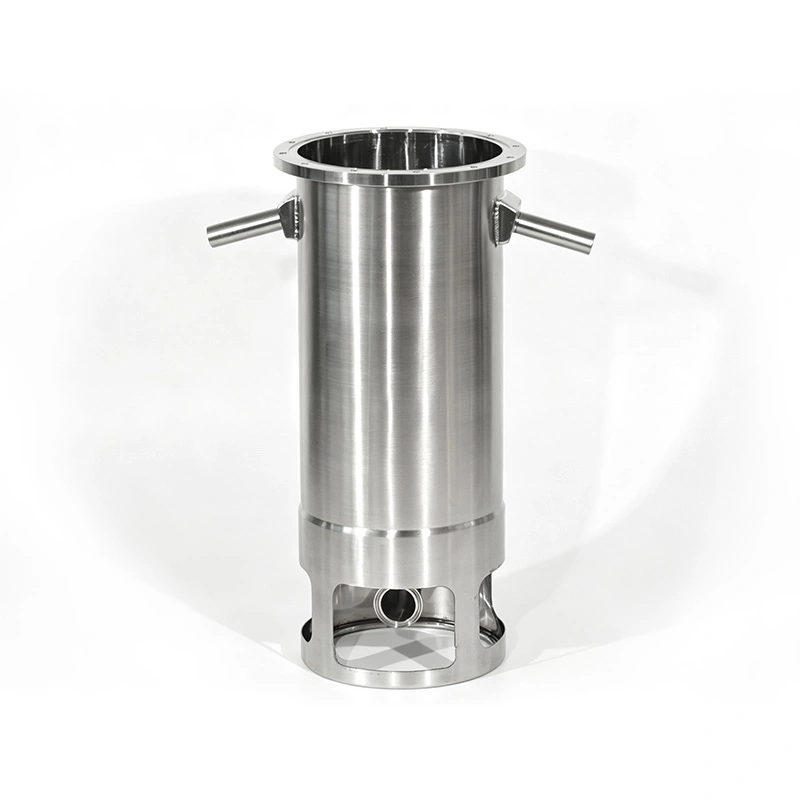
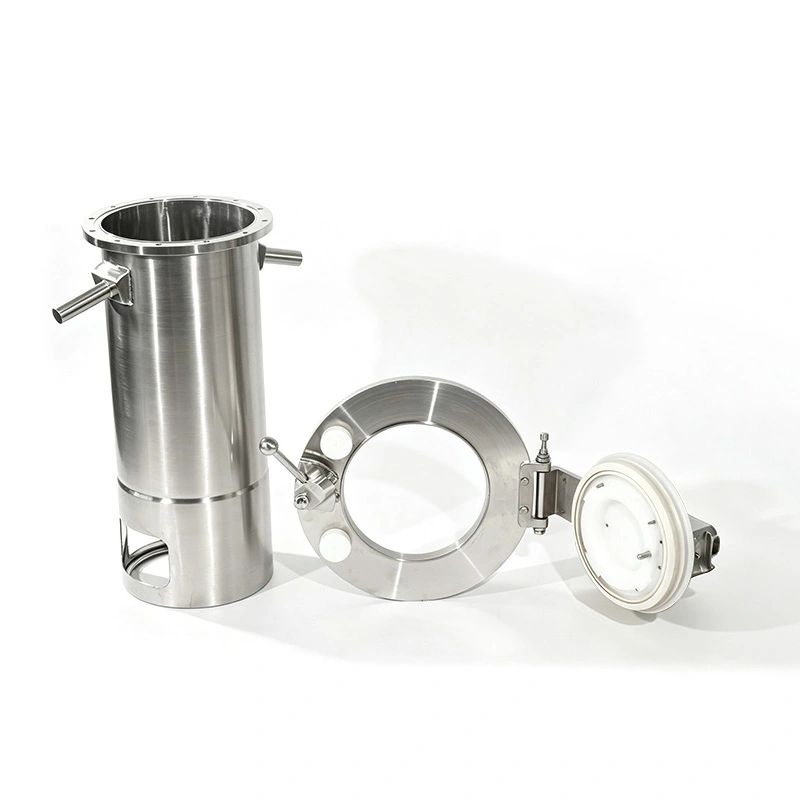
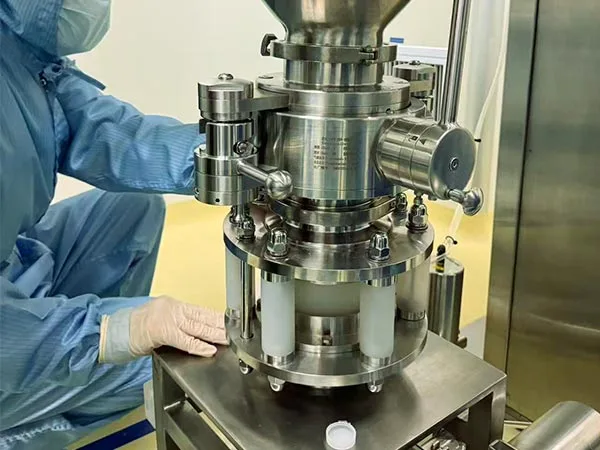
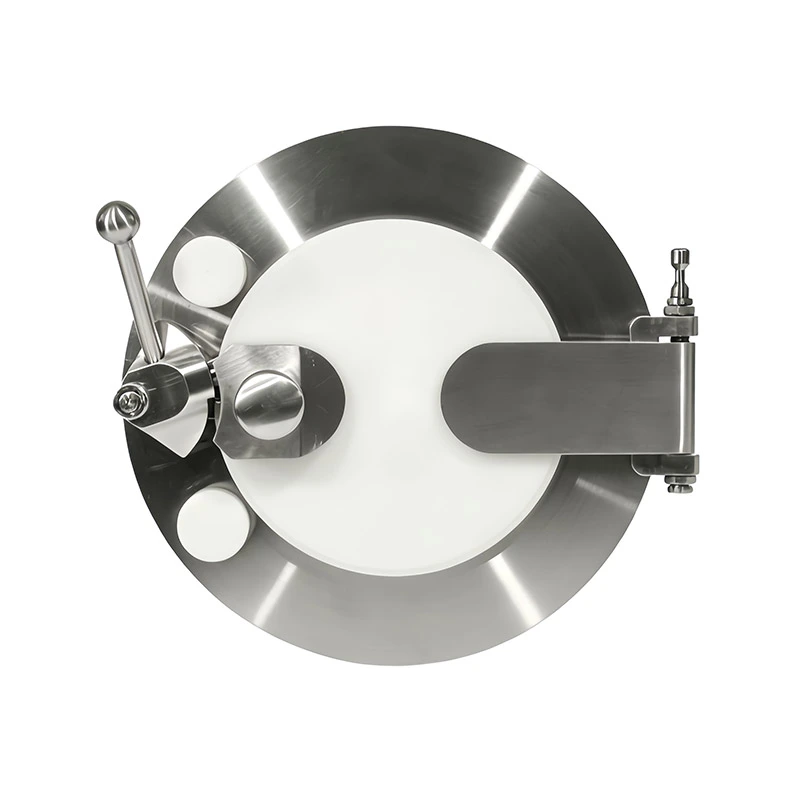
Based on a double-door transfer concept, the system consists of a fixed Alpha Port installed on the isolator wall and a mobile Beta Container or Beta Bag used for material transportation. Transfer operations are only initiated after the Alpha and Beta components are mechanically connected, locked, and fully sealed, ensuring continuous barrier protection throughout the process.
Advanced RTP systems incorporate features such as EasyGlide sealing technology and flush internal surfaces to reduce potential contamination risks caused by gaps or hidden crevices. This optimized design improves sterility assurance, supports efficient cleaning procedures, and helps pharmaceutical manufacturers maintain consistent aseptic processing conditions.
Available in standard 190mm and 270mm diameters, these transfer ports can be configured for different production requirements, from laboratory-scale applications to large-scale manufacturing environments. Integration with automated loading solutions and digital monitoring platforms enables improved process traceability and operational control.
RTP systems are widely used for transferring pre-sterilized stoppers, seals, filling components, and other critical materials in pharmaceutical production. By supporting strict contamination control strategies and aseptic processing requirements, RTP technology helps manufacturers meet the expectations of regulations such as EU-GMP Annex 1 while improving production safety and efficiency.
We use cookies to offer you a better browsing experience, analyze site traffic and personalize content. By using this site, you agree to our use of cookies.Privacy Policy