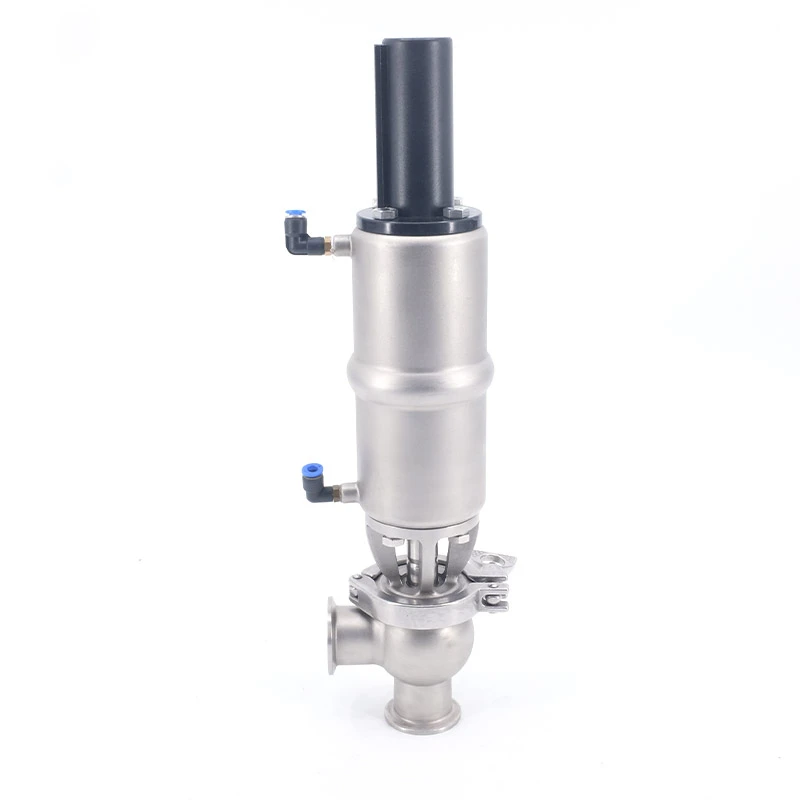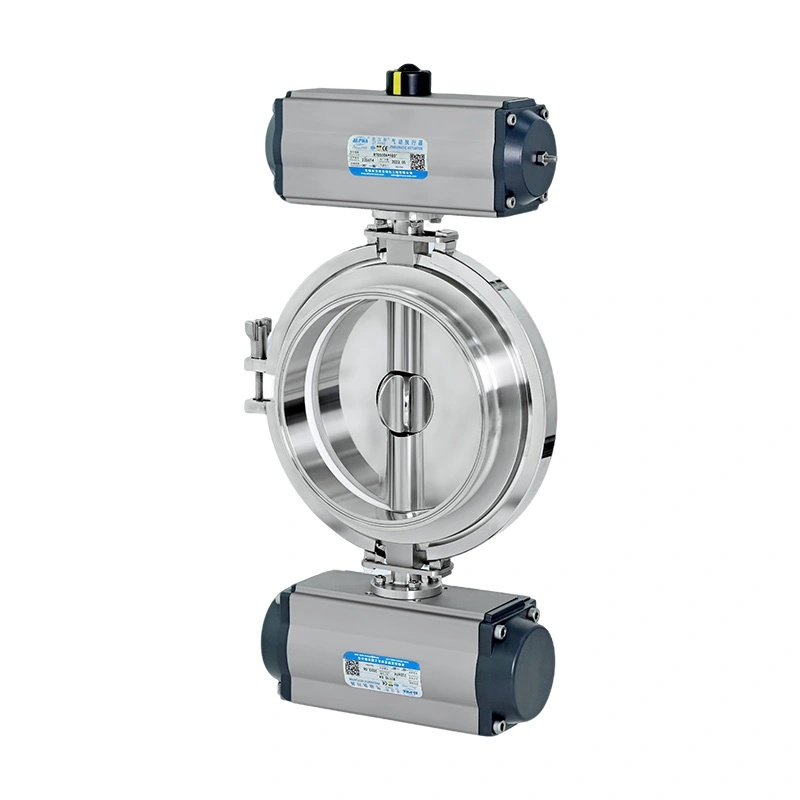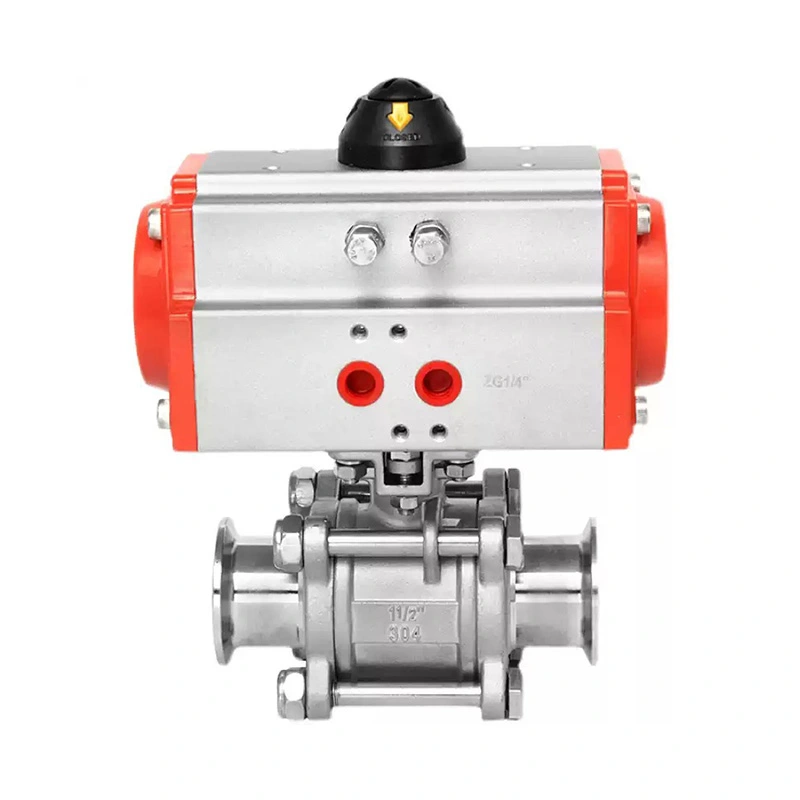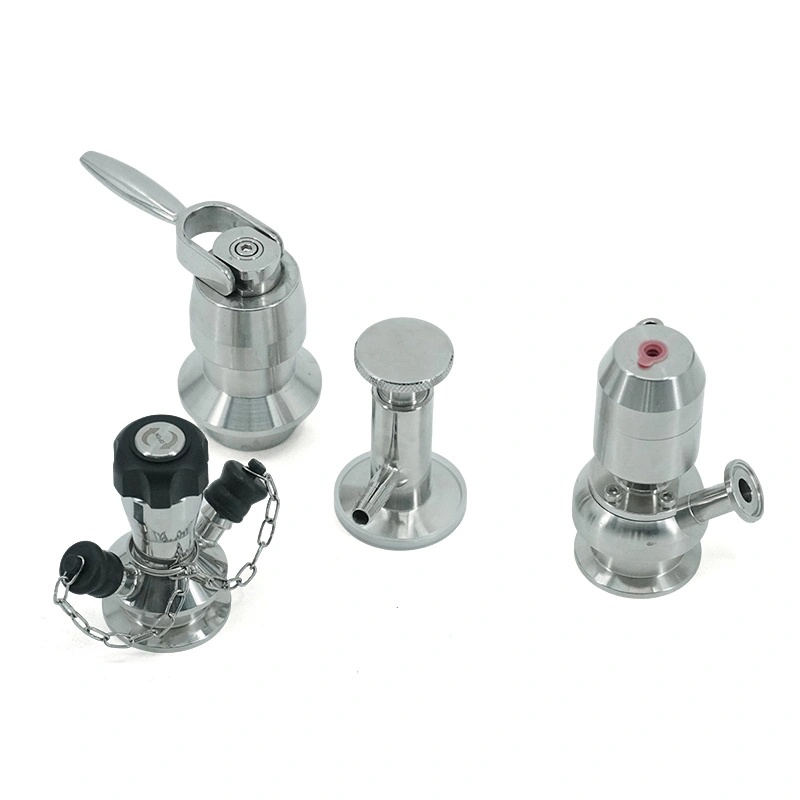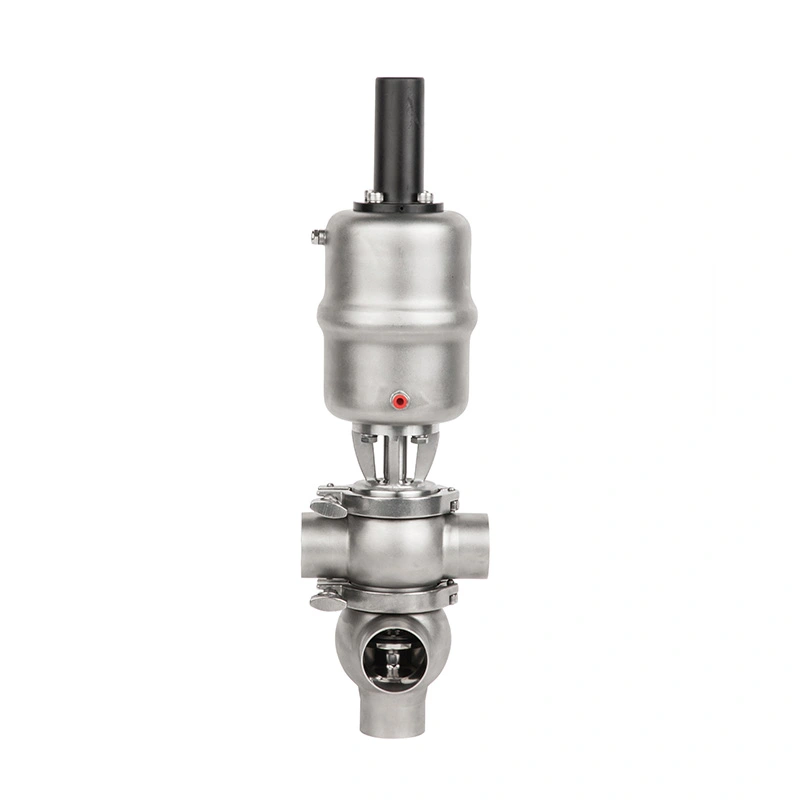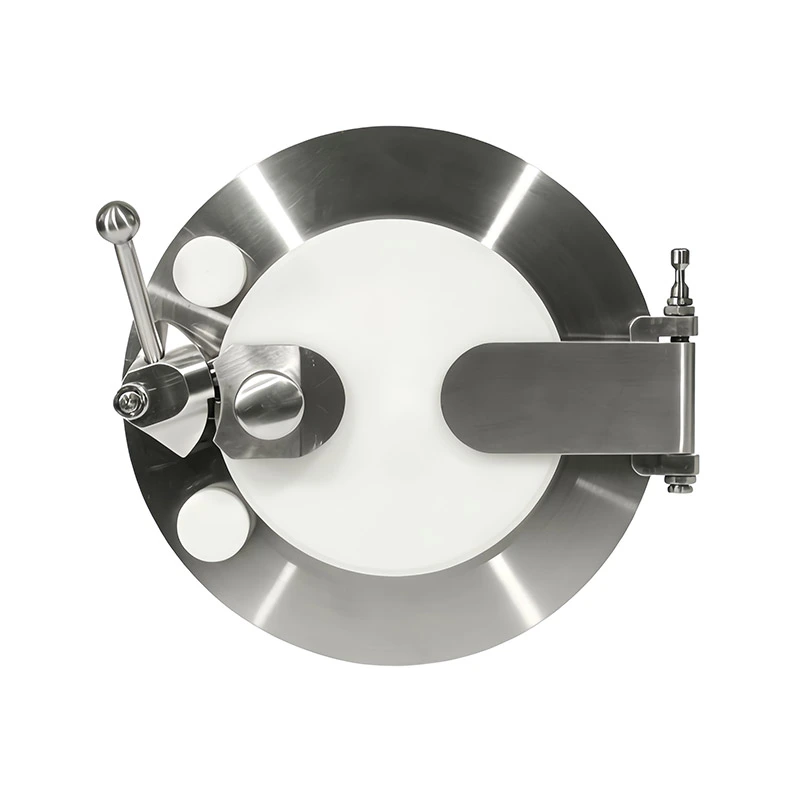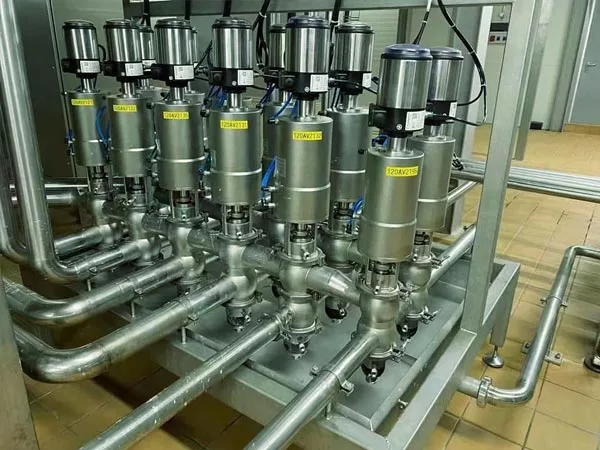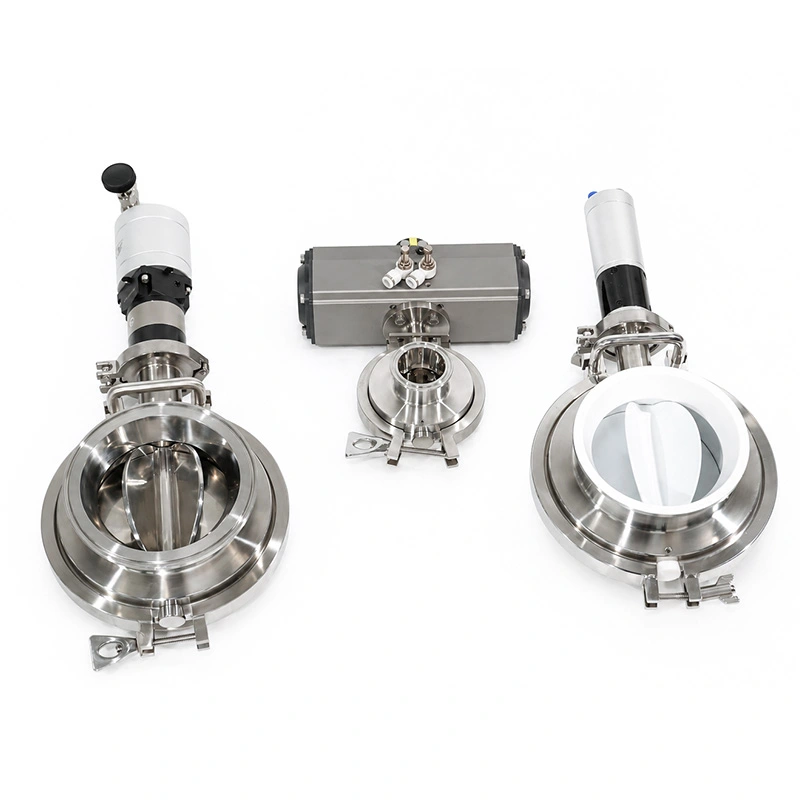

For manufacturers handling powdered ingredients, granules, dry food materials, and other bulk solids, selecting the right rotary valve can influence production efficiency, cleaning time, maintenance costs, and contamination control. However, not every rotary valve is suitable for sanitary applications. Material compatibility, internal geometry, sealing arrangements, and cleaning accessibility all deserve careful consideration.
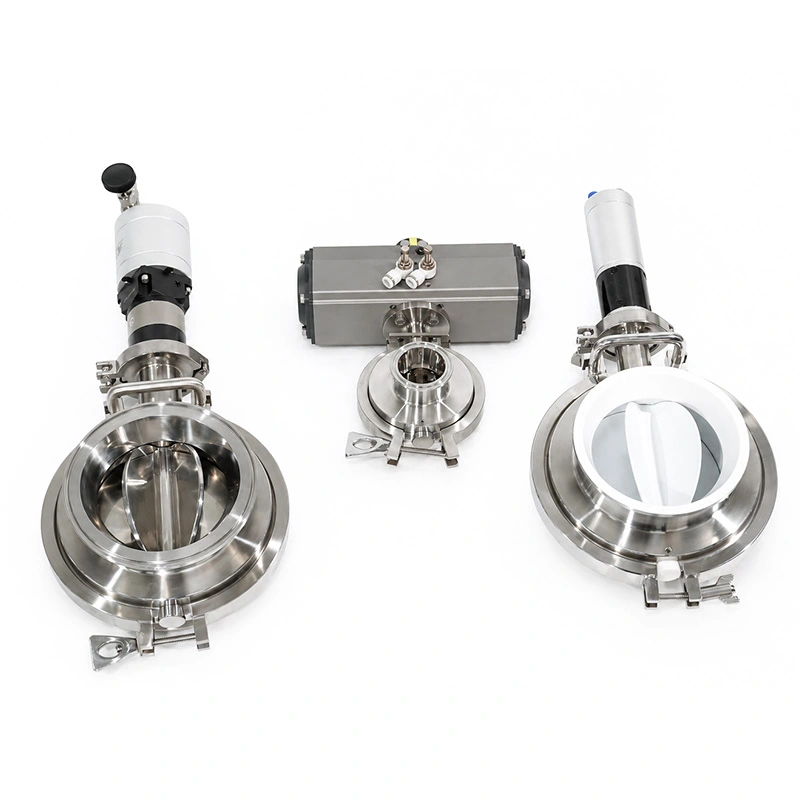
A Sanitary Rotary Valve is a rotary feeding device engineered to transfer or meter dry bulk materials while supporting hygienic processing requirements. This guide explains its working principle, essential design features, industrial applications, selection criteria, maintenance practices, and common purchasing mistakes. It also outlines how customized engineering from AVM Extraordinary Intelligent Control Equipment Co., Ltd. can help manufacturers address specific equipment integration and material-handling requirements.
Table of Contents
- What Is a Sanitary Rotary Valve?
- How Does a Sanitary Rotary Valve Work?
- Which Design Features Matter Most?
- Where Are Sanitary Rotary Valves Used?
- Sanitary Rotary Valve vs. Standard Rotary Valve
- How to Choose the Right Valve
- Maintenance and Troubleshooting
- Common Purchasing Mistakes
- Frequently Asked Questions
- Conclusion and Next Steps
1. What Is a Sanitary Rotary Valve?
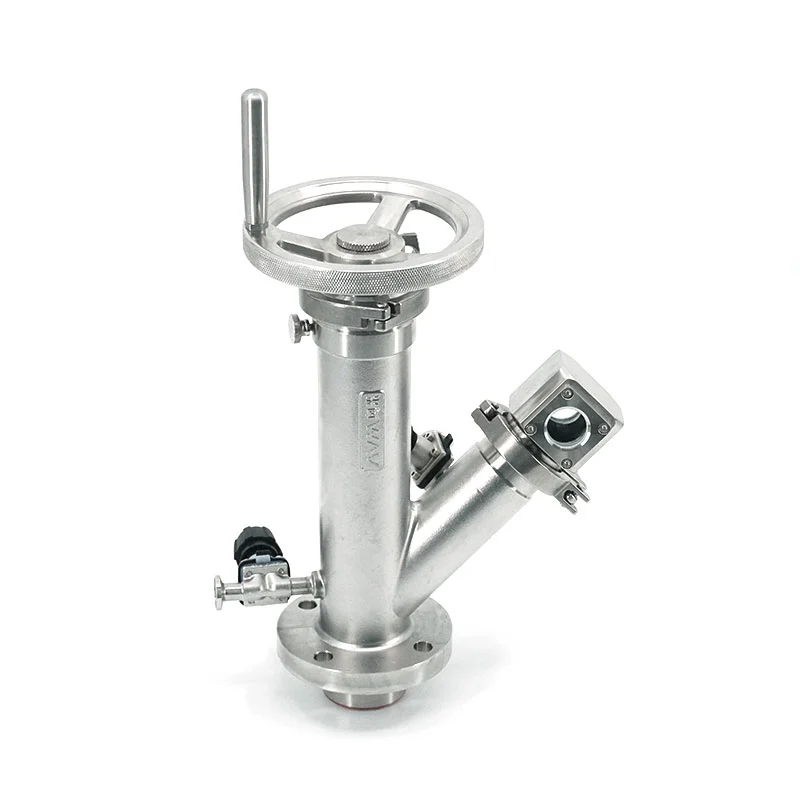
A Sanitary Rotary Valve is a rotary material-handling component designed to discharge, feed, or meter dry bulk solids in applications where hygiene and contamination control are important. It typically consists of a housing, a rotating rotor with multiple pockets or vanes, an inlet, an outlet, shaft seals, bearings, and a drive system.
As the rotor turns, its pockets receive material from a hopper, silo, or upstream processing machine. The material is carried through the housing and released through the outlet. Depending on the configuration and operating conditions, the valve can provide a relatively consistent feeding rate while helping maintain a pressure difference between connected equipment.
Unlike a conventional industrial rotary valve, a sanitary version places greater emphasis on accessible product-contact surfaces, reduced material-retention areas, compatible construction materials, and cleaning procedures appropriate to the application.
Core Functions of a Sanitary Rotary Valve
- Controlled discharge: Regulates the release of powders and granules from storage or processing equipment.
- Volumetric feeding: Supports repeatable material delivery when rotor displacement and operating speed are properly selected.
- Material transfer: Connects hoppers, mixers, dryers, dust collectors, and conveying systems.
- Pressure isolation: Helps limit gas leakage between connected process zones, although it should not automatically be treated as a gas-tight or pressure-isolating shutoff valve.
- Hygienic processing: Supports cleaning and contamination-control procedures through appropriate equipment design.
It is important to distinguish a sanitary rotary valve from a liquid-process sanitary valve. Rotary valves used for dry bulk solids have different operating mechanisms and cleaning challenges from diaphragm, butterfly, or ball valves designed for liquid pipelines.
2. How Does a Sanitary Rotary Valve Work?
The operating principle is straightforward, but reliable performance depends on the relationship between rotor geometry, material properties, rotational speed, and the surrounding process conditions.
Step 1: Material Enters the Valve
Powder or granular material flows from a hopper, silo, or upstream machine into the valve inlet. Consistent feeding depends on factors such as bulk density, particle size, moisture content, cohesiveness, and hopper design. Materials that bridge or compact may require additional flow aids.
Step 2: The Rotor Captures the Material
The rotating rotor contains multiple pockets that receive a portion of the incoming material. Each pocket carries material away from the inlet as the rotor turns. The amount transported per revolution depends on pocket volume, filling efficiency, material characteristics, and operating speed.
Step 3: Material Is Discharged
When a filled pocket reaches the outlet, gravity or the downstream conveying arrangement releases the material. Repeated rotor movement creates a continuous or near-continuous discharge pattern, depending on the valve configuration and process conditions.
Step 4: The Cycle Repeats
The rotor continues turning to receive and discharge additional material. A drive system may operate at a fixed speed or use variable-speed control to adjust feeding performance. In automated systems, the valve can be integrated with sensors, level controls, conveying equipment, and production management systems where appropriate.
3. Which Design Features Matter Most?
Hygienic performance depends on the complete equipment design rather than a stainless-steel housing alone. Buyers should assess the following features against their cleaning procedures, product characteristics, and applicable industry requirements.
3.1 Product-Contact Materials
Stainless steel is commonly used for sanitary rotary valve components because it can provide suitable corrosion resistance, mechanical strength, and cleanability. Grades such as 304 and 316L may be considered depending on the product, cleaning chemicals, temperature, and corrosion exposure.
The appropriate grade should be confirmed against the actual operating environment. Buyers should also review the materials used for gaskets, shaft seals, and other components that contact the product. Material certificates and food-contact documentation may be necessary for regulated applications.
3.2 Smooth Surfaces and Reduced Material Retention
Rough surfaces, narrow gaps, sharp internal corners, and inaccessible recesses can retain product and complicate cleaning. Sanitary-oriented designs may incorporate polished product-contact surfaces, rounded rotor pockets, carefully finished edges, and minimized crevices.
Surface roughness should be specified as a measurable requirement where necessary. The appropriate Ra value depends on the application and governing specification; it should not be assumed that every sanitary process requires the same finish.
3.3 Cleaning and Inspection Accessibility
Quick-release covers, removable rotor assemblies, and accessible internal components can simplify inspection and manual cleaning. For production lines with frequent product changeovers, these features may reduce downtime and improve maintenance efficiency.
Clean-in-place (CIP) suitability must be confirmed for the specific valve model. A component should not be considered CIP-compatible merely because it is made from stainless steel. Cleaning-fluid coverage, drainage, seal compatibility, and the manufacturer's validated procedures all matter.
3.4 Sealing and Bearing Protection
Shaft seals help limit unwanted leakage and prevent lubricant or external contaminants from entering the product zone. Bearings should be protected from product dust, moisture, and cleaning chemicals. Seal selection must account for operating temperature, pressure difference, rotational speed, and cleaning frequency.
3.5 Drive and Control Compatibility
The drive should deliver sufficient torque for the material and operating conditions. Variable-frequency drives may help adjust rotor speed, while sensors and control interfaces can support automated production. Electrical protection and equipment suitability should match the installation environment.
| Design Feature | Why It Matters | What Buyers Should Verify |
|---|---|---|
| Product-contact materials | Supports corrosion resistance and product compatibility | Material grade, certificates, seal composition |
| Surface finish | Influences residue retention and cleaning | Specified roughness and inspection method |
| Rotor geometry | Affects filling, discharge, and material retention | Pocket design, clearances, product behavior |
| Cleaning access | Influences cleaning time and inspection quality | Removability, access points, cleaning procedure |
| Shaft sealing | Helps control leakage and contamination risks | Seal type, wear limits, operating conditions |
| Drive configuration | Determines speed control and operating stability | Torque, motor rating, controls, duty cycle |
4. Where Are Sanitary Rotary Valves Used?
Sanitary rotary valves are particularly useful in dry bulk material handling, where controlled discharge and hygienic equipment design must work together. The exact configuration depends on the material and the level of cleanliness required.
Food and Beverage Manufacturing
Food processing plants use rotary feeding equipment to handle ingredients such as flour, sugar, starch, milk powder, seasoning blends, and other dry materials. Hygienic design can help simplify cleaning between production runs and reduce the likelihood of retained ingredients contaminating subsequent batches.
For allergen-sensitive operations, the cleaning procedure and changeover validation are as important as the valve's mechanical design.
Pharmaceutical Production
Pharmaceutical powder handling may require controlled feeding, documented material compatibility, accessible inspection points, and carefully managed contamination risks. Equipment selection should reflect the product's sensitivity, cleaning validation requirements, containment needs, and applicable manufacturing procedures.
Not every sanitary rotary valve is suitable for sterile processing or high-containment applications. Buyers should verify whether the proposed design meets the specific process and regulatory requirements.
Cosmetics and Personal Care
Powdered pigments, cosmetic ingredients, and other dry formulations may benefit from consistent transfer and easier equipment cleaning. Product buildup and cross-contamination are particularly important concerns when processing multiple colors or formulations on shared production equipment.
Fine Chemicals and Specialty Powders
Manufacturers handling specialty chemicals may require corrosion-resistant materials, compatible seals, dust control, and precise feeding performance. If materials are abrasive, combustible, hygroscopic, or chemically aggressive, additional design and safety assessments may be necessary.
Pneumatic Conveying and Automated Processing
Rotary valves are frequently installed beneath hoppers, silos, filters, and other equipment in pneumatic conveying systems. They can feed solids into downstream lines while helping manage pressure differences. The appropriate valve must be selected according to the conveying arrangement, leakage tolerance, material behavior, and required throughput.
5. Sanitary Rotary Valve vs. Standard Rotary Valve
Although both valve types may use a rotating pocket mechanism, their design priorities can differ significantly. A standard industrial valve may prioritize general material transfer, durability, and cost, while a sanitary version places additional emphasis on product-contact surfaces and cleaning access.
| Comparison Point | Sanitary Rotary Valve | Standard Rotary Valve |
|---|---|---|
| Primary priority | Hygiene, cleanability, and material handling | General industrial feeding and discharge |
| Product-contact surfaces | May feature specified polishing and hygienic finishing | Finish varies by application and model |
| Internal geometry | Designed to minimize difficult-to-clean areas | May use conventional industrial geometry |
| Cleaning access | May offer removable or quick-access components | Depends on the construction |
| Material documentation | May require documented product-contact materials | Depends on the industry and specification |
| Initial investment | May be higher because of specialized design and finishing | Often lower for comparable basic duties |
| Typical applications | Food powders, pharmaceutical ingredients, cosmetics | General powders, minerals, and industrial bulk solids |
These are general tendencies, not universal rules. Some industrial rotary valves incorporate hygienic features, and some sanitary designs are intended for relatively straightforward applications. The final decision should be based on documented specifications rather than the product name alone.
6. How to Choose the Right Sanitary Rotary Valve
Selecting a valve based only on nominal size or purchase price can result in poor feeding performance, unnecessary cleaning work, or premature component wear. A structured evaluation helps ensure that the valve fits the real operating conditions.
Step 1: Define the Material Characteristics
Provide the supplier with the material name, bulk density, particle-size distribution, moisture content, abrasiveness, flowability, and any relevant chemical or temperature properties. These factors influence rotor design, filling efficiency, wear resistance, and seal selection.
Step 2: Calculate the Required Capacity
Estimate the required mass flow rate and determine whether the valve will operate continuously or intermittently. Theoretical volumetric capacity can be estimated using:
Volumetric capacity = displacement per revolution × rotational speed
Estimated mass capacity can then be calculated as:
Mass capacity = volumetric capacity × bulk density × filling efficiency
These relationships provide an initial estimate only. Actual output must be verified under representative material and operating conditions, with suitable allowances for variable filling, leakage, and process fluctuations.
Step 3: Establish Hygiene and Cleaning Requirements
Determine whether the process uses dry cleaning, manual wet cleaning, CIP, or another validated procedure. Specify cleaning chemicals, temperatures, cycle frequency, drying requirements, acceptable residual levels, and inspection methods.
For food and pharmaceutical applications, identify the standards and documentation required by the facility. Do not assume that a generic sanitary designation establishes compliance with every applicable regulation or certification scheme.
Step 4: Check Pressure and Temperature Conditions
Provide normal and maximum operating pressures, pressure differentials, operating temperatures, and any transient conditions. Rotary valves have leakage characteristics and mechanical limits that vary by design. They should not be substituted for pressure-rated isolation devices without appropriate engineering approval.
Step 5: Confirm Installation and Integration Details
Verify inlet and outlet dimensions, flange or clamp connections, available headroom, mounting arrangement, motor position, maintenance clearance, and downstream equipment interfaces. For automated lines, identify control signals, required speed adjustment, interlocks, and monitoring needs.
Step 6: Evaluate the Total Cost of Ownership
Purchase price is only one part of the investment. Consider cleaning labor, production downtime, spare parts, seal replacement, energy consumption, inspection frequency, and the cost of product loss or contamination events.
| Information to Prepare | Example Details |
|---|---|
| Material | Powder, granules, ingredient type, bulk density |
| Required throughput | Target mass flow per hour |
| Operating conditions | Pressure difference and temperature range |
| Hygiene requirements | Surface finish, material certificates, cleaning method |
| Installation | Inlet/outlet dimensions, mounting position, available space |
| Control system | Fixed speed, variable speed, sensors, automation interface |
| Customization | Special connections, hopper interface, equipment layout |
Providing this information early allows the manufacturer to evaluate feasibility, identify potential design constraints, and recommend a configuration suited to the intended process.
7. Maintenance and Troubleshooting
Even a well-designed Sanitary Rotary Valve requires planned inspection and maintenance. Material buildup, seal deterioration, incorrect alignment, and unsuitable operating conditions can reduce performance over time.
Routine Maintenance Checklist
- Inspect product-contact surfaces for residue, corrosion, scoring, or unexpected wear.
- Check rotor movement for abnormal resistance, vibration, or noise.
- Examine shaft seals and gaskets for wear, leakage, deformation, or chemical damage.
- Inspect bearings and the drive system according to the manufacturer's instructions.
- Confirm that covers, fasteners, and quick-release components are correctly secured.
- Verify motor operation, speed settings, and relevant control signals.
- Document cleaning, inspection, repair, and replacement activities.
Common Problems and Possible Causes
| Observed Problem | Possible Causes | Recommended Action |
|---|---|---|
| Low discharge capacity | Poor pocket filling, bridging, incorrect speed, unsuitable rotor size | Review material flow, operating speed, and valve sizing |
| Product buildup | Moisture, sticky material, unsuitable geometry, inadequate cleaning | Review material conditions and cleaning procedures |
| Excessive leakage | Worn seals, unsuitable clearances, excessive pressure difference | Inspect sealing components and confirm operating limits |
| Unusual noise or vibration | Misalignment, bearing wear, foreign objects, rotor interference | Stop and inspect the equipment according to safety procedures |
| Frequent seal replacement | Incompatible seal material, abrasion, temperature, chemical exposure | Reassess seal compatibility and operating conditions |
Maintenance frequency should reflect operating hours, material abrasiveness, cleaning intensity, and the manufacturer's recommendations. Before opening the valve or removing internal components, isolate the equipment, disconnect and lock out the drive, release stored pressure, and follow the facility's applicable safety procedures.
8. Common Purchasing Mistakes to Avoid
Choosing by Size Alone
Two valves with similar dimensions can deliver different capacities because of differences in rotor displacement, speed, clearances, and filling efficiency. Buyers should provide actual throughput requirements rather than relying solely on connection size.
Assuming Stainless Steel Guarantees Sanitary Performance
Material grade is important, but it does not establish cleanability by itself. Surface condition, internal geometry, seal design, accessibility, and cleaning validation all contribute to hygienic performance.
Ignoring the Cleaning Method
A valve that is difficult to dismantle may create unnecessary downtime when frequent manual cleaning is required. Conversely, a design intended for manual cleaning may not be suitable for a validated CIP process. Confirm the cleaning method before finalizing the specification.
Overlooking Seal Compatibility
Seals can deteriorate when exposed to incompatible chemicals, high temperatures, abrasive particles, or unsuitable operating conditions. Specify the actual cleaning agents and process environment when requesting a quotation.
Accepting Unsupported Compliance Claims
Request the relevant material declarations, test reports, certificates, and technical documentation required for the intended application. Verify which standards apply to the complete valve and which apply only to individual materials or components.
Failing to Discuss Customization Early
Special mounting arrangements, unusual inlet or outlet dimensions, limited installation space, and integration with existing vessels can affect the equipment design. Sharing drawings and interface requirements at the beginning of the project can reduce avoidable redesign and installation delays.
9. Frequently Asked Questions About Sanitary Rotary Valves
1. What materials are commonly used in a Sanitary Rotary Valve?
Stainless steel grades such as 304 and 316L are commonly considered, depending on the application. Gaskets and seals may use compatible elastomers or polymers. The final selection should reflect product-contact requirements, corrosion exposure, cleaning chemicals, temperature, and applicable documentation standards.
2. Can a Sanitary Rotary Valve handle different types of powders?
Yes, provided the valve is correctly selected for the material. Flowability, bulk density, particle size, moisture, abrasiveness, and cohesiveness can all affect performance. Difficult-flowing or highly abrasive materials may require a specialized rotor configuration or additional process equipment.
3. Is a Sanitary Rotary Valve suitable for pharmaceutical applications?
It can be suitable for certain pharmaceutical powder-handling processes. However, the valve must meet the facility's material, cleanability, contamination-control, validation, and documentation requirements. Not every sanitary rotary valve is suitable for sterile processing or high-containment service.
4. What is the difference between CIP and manual cleaning?
Manual cleaning typically requires access to internal components for physical cleaning and inspection. Clean-in-place uses a defined cleaning process without routine disassembly. Whether CIP can clean a rotary valve effectively depends on its geometry, cleaning-fluid coverage, drainage, seals, and validated procedures.
5. Can a rotary valve provide an airtight seal?
Rotary valves can help limit gas leakage between connected process zones, but conventional designs are not inherently airtight. Leakage depends on rotor clearances, shaft seals, pressure differential, wear, and construction. If a process requires strict gas isolation, verify the manufacturer's leakage data and consider a dedicated isolation device where necessary.
6. How is the capacity of a Sanitary Rotary Valve determined?
Capacity depends on displacement per revolution, rotational speed, material bulk density, pocket-filling efficiency, and operating conditions. Suppliers should assess the actual material and required flow rate rather than estimating capacity from nominal dimensions alone.
7. Can a Sanitary Rotary Valve be customized?
Customization may include product-contact materials, rotor configuration, connection dimensions, drive arrangements, cleaning access, and integration with existing equipment. The available options depend on the manufacturer's engineering capabilities and the technical requirements of the application.
8. What information should be included in a quotation request?
Include the material name and properties, required throughput, operating temperature and pressure, cleaning procedure, contact-material requirements, installation dimensions, drive and control preferences, and any applicable standards. Drawings or photographs of the installation can help clarify special interface requirements.
10. Conclusion: Building a More Reliable Hygienic Material-Handling System
A Sanitary Rotary Valve plays an important role in controlling dry bulk material discharge while supporting the cleanliness and reliability requirements of modern processing systems. Its value comes from the combination of consistent feeding, appropriate product-contact materials, cleanable geometry, effective sealing, and practical maintenance access.
For purchasing teams and process engineers, the most effective selection strategy starts with the material and the operating environment. Capacity, pressure differential, temperature, cleaning procedures, installation dimensions, and documentation requirements should all be evaluated before a final configuration is chosen.
AVM Extraordinary Intelligent Control Equipment Co., Ltd. can be approached to discuss customized equipment requirements and application-specific integration needs. By sharing process data and installation constraints early, buyers can work toward a solution that fits their production objectives rather than relying on a generic specification.
Looking for a Sanitary Rotary Valve for Your Application?
Choosing the right rotary valve starts with understanding your material, production capacity, hygiene requirements, and equipment layout. Whether you are upgrading an existing production line or planning a new material-handling system, a detailed technical discussion can help clarify the most suitable configuration.
Contact AVM Extraordinary Intelligent Control Equipment Co., Ltd. to discuss your project requirements, customized equipment options, and installation needs. Contact us to start a conversation about a solution tailored to your application.