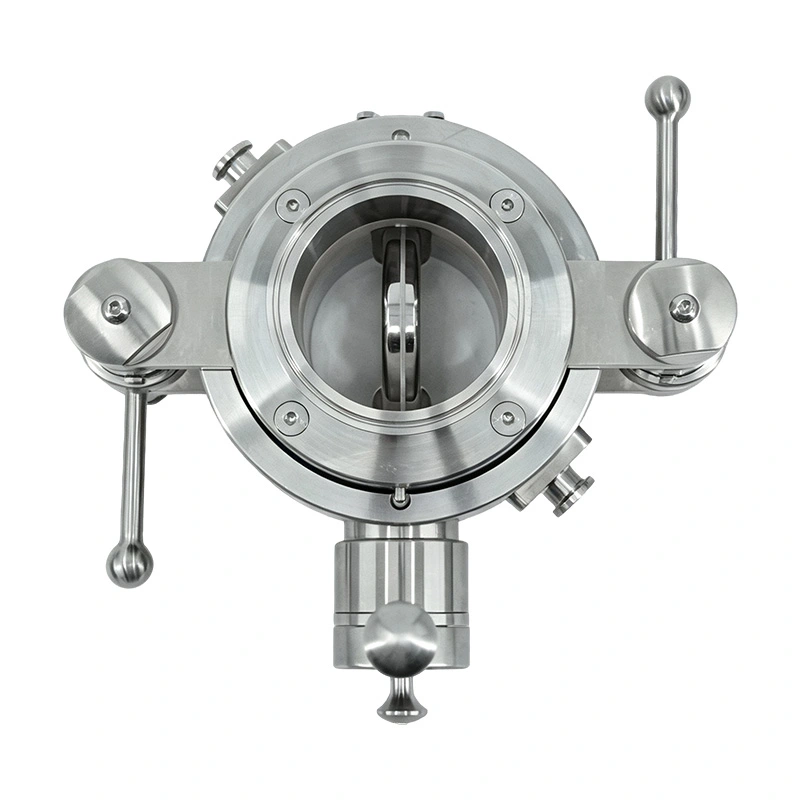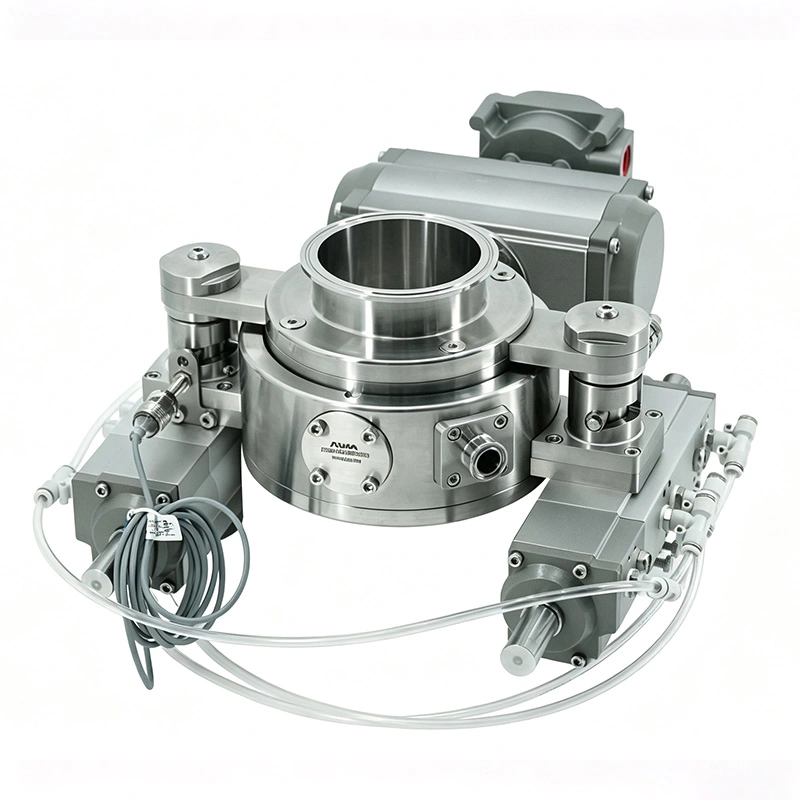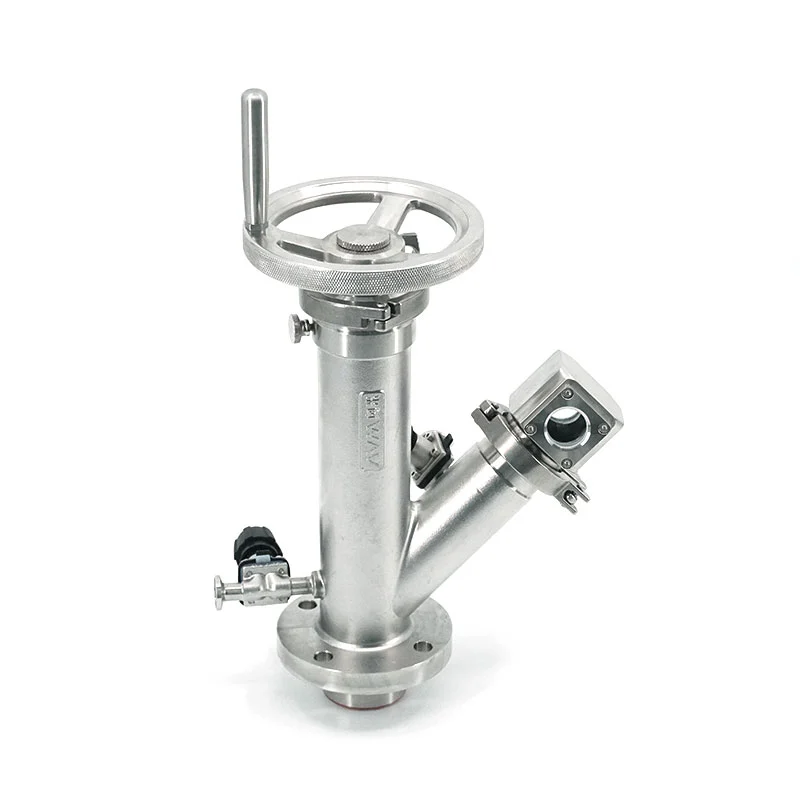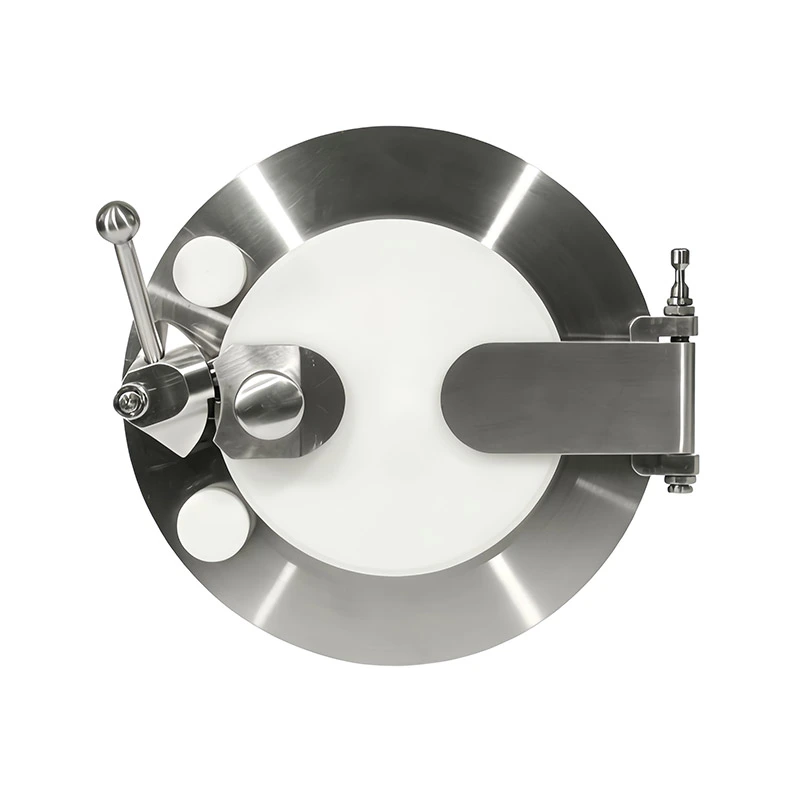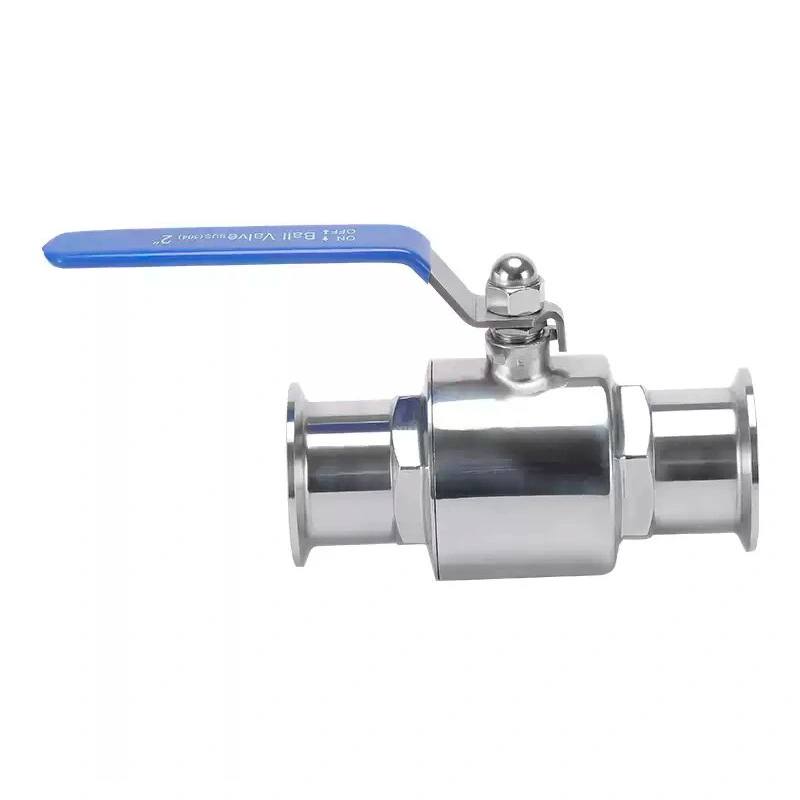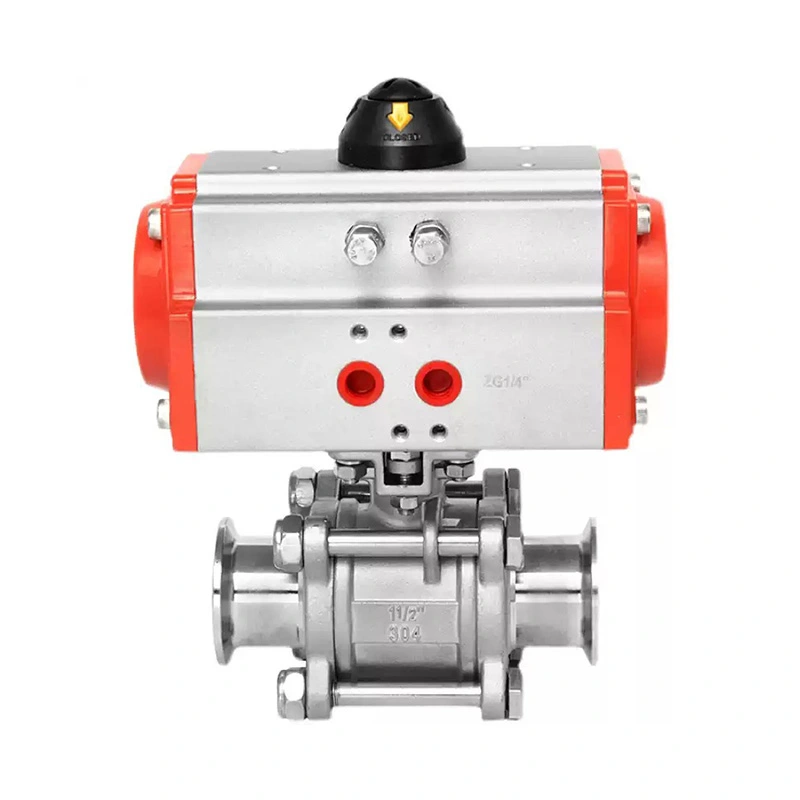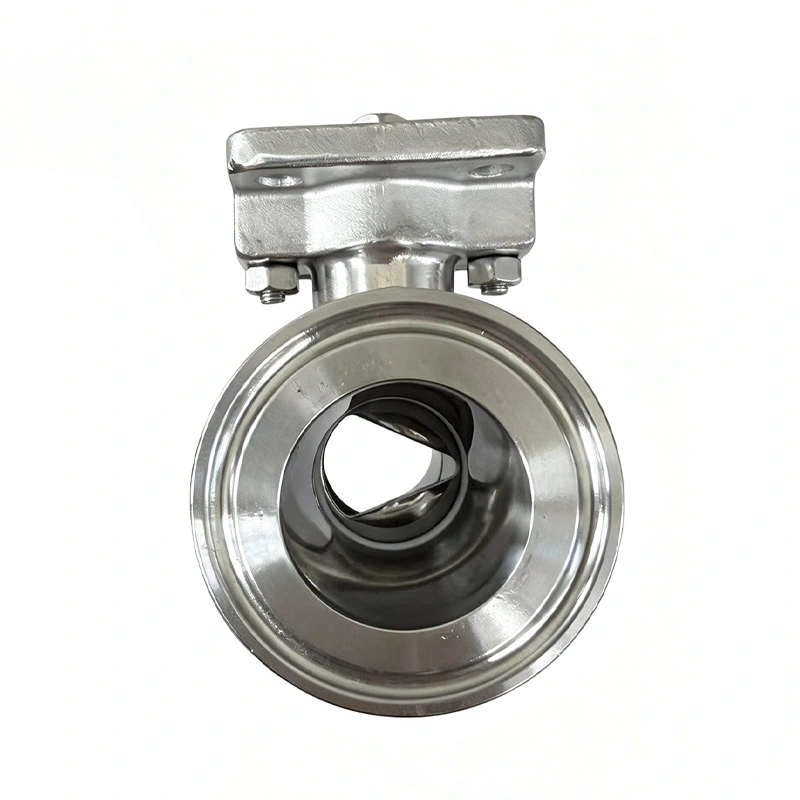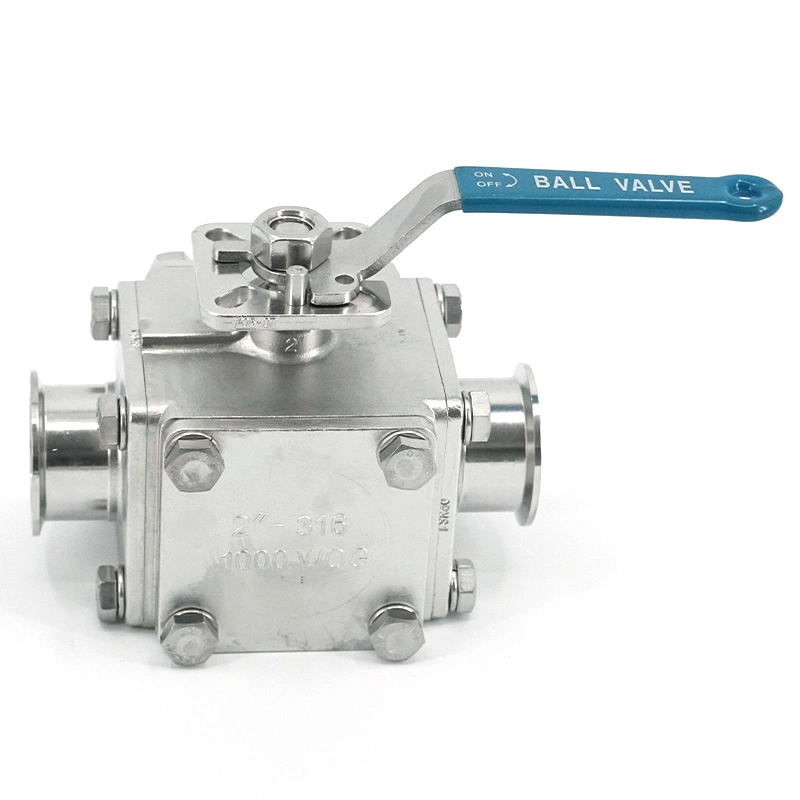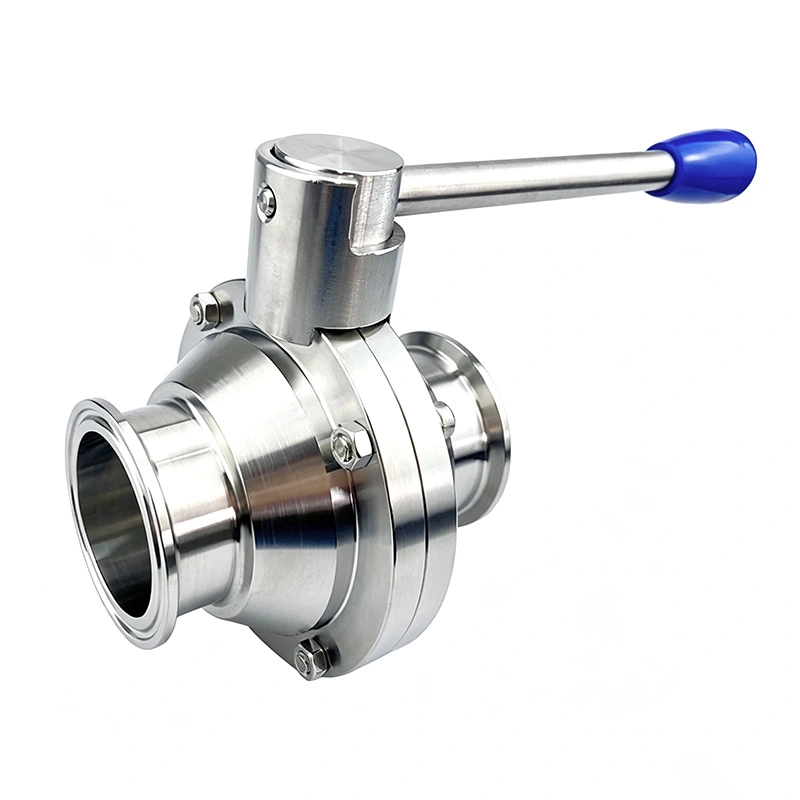
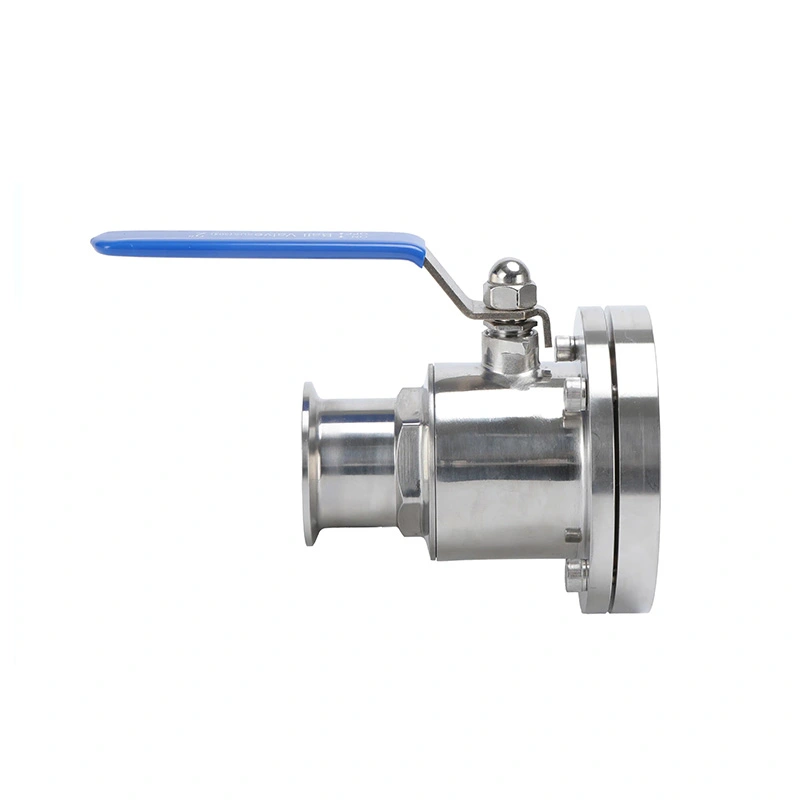
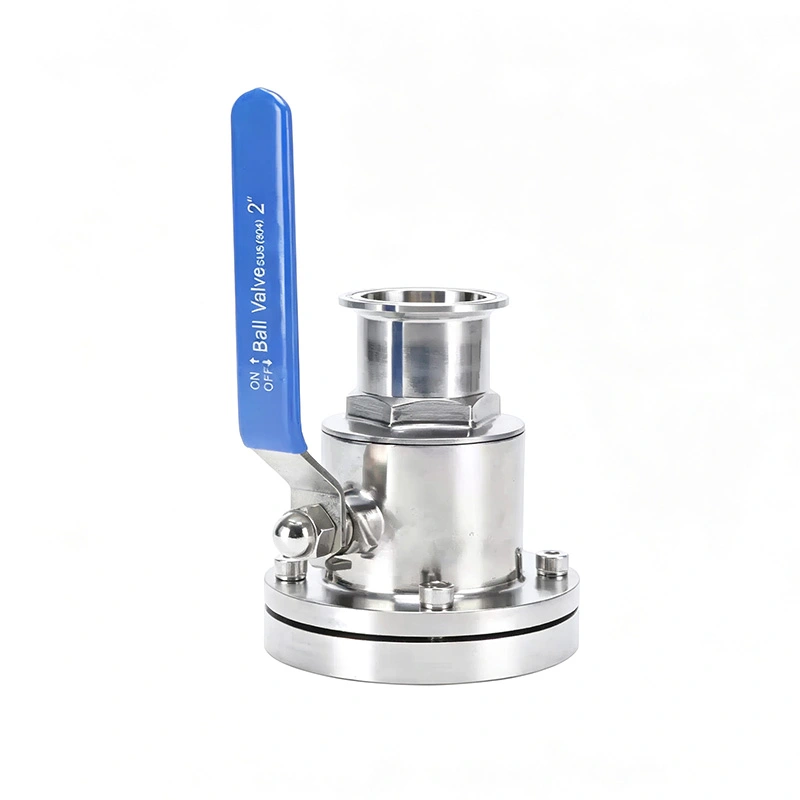
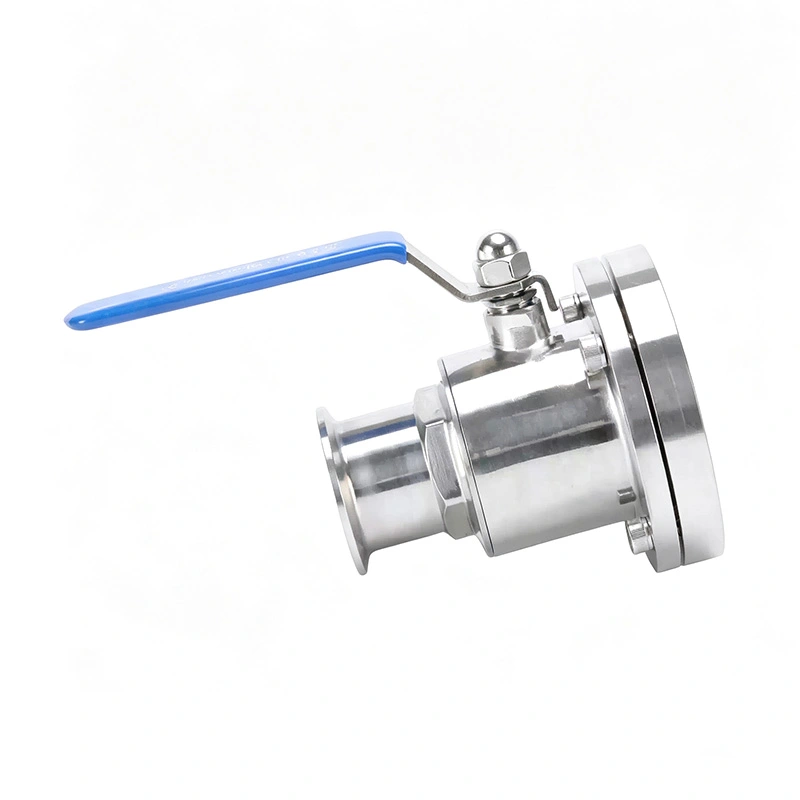
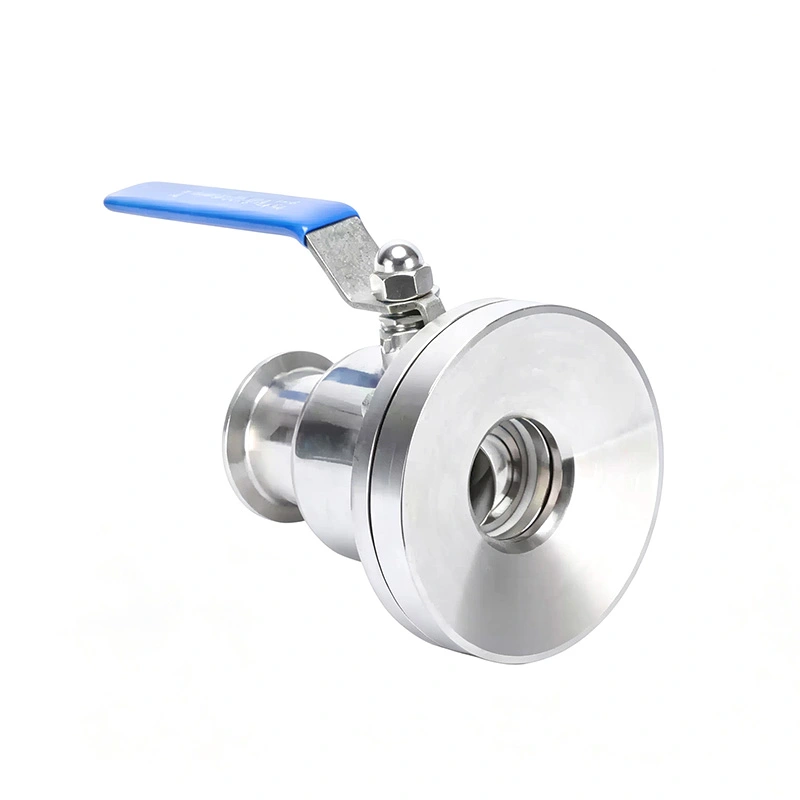
Unlike standard inline ball valves, the tank-bottom configuration is designed around the connection between the valve and the vessel outlet. The internal passage helps reduce product hold-up at the tank bottom, making the valve suitable for processes where complete drainage, low residue, and easy cleaning are important.
The Sanitary Tank Bottom Ball Valve is available with manual operation or pneumatic actuation and can be used in pharmaceutical, biotechnology, food, beverage, dairy, cosmetic, and compatible fine chemical processing systems.
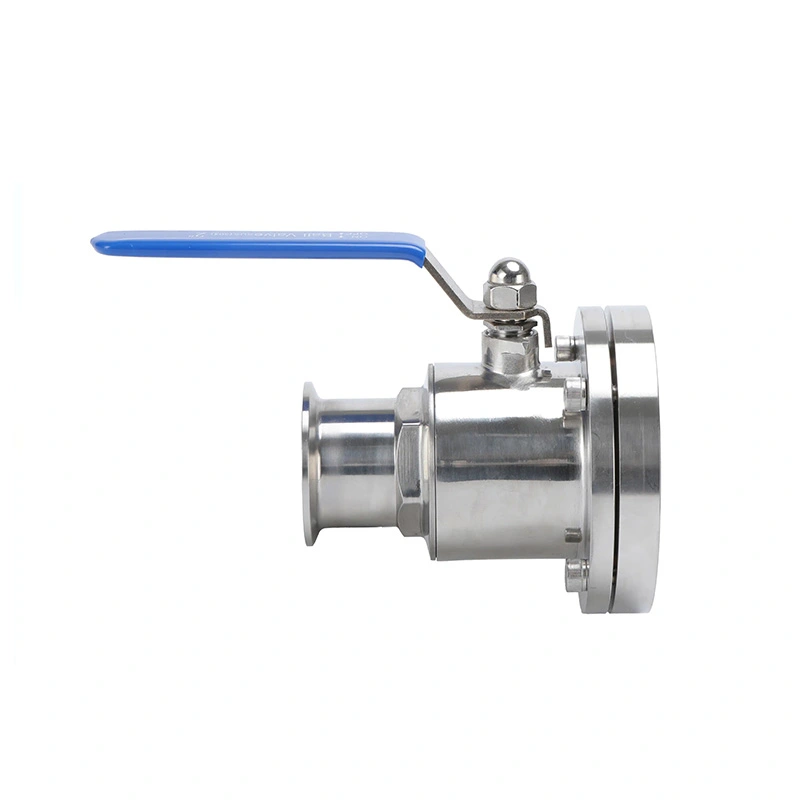
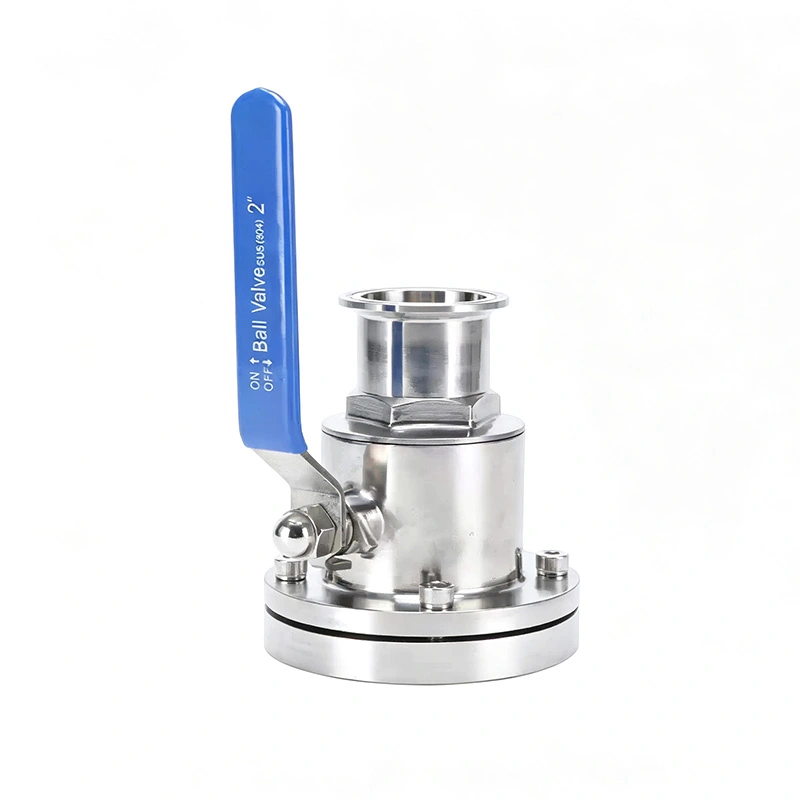
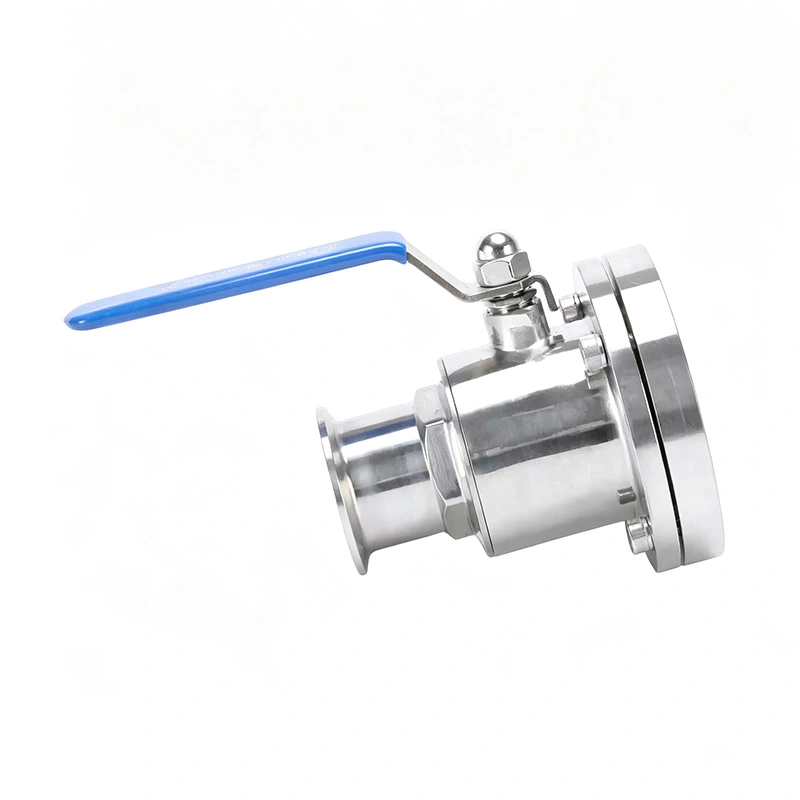
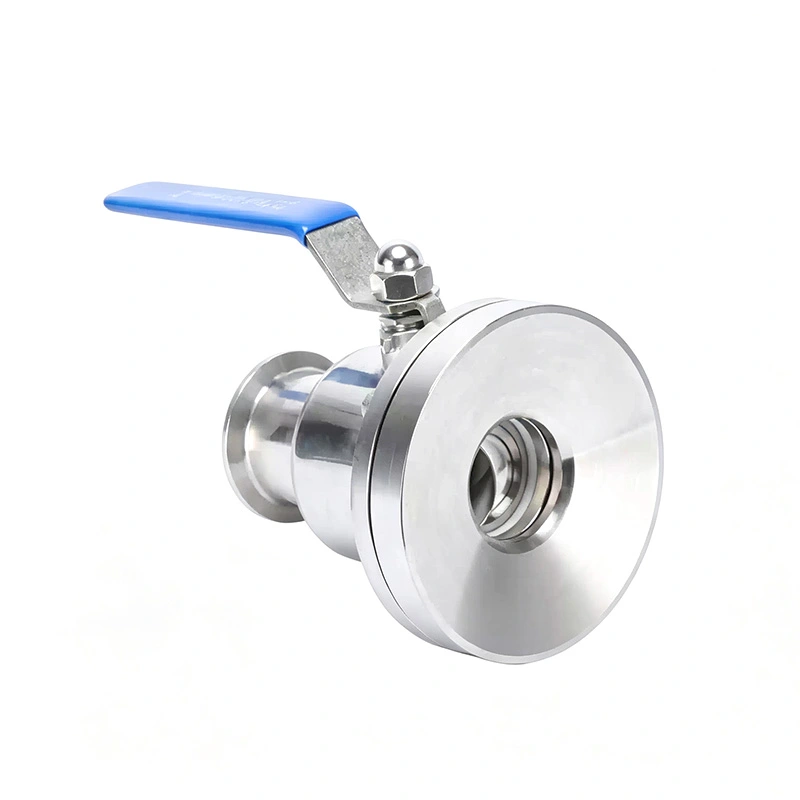
The valve is installed at the lowest outlet of a tank or process vessel, providing a direct flow path from the vessel into the downstream pipeline. This configuration is suitable for product discharge, tank draining, transfer, and process changeover.
The valve structure is designed to minimize unnecessary cavities and product accumulation around the tank outlet. This is particularly important for high-value products where residual material can lead to product loss or increase cleaning requirements.
The Sanitary Tank Bottom Ball Valve can be applied to storage tanks, mixing tanks, reactors, fermentation vessels, and other sanitary process vessels where bottom discharge and isolation are required.
The full-bore ball provides a large internal flow area when fully open. This allows process media to move from the tank outlet with relatively low flow restriction.
The bottom-mounted configuration supports gravity-assisted drainage and product transfer. It is suitable for applications where the remaining liquid volume inside the vessel needs to be minimized during discharge.
By reducing unnecessary dead space around the outlet and valve passage, the design helps decrease residual product after draining. This can improve product recovery and simplify subsequent cleaning procedures.
The valve incorporates an automatic seal compensation mechanism to maintain sealing contact as operating conditions change. This helps compensate for normal sealing wear and supports consistent shut-off performance.
When the Sanitary Tank Bottom Ball Valve is closed, the sealing system isolates the tank from the downstream pipeline. Proper material and pressure selection are required according to the actual process conditions.
The internal structure is designed to reduce the torque required to rotate the ball, allowing easier manual operation and reducing the actuator requirements for automated configurations.
Product-contact surfaces are precision finished to reduce areas where product residues can accumulate. The standard surface finish is Ra ≤0.8 μm, with Ra ≤0.4 μm available as an option.
The valve can be incorporated into Clean-in-Place systems, allowing cleaning fluid to pass through the process line without requiring routine dismantling of the valve.
For processes requiring sterilization, the valve can be configured for Sterilize-in-Place applications according to the selected sealing materials and operating temperature.
The valve is available in SS304 and SS316L stainless steel. SS316L is particularly suitable for demanding product-contact applications requiring higher corrosion resistance.
Available sealing materials include PTFE, EPDM, and Silicone. The appropriate material should be selected according to the product composition, cleaning agents, temperature, and operating conditions.
The standard surface finish is Ra ≤0.8 μm, while an optional Ra ≤0.4 μm finish is available for applications with stricter surface requirements.
The manual configuration provides direct control at the tank outlet and is suitable for process systems where valve operation is performed by an operator.
A pneumatic actuator provides remote opening and closing for automated process equipment. It is suitable for production lines where the tank outlet needs to operate according to a programmed process sequence.
The pneumatic configuration can be integrated with PLC-based systems to coordinate tank discharge with pumps, filling equipment, transfer pipelines, and other process equipment.
When the ball bore is aligned with the pipeline, the valve opens the main flow passage and allows product to discharge from the tank.
When the ball rotates 90° from the open position, the solid section blocks the flow passage and isolates the tank from the downstream system.
During discharge, the bottom outlet allows the product to move directly toward the downstream pipeline. The full-bore passage helps reduce flow restriction and supports efficient transfer.
| Item | Specification |
| Product Name | Sanitary Tank Bottom Ball Valve |
| Brand | AVM |
| Valve Type | Sanitary Tank Bottom Full-Bore Ball Valve |
| Body Material | SS304 / SS316L |
| Seal Material | PTFE / EPDM / Silicone |
| Surface Finish | Ra ≤0.8 μm Standard / Ra ≤0.4 μm Optional |
| Connection | Tri-Clamp / Weld / Flange / Thread |
| Working Pressure | Max. 10 bar, depending on size |
| Working Temperature | -10°C to 150°C |
| Operation | Manual / Pneumatic |
| Installation Position | Tank Bottom / Vessel Outlet |
| Application | Tank Discharge / Draining / Product Transfer / Filling |
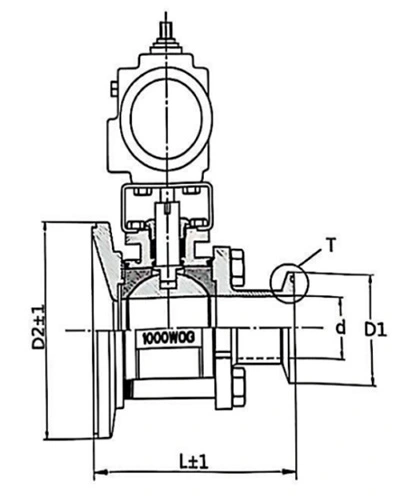
| Size | d | D1 | D2 | L | Cylinder Model |
| 1" | 22 | 50.5 | 118 | 100 | AT52 |
| 1 1/2" | 35 | 50.5 | 118 | 125 | AT52 |
| 2" | 47.5 | 64 | 145 | 145 | AT63 |
| 2 1/2" | 50 | 77.5 | 165 | 170 | AT75 |
| 3" | 72.5 | 91 | 205 | 198 | AT83 |
| 4" | 98 | 119 | 245 | 210 | AT83 |
The Sanitary Tank Bottom Ball Valve can be used at the bottom outlets of pharmaceutical storage and process tanks for controlled product discharge, liquid transfer, and cleaning operations.
It is suitable for fermentation vessels, bioprocess tanks, and liquid handling systems where efficient drainage and hygienic process conditions are required.
Applications include milk, beverage, liquid food ingredients, sauces, and other compatible products stored or processed in sanitary tanks.
The bottom-mounted configuration is suitable for milk, yogurt, cream, and other dairy processing equipment where product recovery and cleanability are important.
The valve can be used for tanks containing shampoo, lotion, cream, and other liquid or viscous cosmetic formulations.
For compatible chemical media, the valve can be applied to process tanks, reactors, and storage vessels. Material and sealing compatibility should be confirmed based on the actual chemical composition.
The valve should be installed at the lowest practical outlet of the vessel when maximum drainage is required. The vessel outlet geometry should be considered together with the valve dimensions.
Tri-Clamp, welded, flange, and threaded configurations are available. The connection should match the existing tank outlet and downstream sanitary piping.
Before selection, buyers should provide the process medium, working temperature, working pressure, required flow rate, cleaning conditions, and operating frequency to determine the appropriate valve configuration.
Valve dimensions and connection interfaces are checked according to the specified size and configuration before shipment.
The sealing system is checked to verify proper valve closing and leakage performance according to the applicable test requirements.
Manual and pneumatic configurations are checked for correct opening, closing, and actuator movement before shipment.
AVM uses suitable protective packaging for international transportation. Paper and wooden cases can be used according to the valve configuration and shipping requirements to protect the stainless steel body, connection ends, and pneumatic components.
It is installed at the bottom outlet of sanitary tanks, reactors, mixing vessels, fermentation vessels, and similar process equipment.
The configuration provides a direct discharge path from the vessel and helps reduce residual product around the outlet, supporting efficient drainage and product recovery.
It can be used for compatible viscous products, but the actual valve size should be selected according to viscosity, flow rate, temperature, and pressure.
Yes. Pneumatic actuation is available for automated tank discharge and remote process control.
The valve body is available in SS304 or SS316L stainless steel, with PTFE, EPDM, and Silicone sealing options.
Buyers should provide the tank outlet size, process medium, temperature, pressure, flow rate, connection type, required seal material, and whether manual or pneumatic operation is required.
Address
No. 373 Oufan Road, Dongtou District, Wenzhou City, Zhejiang Province, China
Tel