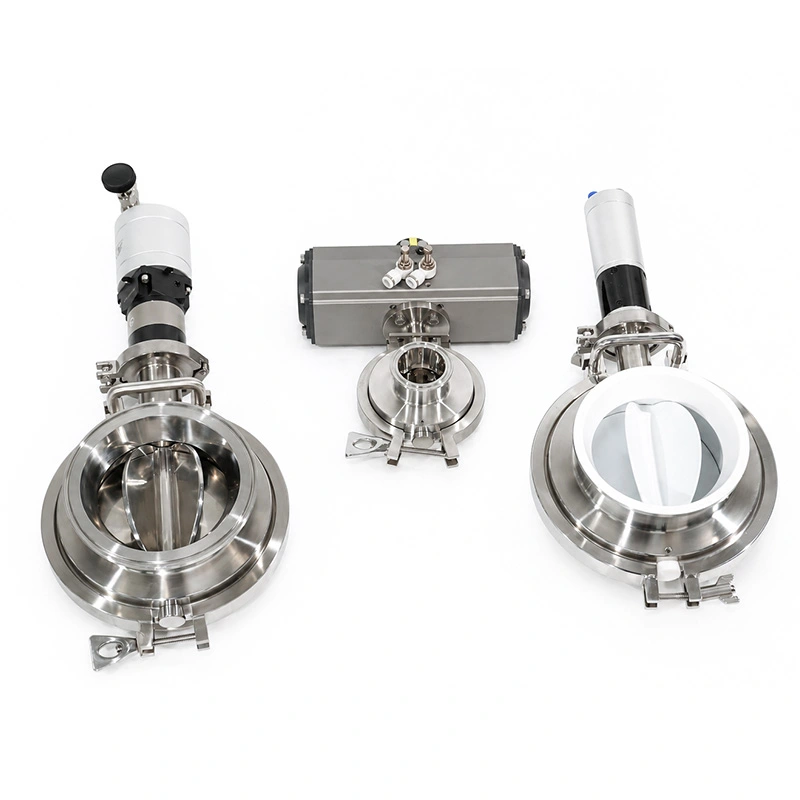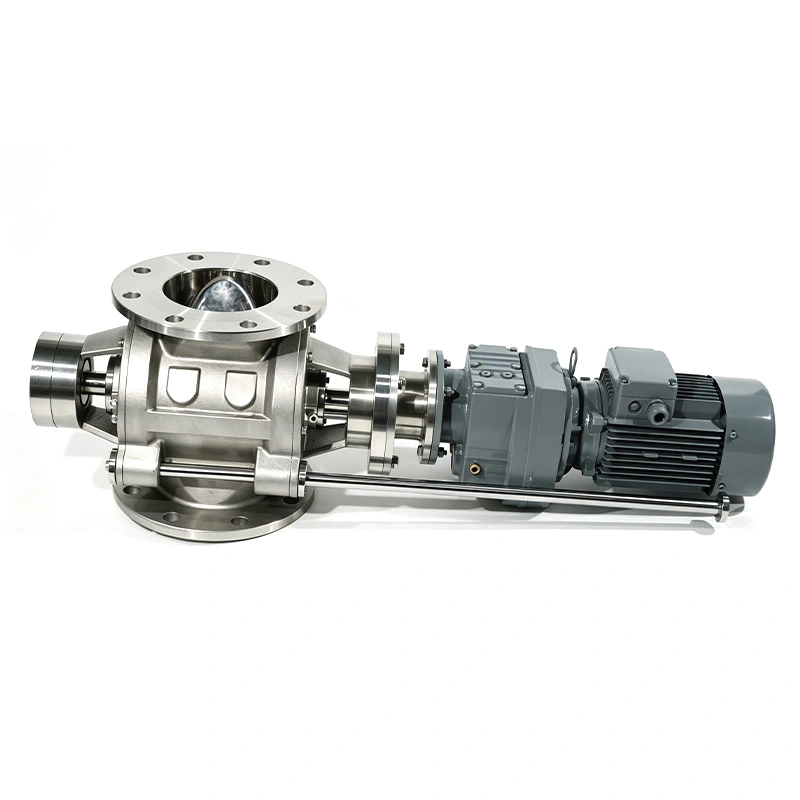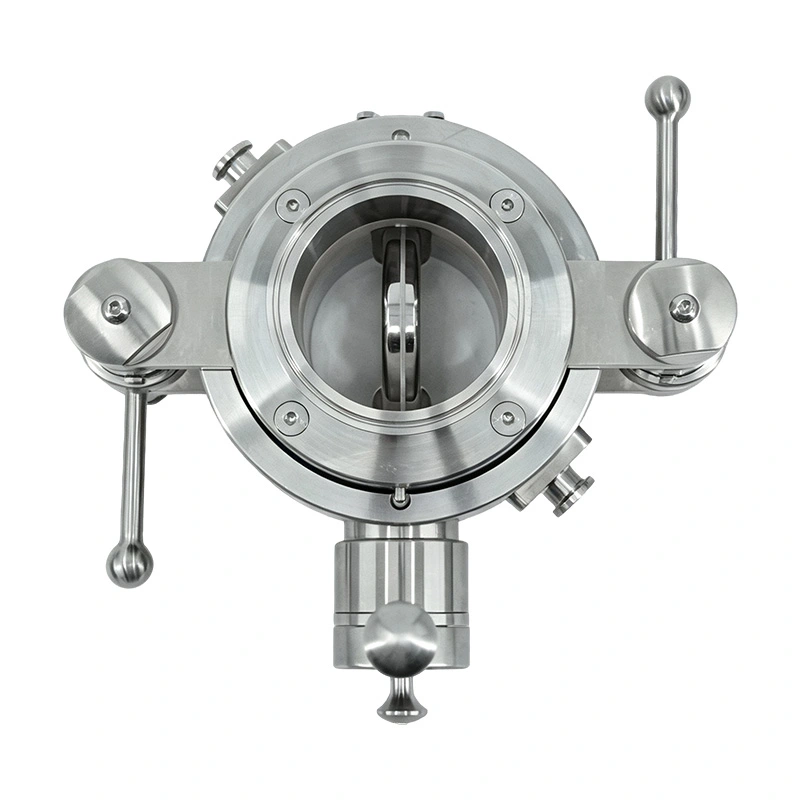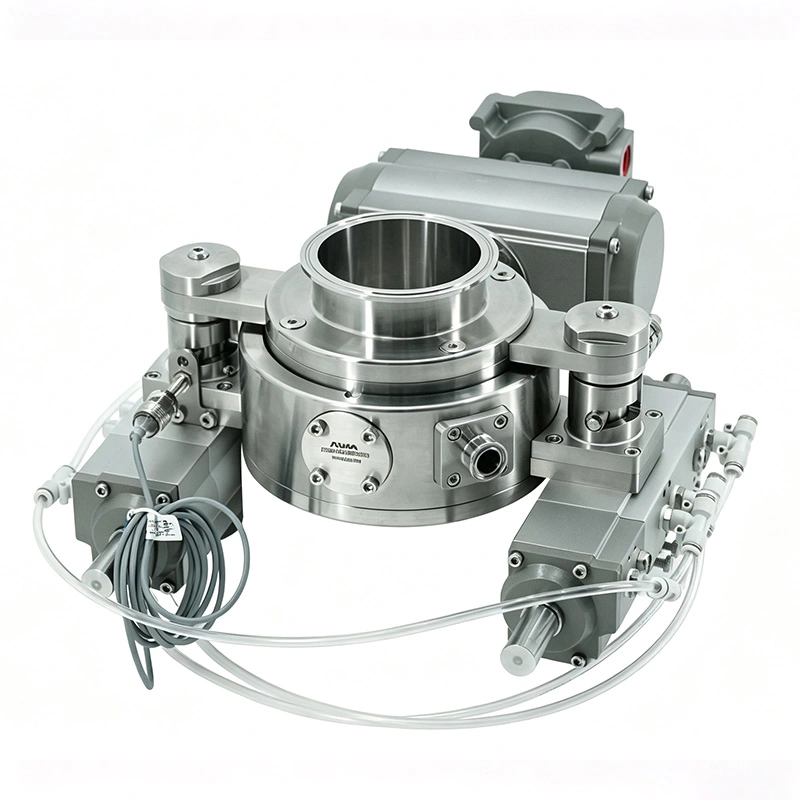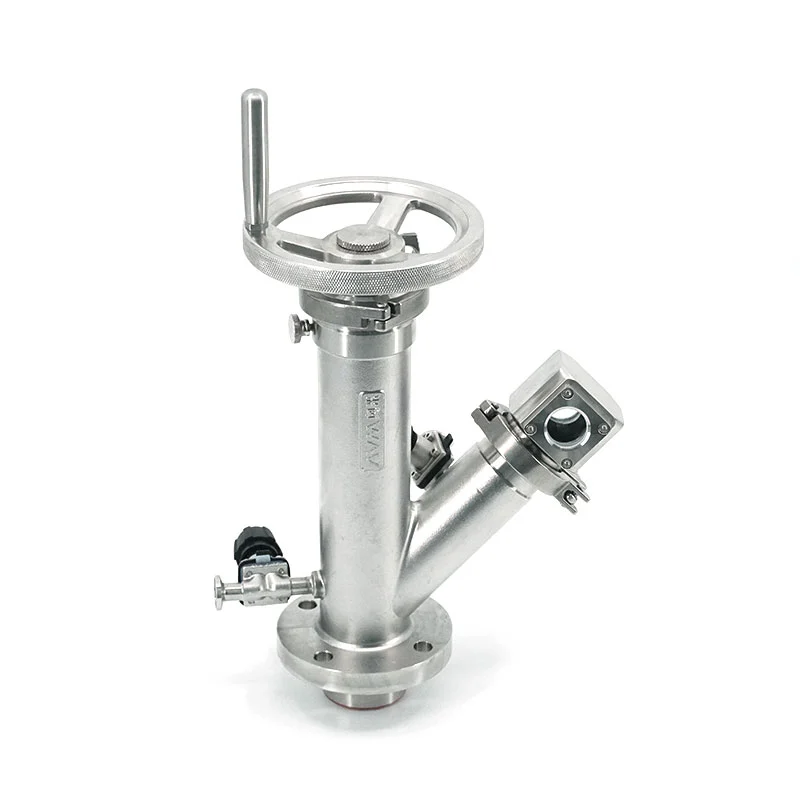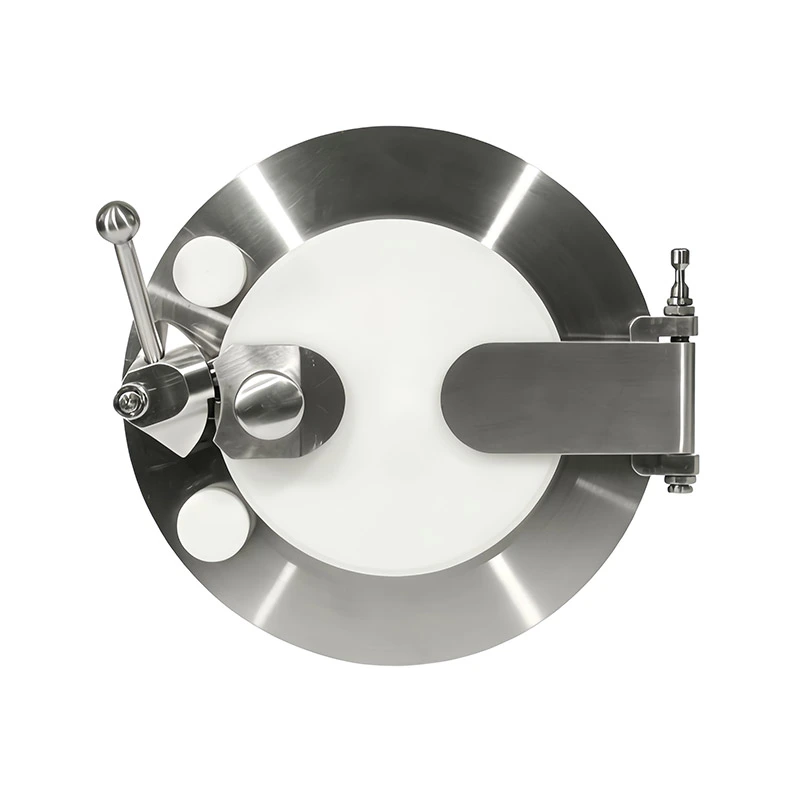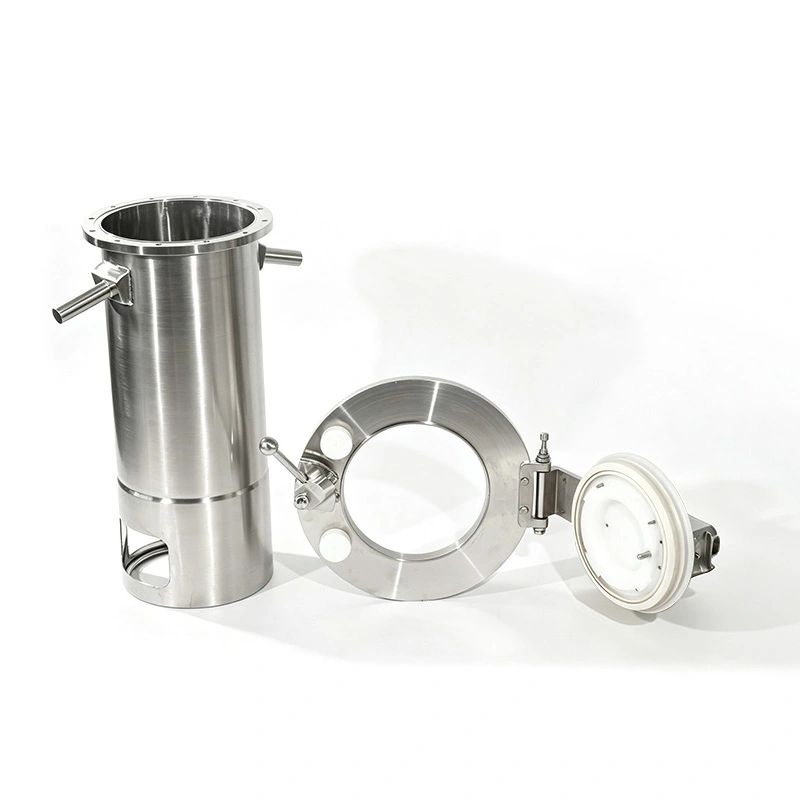
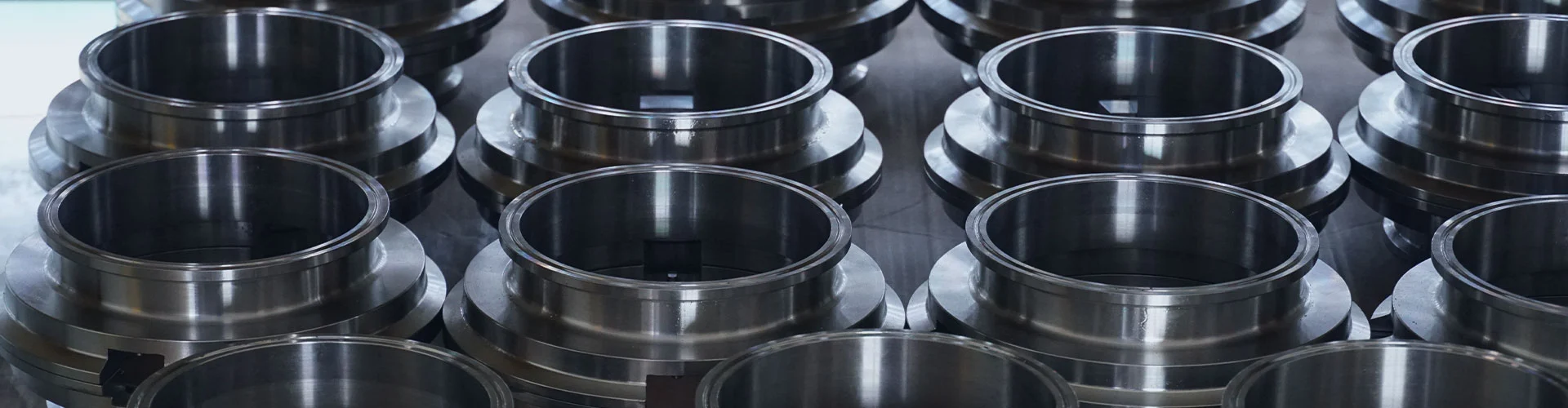
AVM develops rotary valve solutions for powders, granules, and bulk solids used in pharmaceutical, food, chemical, and other controlled processing environments. The rotary design provides a practical method for moving dry materials between connected process stages, supporting applications such as dosing, dispensing, filling, mixing, drying, and material discharge. AVM can configure the valve according to material characteristics, equipment layout, and required feeding conditions.
Stable feeding is important when powder or granular materials need to move continuously between processing equipment. A Sanitary Rotary Valve can regulate the passage of bulk solids through a rotating chamber, helping maintain a more consistent material flow between upstream and downstream equipment. This makes it suitable for production lines where controlled feeding is required rather than simple pipeline shut-off.
Powder handling often involves transferring a defined amount of material into another process stage. AVM rotary configurations can be incorporated into dosing and dispensing systems according to the required material characteristics and operating conditions. Proper valve selection can help reduce irregular feeding and improve consistency during repeated powder transfer operations.
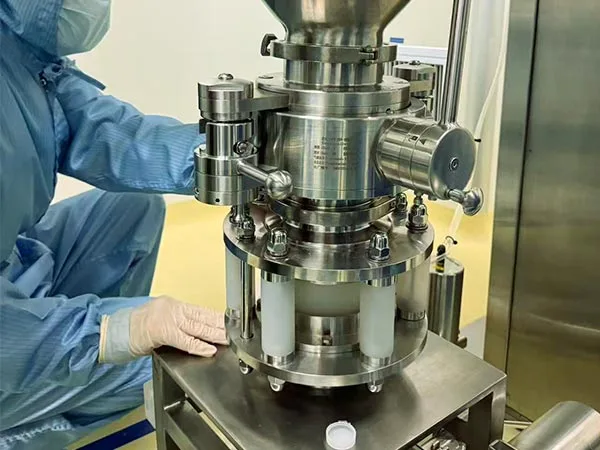
Rotary valves are commonly positioned between different pieces of powder processing equipment. AVM solutions can be integrated into systems involving mixers, dryers, filling machines, transfer lines, and discharge equipment. The Sanitary Rotary Valve provides a controlled interface between process stages, helping manufacturers organize material movement without redesigning the complete production line.
Unstable discharge or excessive material retention can increase product loss during powder processing. AVM focuses on suitable valve configuration and process matching to support smoother material transfer and controlled discharge. This can be particularly useful when handling valuable pharmaceutical powders, fine chemicals, food ingredients, or other bulk solids where material utilization affects production costs.
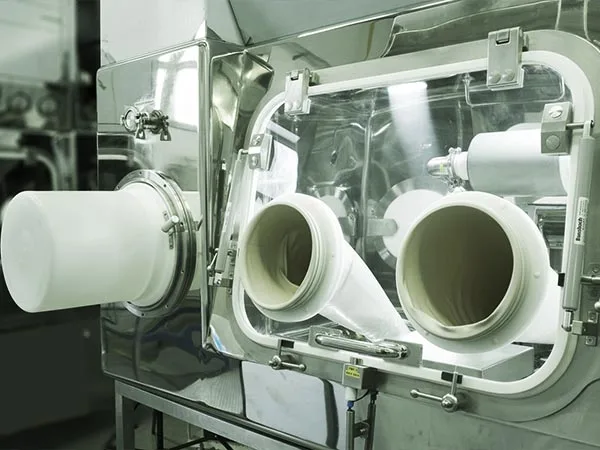
AVM rotary valve solutions can be applied to powder transfer, dosing, sampling, dispensing, charging and discharging, mixing, drying, filling, and contained transfer operations. The Sanitary Rotary Valve can be selected according to the specific position and function within the processing system, allowing manufacturers to use different configurations across multiple production stages.
Powders and granules can vary considerably in particle size, bulk density, flowability, moisture sensitivity, and handling characteristics. These factors should be considered when selecting a rotary valve. AVM can develop suitable configurations according to the material properties, required throughput, operating cycle, cleaning procedure, and connection requirements, helping buyers match the equipment to the actual production process.
For automated powder processing lines, consistent material movement can influence the performance of downstream equipment. By providing controlled feeding and discharge between process stages, the Sanitary Rotary Valve can contribute to a more organized material-handling sequence. AVM also provides customized solutions for applications where standard valve configurations do not fully match the production requirements.
AVM Extraordinary Intelligent Control Co., Ltd. provides sanitary and powder handling solutions for demanding processing environments. The company integrates design, development, manufacturing, and technical support, allowing valve configurations to be considered together with the surrounding equipment and material characteristics. AVM holds ISO 9001, CE, and FDA certifications, providing international buyers with additional references when evaluating sanitary processing equipment.
For projects requiring a Sanitary Rotary Valve, AVM can provide customized configurations for powder transfer, dosing, dispensing, filling, drying, mixing, charging, discharging, and other bulk-solid handling processes.