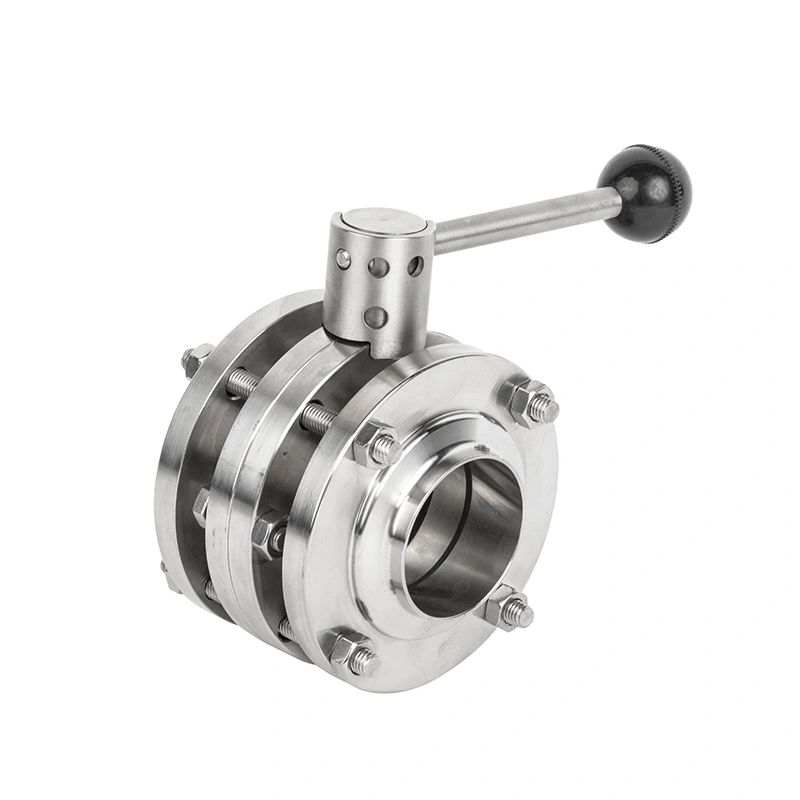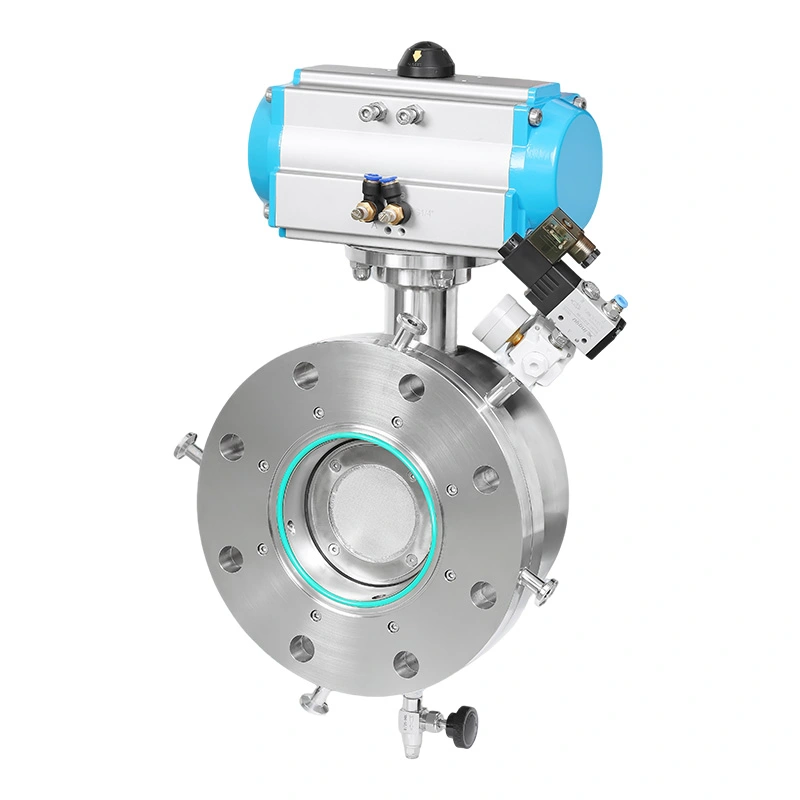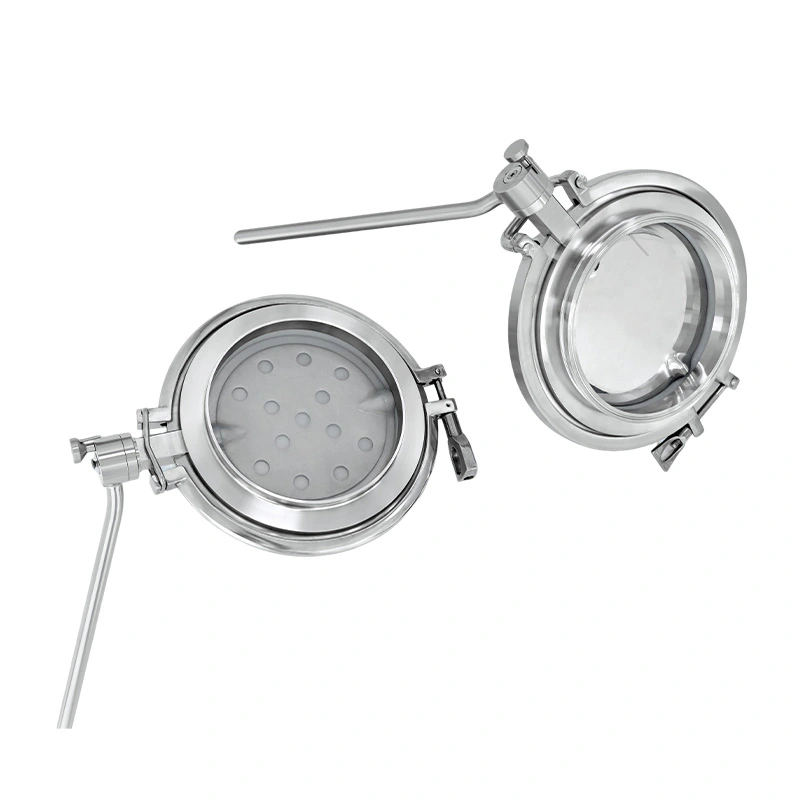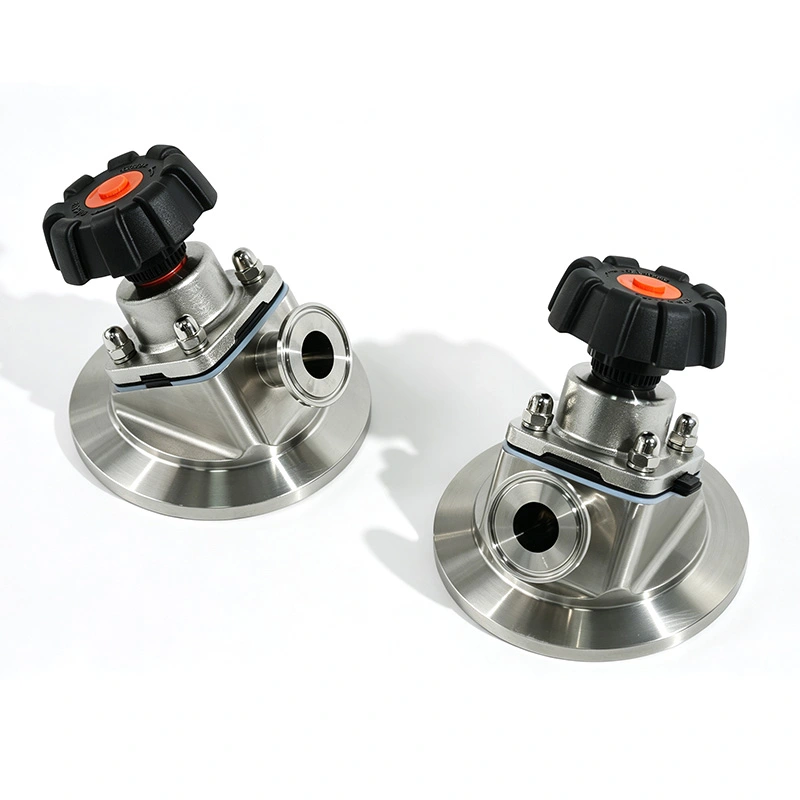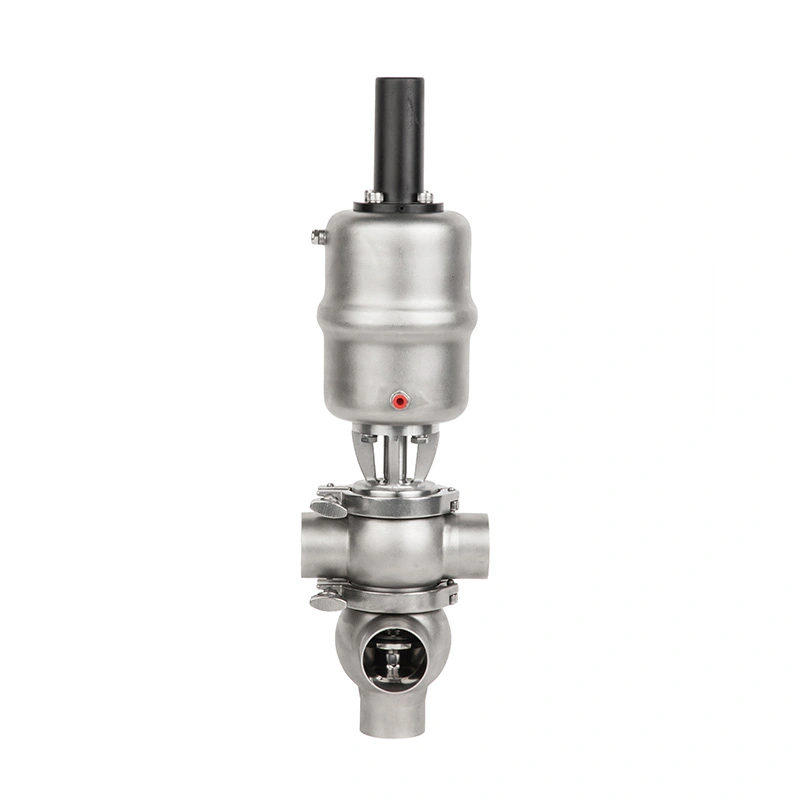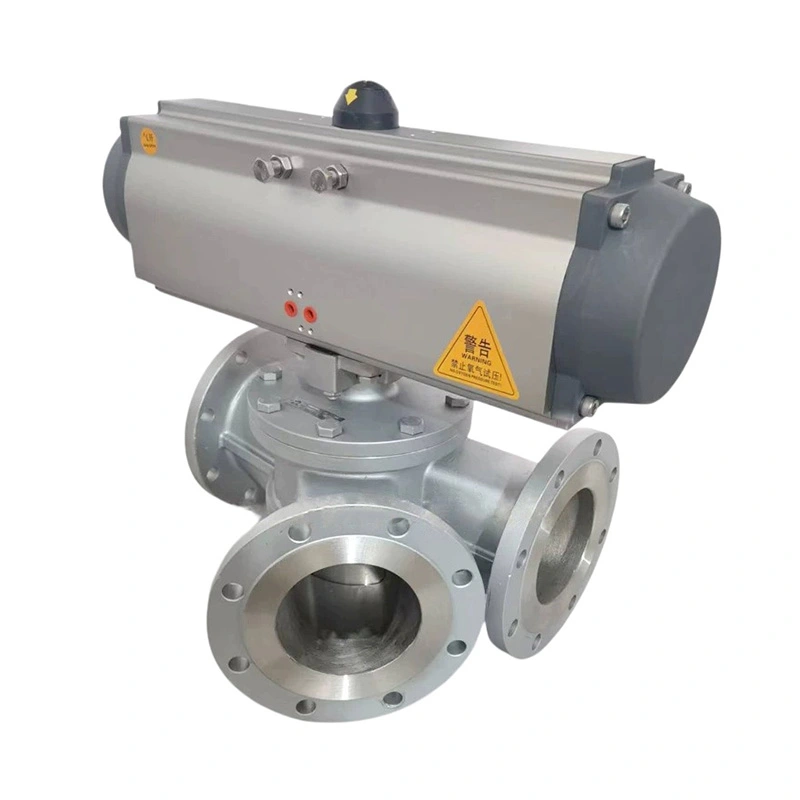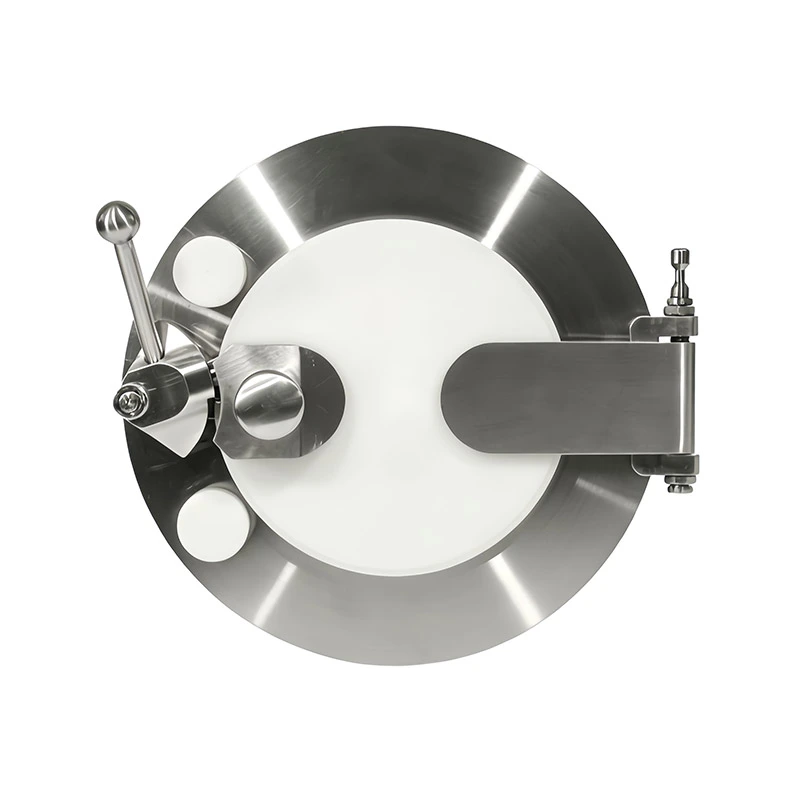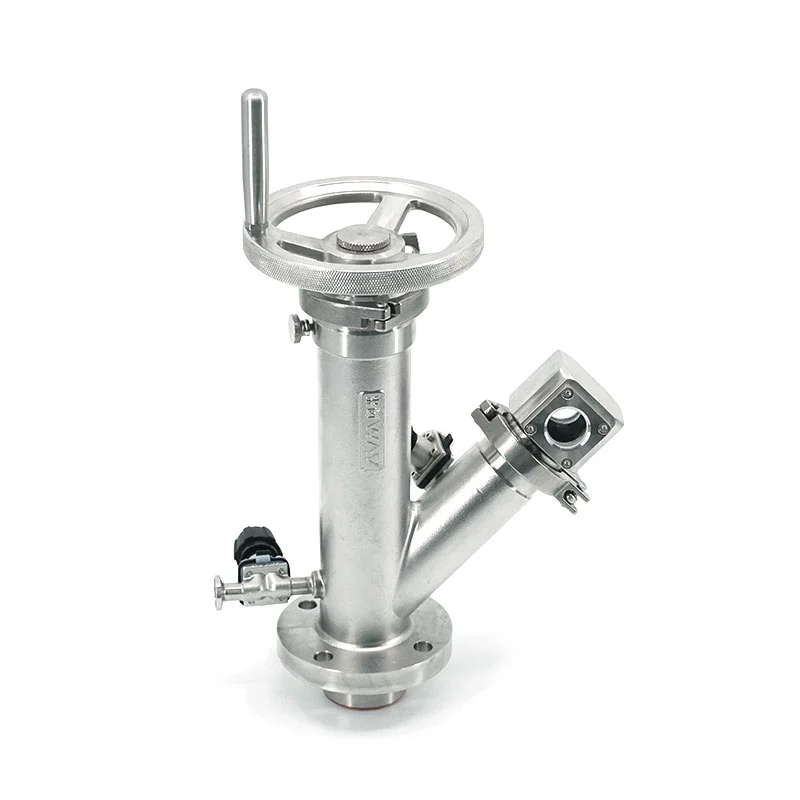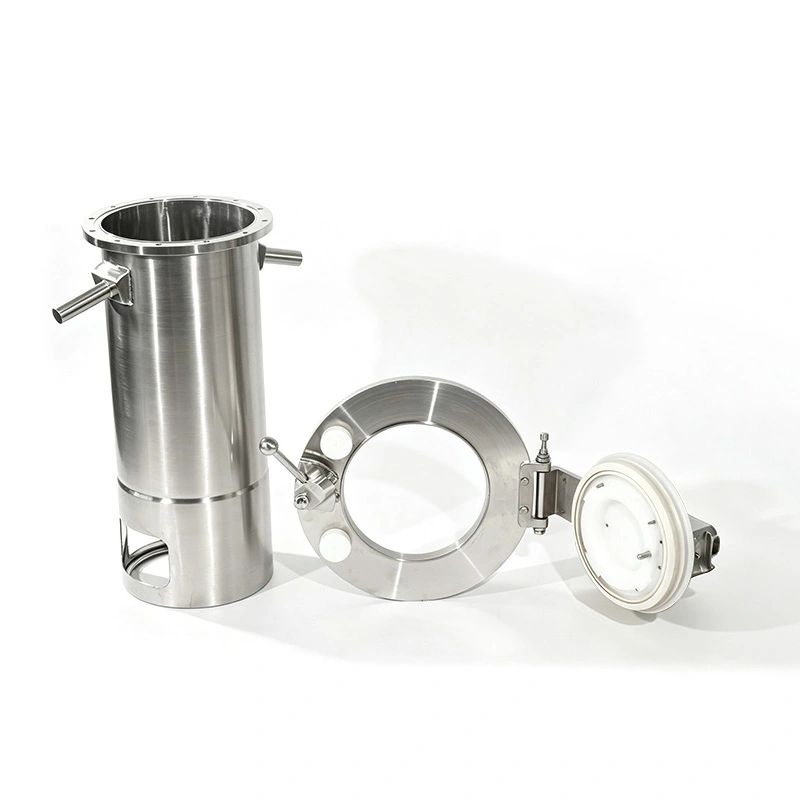

A reliable sampling valve is more than a simple shut-off component. It plays an important role in obtaining representative process samples while reducing contamination, leakage, operator exposure, and product loss. In chemical processing, pharmaceuticals, food and beverage production, petrochemicals, water treatment, and other industrial applications, the right sampling valve can improve sample accuracy and make routine sampling safer and more efficient. This guide explains how sampling valves work, why their design matters, the major types and applications, common installation problems, maintenance practices, and the key technical factors engineers should consider before specifying a sampling solution.
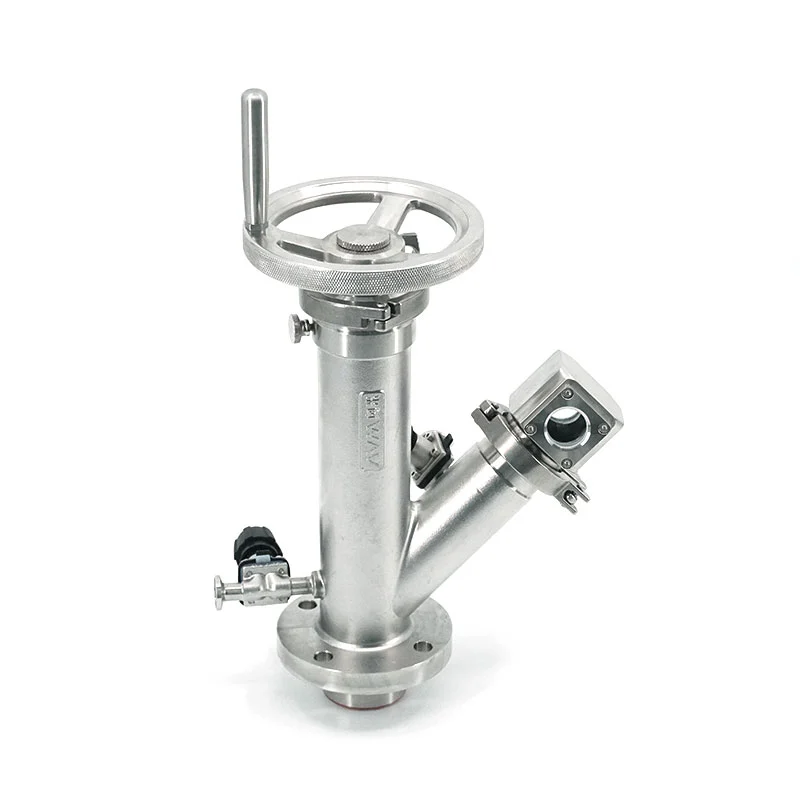
A sampling valve is an industrial valve designed to allow operators or automated systems to collect a controlled quantity of material from a process pipeline, tank, reactor, vessel, or other equipment. Depending on the application, the sample may be a liquid, gas, slurry, or other process medium.
Unlike an ordinary isolation valve, a sampling valve is specifically designed around the requirements of sample collection. The objective is not simply to open and close a flow path. It is to collect a sample that accurately represents the process while maintaining process containment.
This distinction is particularly important when the sampled material is expensive, hazardous, corrosive, sterile, highly viscous, or sensitive to contamination.
Depending on process requirements, sampling valves may incorporate different body materials, sealing arrangements, actuation methods, outlet configurations, and connection standards.
Sampling may appear to be a small part of an industrial operation, but inaccurate or unsafe sampling can create significant operational problems.
The value of laboratory analysis depends heavily on the quality of the sample. If the sample does not accurately represent the process stream, laboratory results may lead operators to make incorrect production decisions.
A properly positioned and designed sampling valve helps reduce dead volume and unwanted contamination, improving the reliability of collected samples.
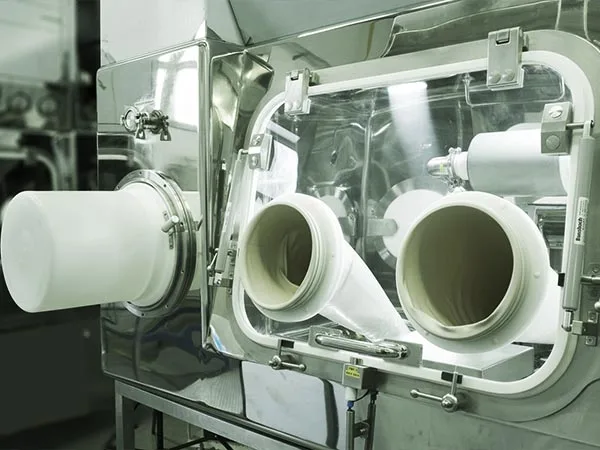
Opening a process line manually without an appropriate sampling arrangement can expose personnel to pressure, temperature, toxic chemicals, or other hazards. A dedicated sampling valve provides a controlled method of accessing the process medium.
In chemical, pharmaceutical, food, and specialty-material manufacturing, even a small quantity of wasted product can become costly over time. Controlled sampling minimizes unnecessary discharge.
A practical sampling system can make routine testing faster. Operators can collect samples using a repeatable procedure rather than improvising connections each time.
The operating principle depends on the specific valve design, but the basic process is straightforward.
For hazardous or high-pressure services, additional isolation, flushing, purge, or containment arrangements may be incorporated.
| Stage | Main Objective | Potential Risk Without Proper Design |
|---|---|---|
| Isolation | Separate process from outlet | Leakage or accidental release |
| Opening | Establish controlled flow | Pressure surge or uncontrolled discharge |
| Collection | Obtain representative sample | Contamination or inaccurate analysis |
| Closure | Restore containment | Continued leakage or product loss |
Industrial sampling requirements vary considerably, so sampling valves are available in different configurations.
The best configuration depends on process medium, pressure, temperature, cleanliness requirements, frequency of sampling, and the desired collection method.
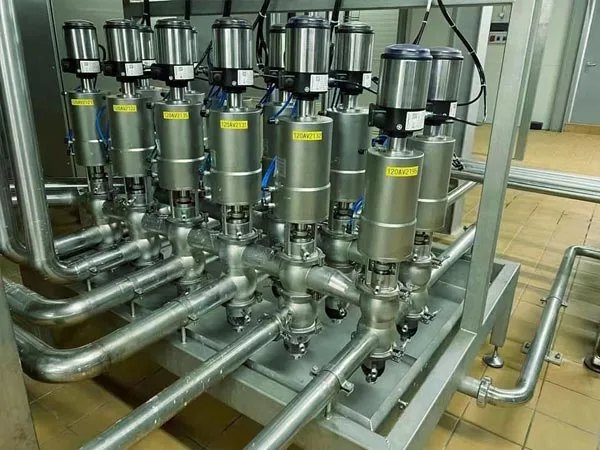
Sampling valves are used across a wide range of process industries because quality control and process monitoring are essential to consistent production.
| Industry | Typical Sampling Purpose | Important Requirement |
|---|---|---|
| Chemical Processing | Composition and process monitoring | Chemical resistance |
| Pharmaceuticals | Quality and batch verification | Cleanability and contamination control |
| Food & Beverage | Product quality testing | Hygienic construction |
| Petrochemical | Fluid composition analysis | Pressure and temperature resistance |
| Water Treatment | Water quality monitoring | Corrosion resistance |
| Energy & Utilities | Process condition monitoring | Reliable sealing |
Specifying a sampling valve based only on pipe size can result in poor performance. Engineers should evaluate the complete process environment.
Identify whether the valve will handle water, oil, gas, chemicals, slurry, pharmaceutical materials, food products, or another medium. Chemical compatibility between the process fluid and wetted materials is essential.
The valve must be rated appropriately for normal operating pressure as well as relevant pressure variations. High-pressure sampling requires particular attention to containment and connection integrity.
Both the valve body and sealing materials must remain suitable across the operating temperature range. Temperature cycling can also affect sealing performance over time.
Stainless steel is widely used in demanding industrial environments because of its strength and corrosion resistance, while specialized alloys or lining materials may be appropriate for more aggressive media.
Dead volume refers to areas where process material can remain trapped. Excessive dead volume may cause sample contamination, residue accumulation, or delayed response during sampling.
The connection should match the process piping and collection equipment. Common requirements may include threaded, flanged, welded, sanitary, or specialized connections.
Manual valves may be suitable for occasional sampling, while automated valves can be advantageous when sampling must be repeated frequently or integrated into a process-control system.
When sampling results are inconsistent, the valve itself may not always be the only problem. Several factors can contribute to poor performance.
| Problem | Possible Cause | Practical Improvement |
|---|---|---|
| Inconsistent samples | Poor sampling location or dead volume | Review valve position and sampling procedure |
| External leakage | Worn seals or incorrect installation | Inspect sealing components and connections |
| Difficult operation | Incorrect valve sizing or deposits | Select a suitable design and maintenance interval |
| Contamination | Residual material in valve cavity | Use low-dead-volume or cleanable designs |
| Excessive product loss | Poor flow control or oversized outlet | Optimize valve and collection configuration |
Even a high-quality sampling valve can underperform when it is installed incorrectly or maintained inconsistently.
For critical applications, preventive maintenance is generally more effective than waiting until a sampling valve begins leaking or becomes difficult to operate.
AVM Extraordinary Intelligent Control Equipment Co., Ltd. focuses on intelligent control equipment and industrial valve solutions designed around practical process requirements. For customers evaluating sampling valve systems, the most important objective is not simply obtaining a valve, but developing a reliable sampling solution that fits the actual process environment.
A professional supplier should be able to discuss application parameters such as medium characteristics, operating pressure, temperature, connection requirements, sampling frequency, installation conditions, and automation requirements before recommending a configuration.
Providing these parameters allows the supplier to assess compatibility more accurately and helps reduce the risk of selecting a valve that is unsuitable for the actual operating environment.
The main purpose is to provide a controlled and safe method for collecting a representative sample from a process system while maintaining process containment.
Yes, sampling valves can be designed for demanding pressure conditions. However, the valve pressure rating, body construction, seals, connections, installation, and sampling procedure must all be appropriate for the actual service conditions.
Common materials include stainless steel and other alloys selected according to corrosion resistance, temperature, pressure, cleanliness, and process-medium requirements. Seal materials should also be checked for chemical and temperature compatibility.
Dead volume can retain previous process material, potentially contaminating the next sample. Low-dead-volume designs can therefore be valuable when sample accuracy and repeatability are important.
Yes. Certain sampling valves can be integrated with actuators, control systems, instrumentation, and automated sampling equipment. Automation can improve repeatability and reduce the need for frequent manual intervention.
There is no universal maintenance interval. The appropriate frequency depends on operating pressure, temperature, medium characteristics, sampling frequency, valve construction, and manufacturer recommendations. Critical services may require more frequent inspection.
Engineers should evaluate the process medium, pressure, temperature, valve materials, sealing materials, connection type, flow requirements, dead volume, sampling method, installation conditions, maintenance requirements, and whether automation is required.
A sampling valve may be a relatively small component within a large process system, but its influence on sample accuracy, process safety, product loss, and operational efficiency can be significant.
The right design helps operators obtain representative samples without unnecessarily exposing personnel or the surrounding environment to process media. It can also reduce contamination, improve repeatability, simplify maintenance, and support automated process monitoring.
For this reason, sampling valve specification should be based on actual process conditions rather than simply valve size or purchase price. Pressure, temperature, medium compatibility, sealing performance, dead volume, connection configuration, sampling frequency, and automation requirements should all be evaluated before installation.
Whether the application involves chemical processing, pharmaceuticals, food and beverage, petrochemicals, water treatment, or another industrial process, a carefully engineered sampling system can provide long-term operational value.
Every process has different requirements. If you need help evaluating valve materials, connection configurations, operating conditions, or sampling requirements, the team at AVM Extraordinary Intelligent Control Equipment Co., Ltd. can discuss your application and help develop a suitable industrial control solution.
Contact us with your process specifications and application requirements to explore a sampling valve solution designed for reliable operation, controlled sampling, and long-term process performance.