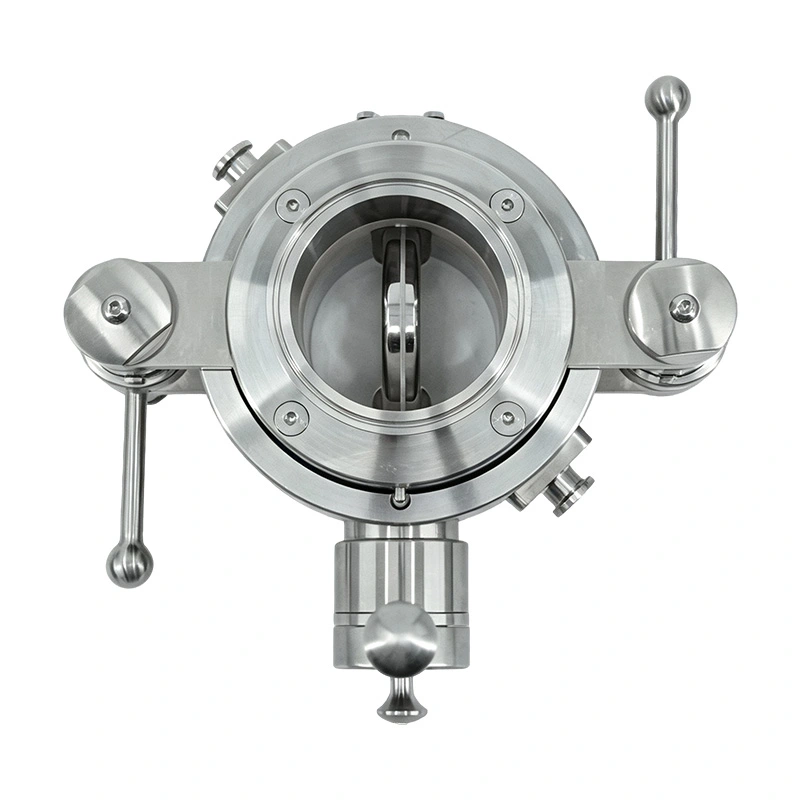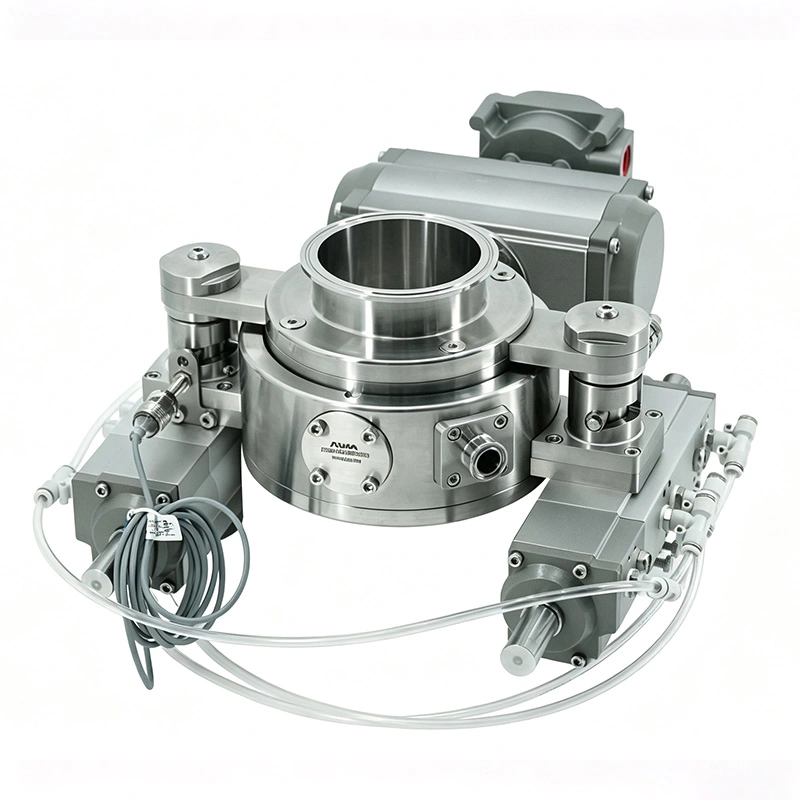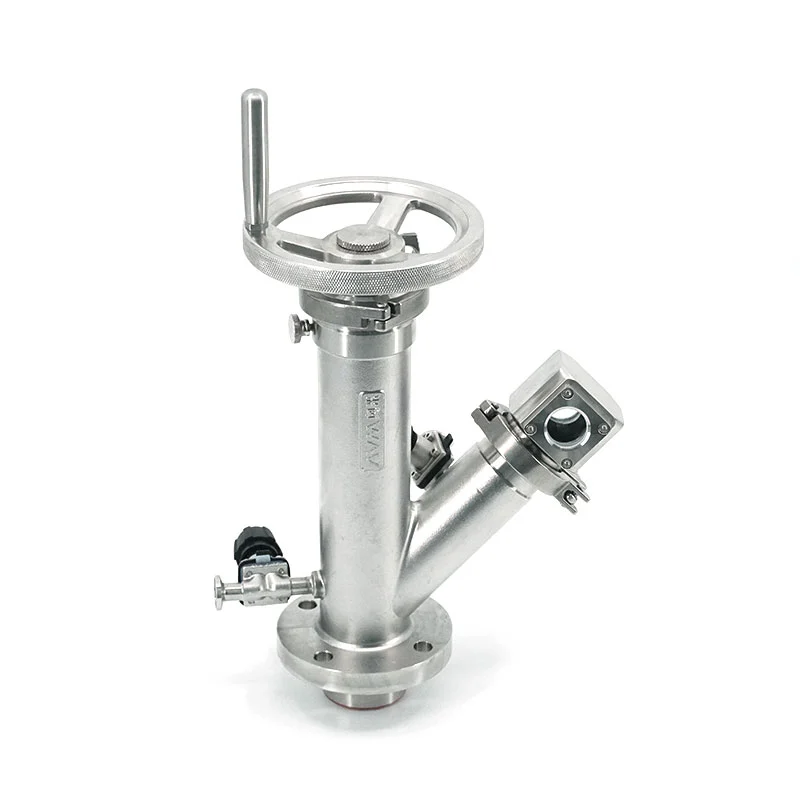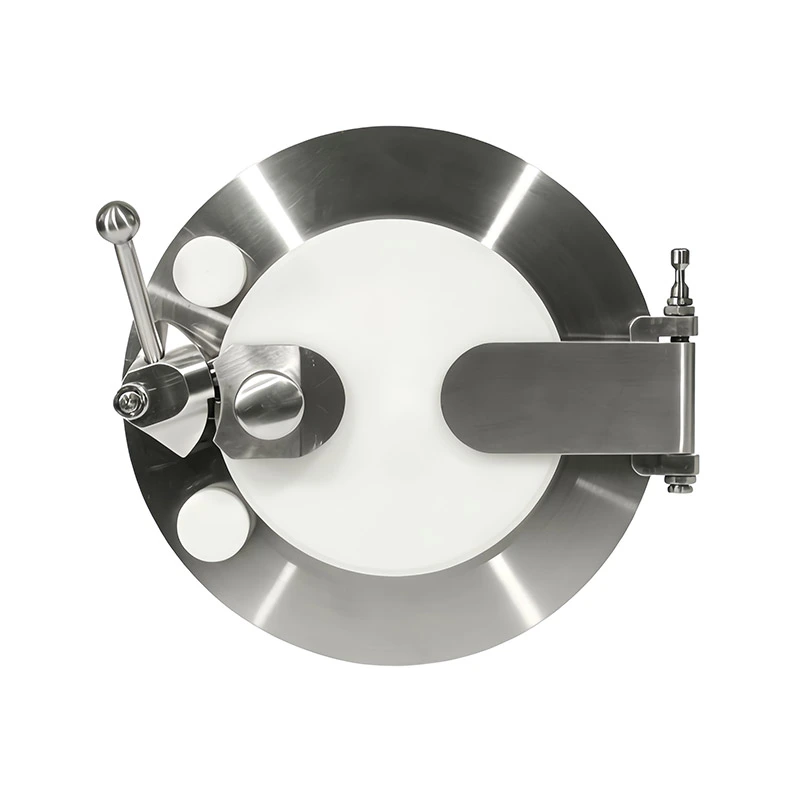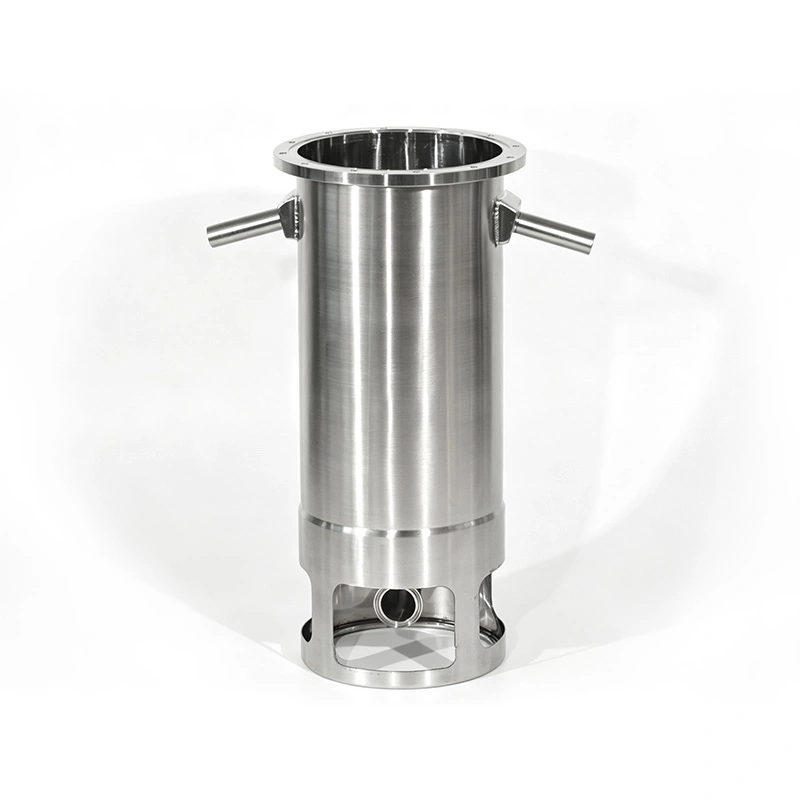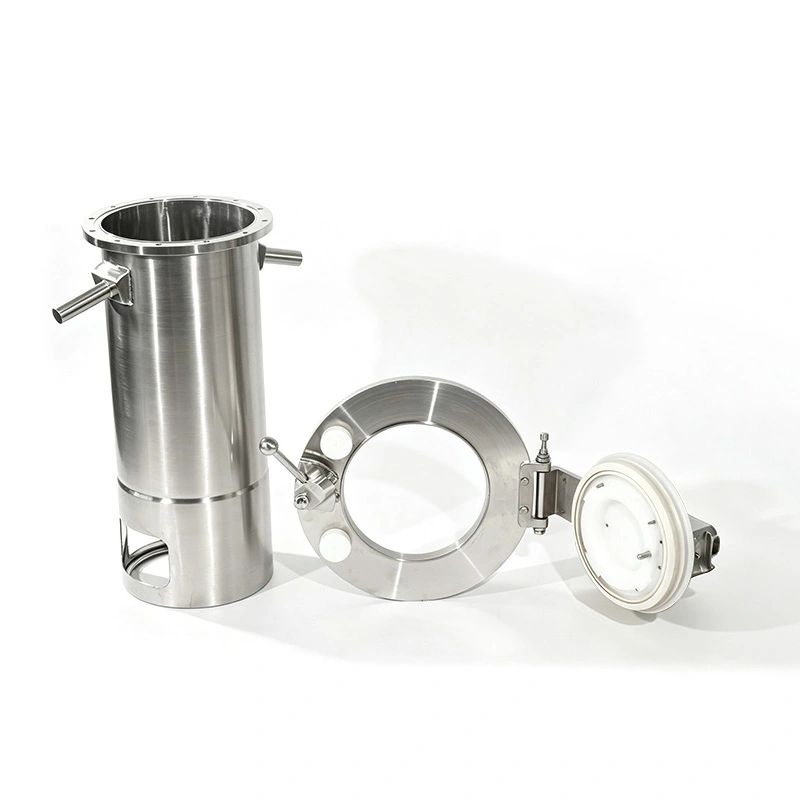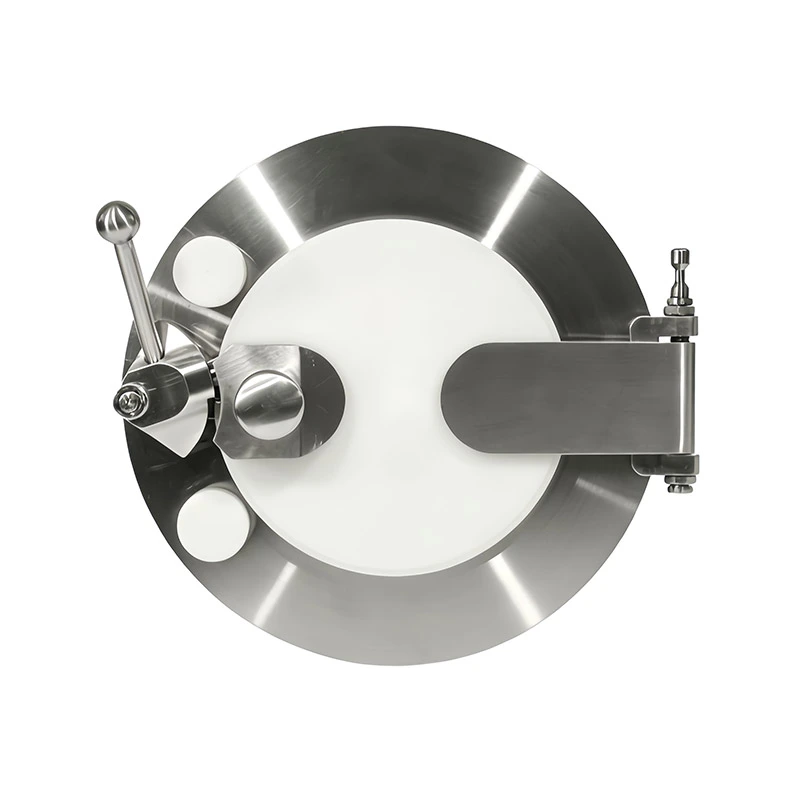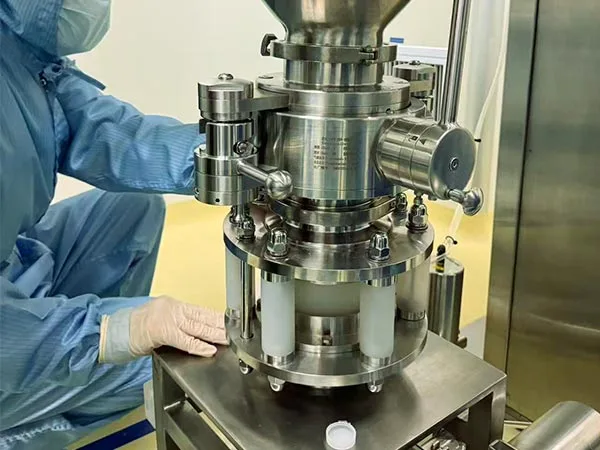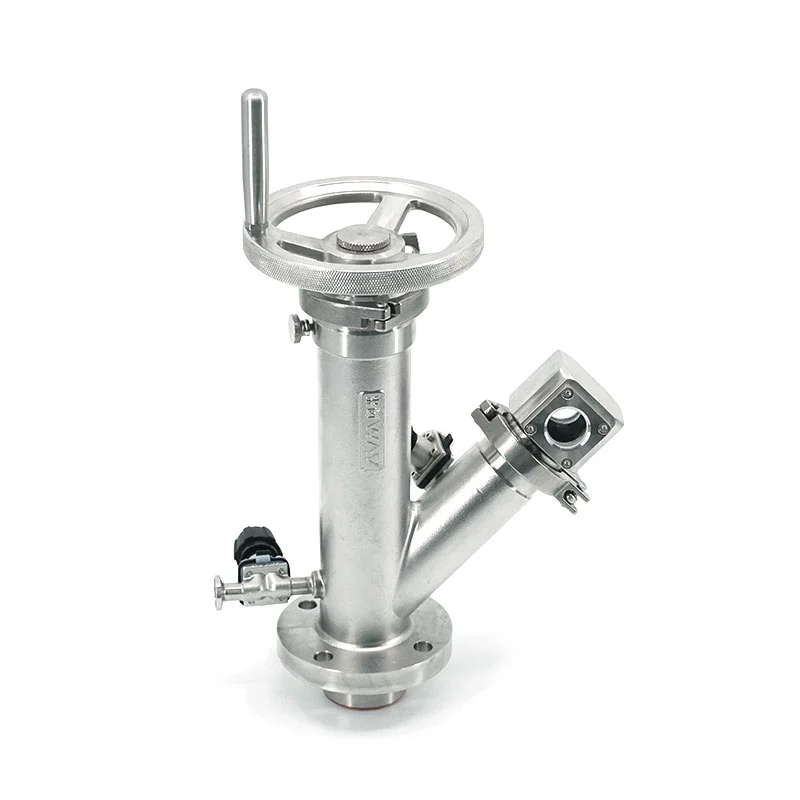
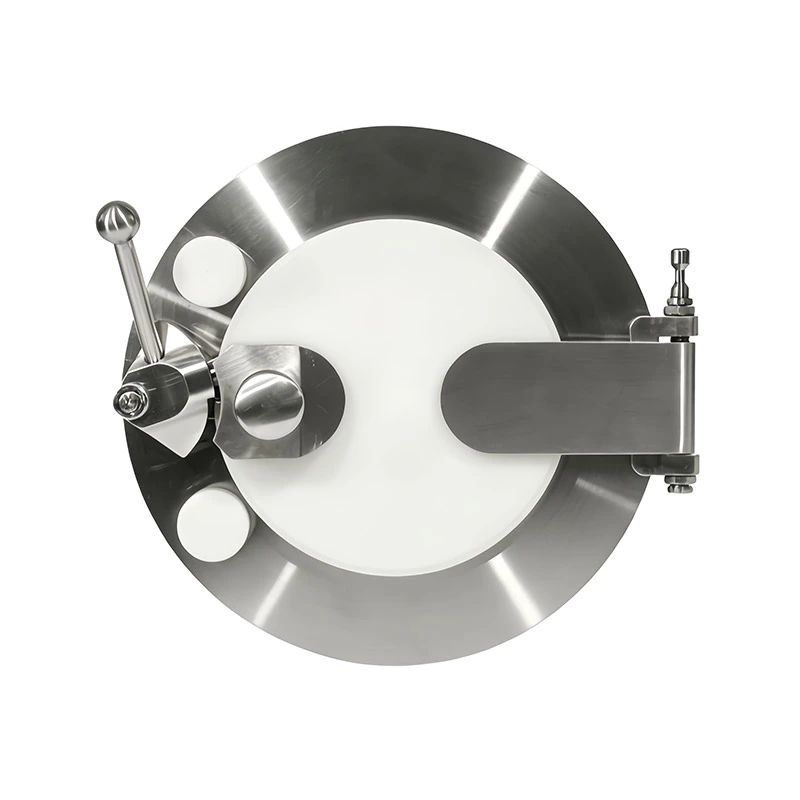
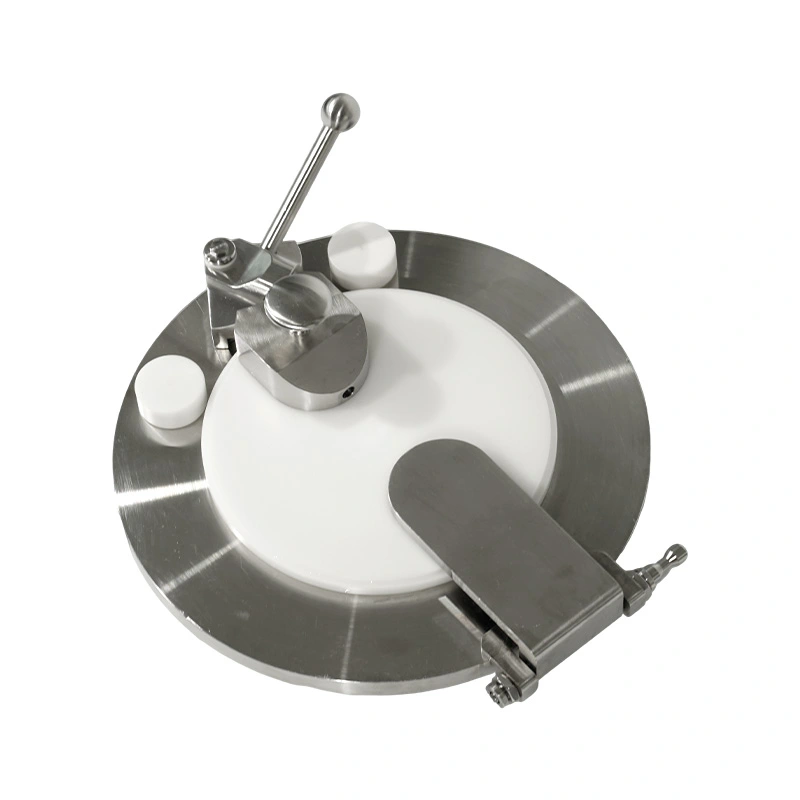
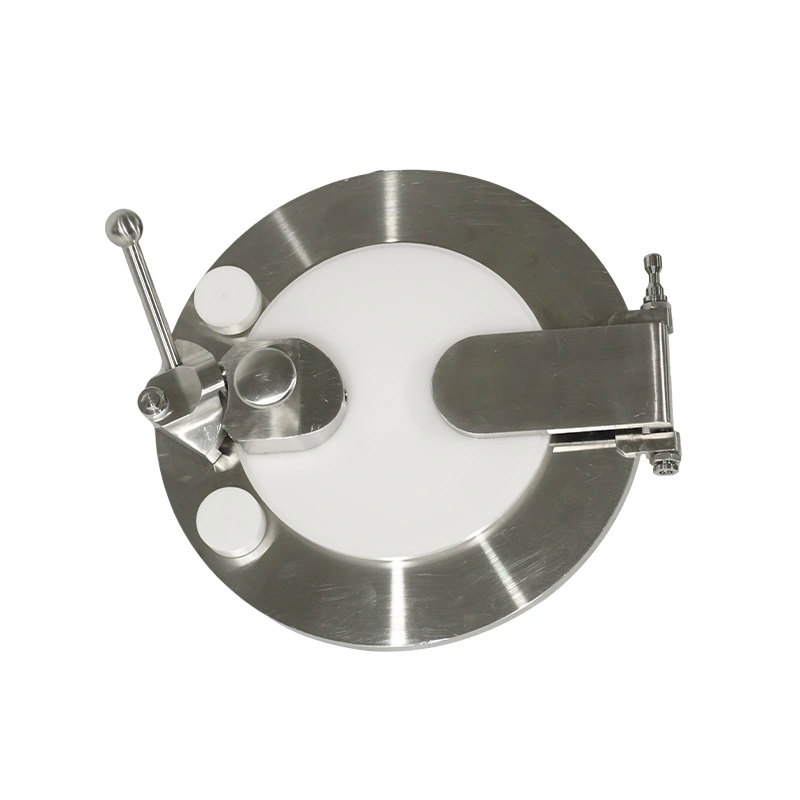
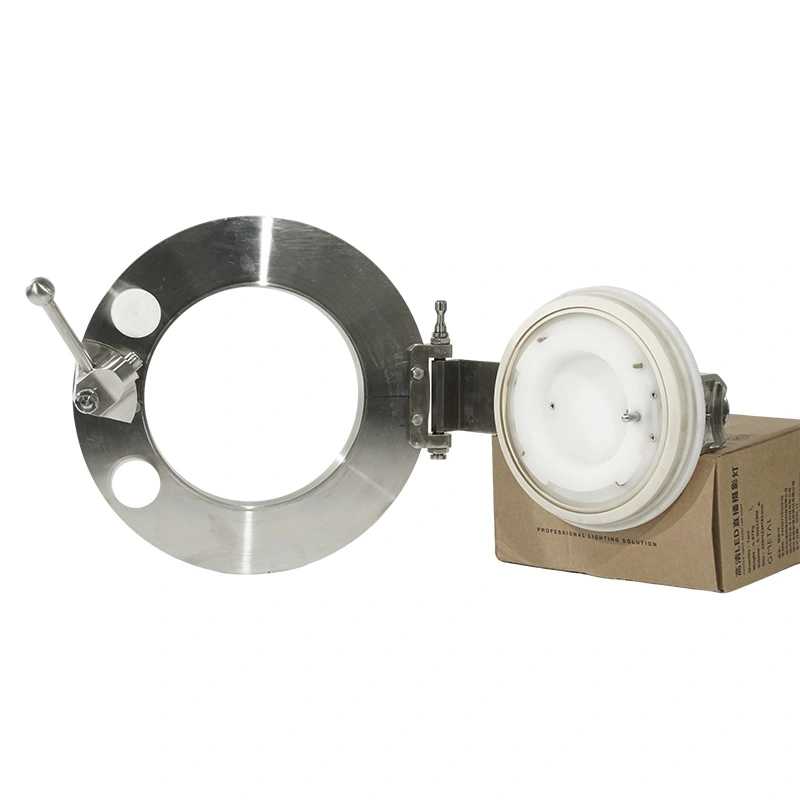
The AVM Aseptic High Containment Alpha Port RTP is a fixed transfer interface installed on isolators, glove boxes, and other sealed processing equipment. Unlike the mobile Beta container, the Alpha Port remains permanently mounted on the equipment and serves as the process-side interface for controlled material transfer.
The port uses an Alpha-Beta mechanical docking structure with an integrated interlock. The Alpha door cannot be opened until the compatible Beta component has been correctly docked and locked, while the Beta component cannot be released until the transfer doors have been closed. This operating sequence helps maintain separation between the contained process area and the external environment.
AVM supplies the Alpha Port for pharmaceutical, biopharmaceutical, high-containment, and cleanroom applications. Product-contact parts use 316L stainless steel, with FKM sealing options meeting FDA 21 CFR 177.2600 requirements. Available sizes include DN105, DN190, DN270, and DN350.
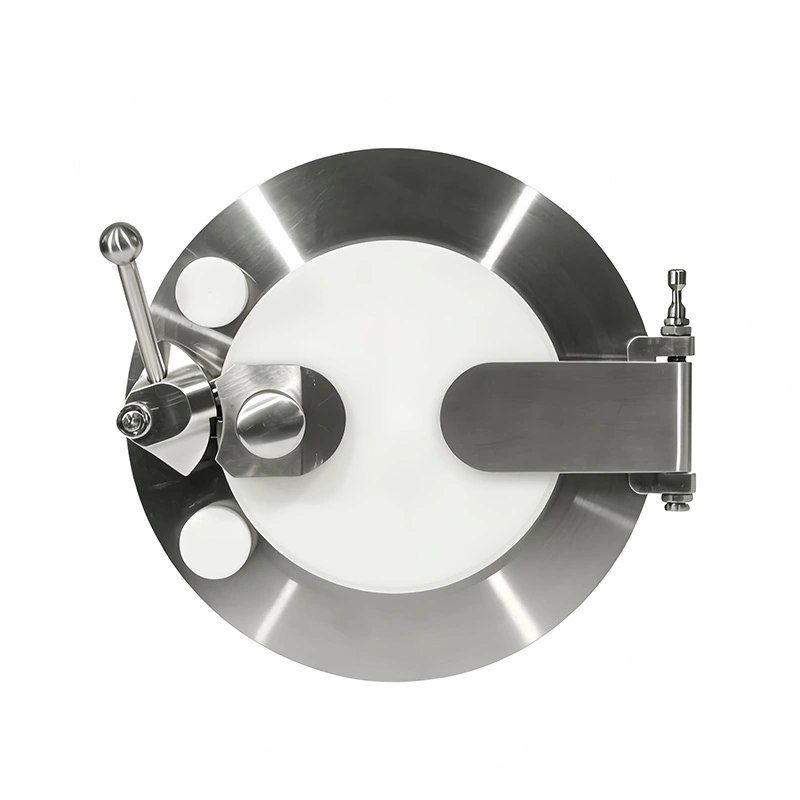
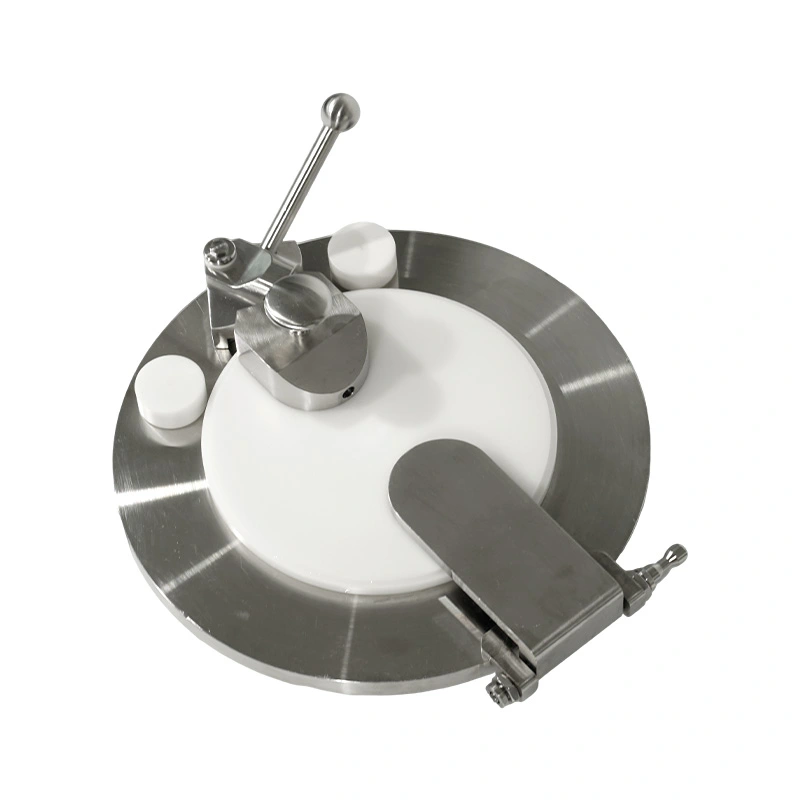
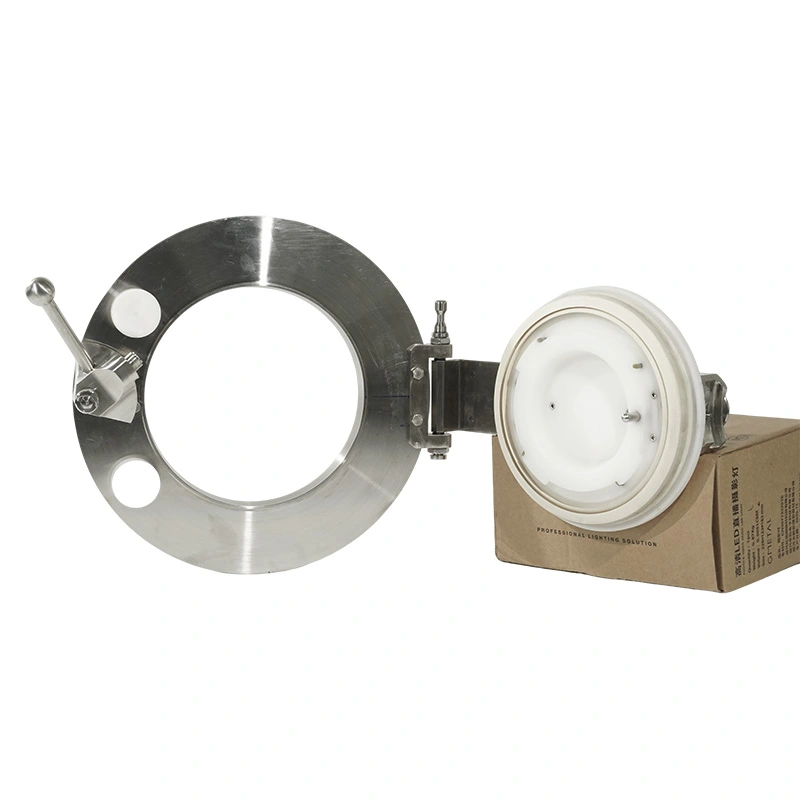
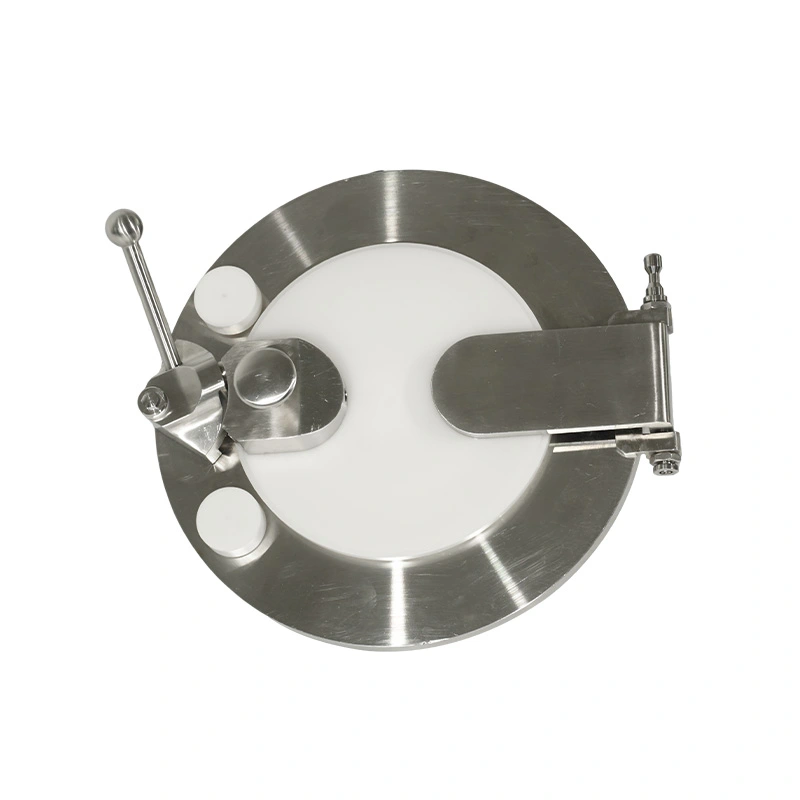
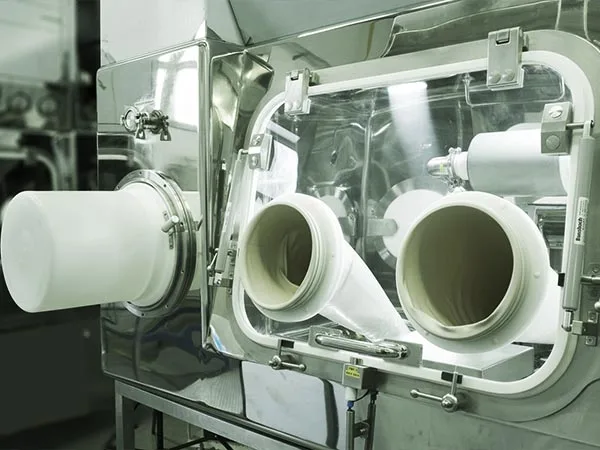
The Aseptic High Containment Alpha Port RTP is permanently mounted to the wall of an isolator, glove box, or other sealed enclosure. Its fixed position provides a consistent connection point for repeated material transfer operations and allows the transfer interface to remain part of the equipment rather than being handled as a separate component.
The Alpha door forms the equipment-side barrier of the transfer interface. When no Beta container is connected, the door remains closed to maintain the isolation of the internal process area.
The docking interface provides the mechanical connection between the fixed Alpha component and the compatible Beta container. Dimensional matching between the two components is required to achieve correct engagement and sealing.
The mechanical interlock connects the docking condition with the door-opening and release sequence. This prevents the operator from bypassing the defined transfer procedure during normal operation.
When the Alpha Port is not connected to a Beta container, the closed door separates the internal enclosure from the surrounding environment. The sealing structure provides the interface required for maintaining the closed condition.
After successful docking, the Alpha and Beta components form a connected transfer opening. Materials can pass through the interface while the main enclosure remains physically separated from the external environment.
After transfer, both doors must return to the closed position before the Beta component can be released. This sequence prevents the Alpha side from remaining unintentionally open after the container has been removed.
The Aseptic High Containment Alpha Port RTP can be configured for compatible stainless steel and plastic Beta containers. The selected Alpha and Beta components must use matching dimensions and docking specifications.
The fixed port can be installed on suitable isolator wall structures. Mounting dimensions, wall thickness, sealing method, and available clearance should be confirmed before equipment fabrication or retrofit.
The same interface concept can be applied to glove box systems where materials need to pass through a controlled barrier without opening the main enclosure directly to the surrounding area.
AVM provides DN105, DN190, DN270, and DN350 configurations. The appropriate size should be selected according to the dimensions of the materials, components, or containers that need to pass through the transfer opening.
For a new isolator or glove box, the Alpha Port can be incorporated into the equipment layout during the design stage. The mounting interface can then be coordinated with the enclosure structure and internal transfer route.
For retrofit projects, the existing equipment should first be checked for wall strength, available installation space, interface dimensions, and sealing conditions. These factors determine whether modification of the enclosure is required.
The installation position should provide sufficient space for Beta container docking, operator access, material movement, and routine inspection. The transfer route should also avoid interference with other equipment or containment components.
The Beta component must reach the required docking position before the mechanical interlock permits the next operation. This provides a physical confirmation that the two components are correctly engaged.
The transfer doors are operated according to a defined sequence rather than independently. Opening is permitted only after docking, while release is permitted only after the doors have returned to the closed position.
The mechanical operating principle allows the Alpha Port to function without relying entirely on electronic control. This can be useful for applications where a simple physical interlock is preferred as part of the containment system.
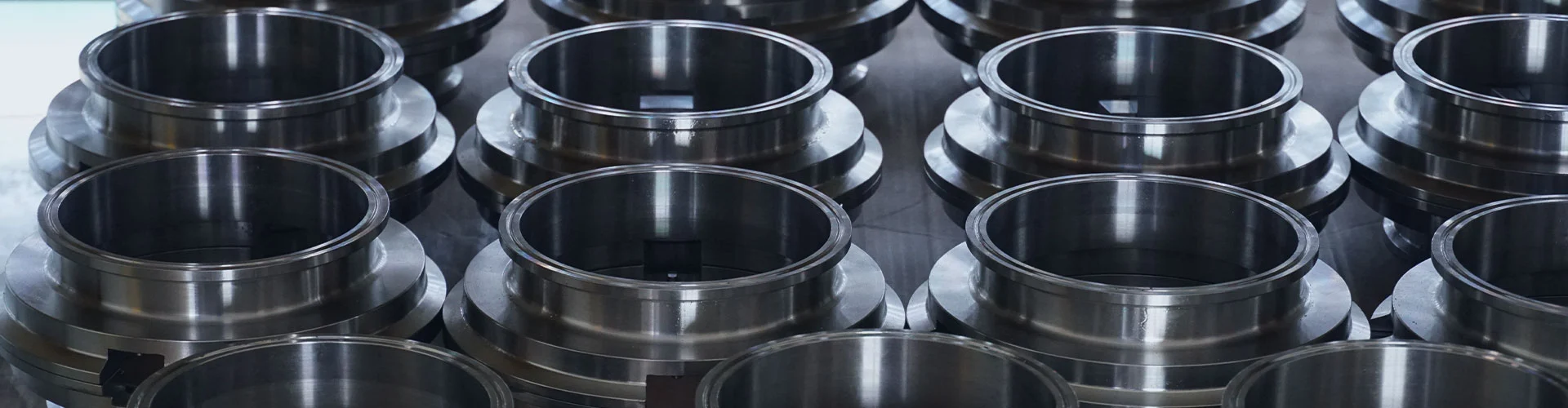
Product-contact parts are manufactured from 316L stainless steel. This material is suitable for pharmaceutical equipment requiring corrosion resistance and controlled surface conditions.
The product-contact surface can be finished to Ra ≤ 0.4 μm. The polished surface helps reduce particle retention and supports routine cleaning and inspection.
FKM VITON is available as the sealing material and can meet FDA 21 CFR 177.2600 requirements. Seal selection should consider the transferred material, cleaning agents, temperature, and disinfection process.
Vaporized hydrogen peroxide can be used for suitable decontamination procedures. The applicable cycle should be established according to the complete isolator or containment system.
For compatible applications, exposed surfaces can be cleaned by wiping with 75% IPA. The actual concentration, contact time, and cleaning frequency should follow the validated site procedure.
High-temperature steam disinfection can be considered when the selected materials and equipment configuration support the required temperature and exposure time.
Port size should be determined from the largest item or container that must pass through the interface. AVM provides four standard sizes from DN105 to DN350 for different transfer requirements.
The project should specify whether stainless steel or plastic Beta containers will be used. This information is important when confirming the docking and sealing interface.
The port can be specified for new equipment or an existing isolator retrofit. For retrofit applications, existing wall dimensions and structural conditions should be provided during technical evaluation.
AVM operates under an ISO 9001 quality management system. CE and FDA-related requirements can be addressed according to the selected configuration and project specifications.
| Item | Standard Parameter |
| Available Sizes | DN105, DN190, DN270, DN350 |
| Product Contact Material | 316L Stainless Steel + Medical-Grade POM |
| Sealing Material | FKM (VITON), FDA 21 CFR 177.2600 Compliant |
| Contact Surface Finish | Ra ≤ 0.4 μm |
| Safety Structure | Mechanical Alpha-Beta Interlock |
| Decontamination | VHP, 75% IPA Wiping, High-Temperature Steam Disinfection |
| Installation | Isolators, Glove Boxes, Sealed Equipment |
| Compatible Containers | Stainless Steel and Plastic Beta Containers |
| Quality Management | ISO 9001 |
| Additional Compliance | CE and FDA Requirements According to Selected Configuration |
The AVM Aseptic High Containment Alpha Port RTP is suitable for pharmaceutical production, biopharmaceutical processing, high-potency API handling, isolator systems, glove boxes, cleanroom material transfer, and laboratory containment applications.
Typical transfer materials include pharmaceutical raw materials, APIs, sterile components, production tools, samples, consumables, and other items that require controlled movement between contained and external areas.
A domestic biopharmaceutical manufacturer producing high-activity anti-tumor drugs was using an older transfer port on its isolator. The original interface lacked a mechanical interlocking structure, making it difficult to maintain a consistent transfer sequence and resulting in corrective actions during GMP inspections.
The manufacturer selected AVM Aseptic High Containment Alpha Port RTP units in DN190 and DN270 sizes for installation on existing isolators. The ports were matched with stainless steel Beta containers used for API transfer within the cleanroom production area.
After installation and commissioning, the transfer procedure was standardized around docking, mechanical locking, door operation, and controlled release. After one year of operation, the production workshop reported no transfer-related contamination or leakage incidents and successfully completed its GMP compliance audit. The standardized interface also simplified routine disinfection and inspection procedures.
An Alpha Port is the fixed equipment-side component of an Alpha-Beta rapid transfer system. It is permanently installed on an isolator, glove box, or other sealed enclosure and connects with a compatible Beta component during material transfer.
The core docking and safety functions are based on a mechanical interlocking structure. This allows the transfer sequence to be physically controlled without making electronic control the only safeguard.
Yes. The Alpha Port can be considered for existing isolators and glove boxes. Before retrofit, the equipment wall, mounting dimensions, sealing structure, and available clearance should be evaluated.
The port can be configured for compatible stainless steel and plastic Beta containers. The Alpha and Beta components need to match in size, docking structure, and sealing interface.
Available sizes include DN105, DN190, DN270, and DN350. Selection should be based on the required transfer opening, material dimensions, container size, installation space, and connected equipment interface.
FKM VITON is available and can meet FDA 21 CFR 177.2600 requirements. The final seal specification should be selected according to the material being transferred and the cleaning or decontamination process.
AVM has ISO 9001, CE, and FDA-related compliance capabilities for applicable configurations. The exact documentation package should be confirmed according to the product model and project requirements.
Address
No. 373 Oufan Road, Dongtou District, Wenzhou City, Zhejiang Province, China
Tel