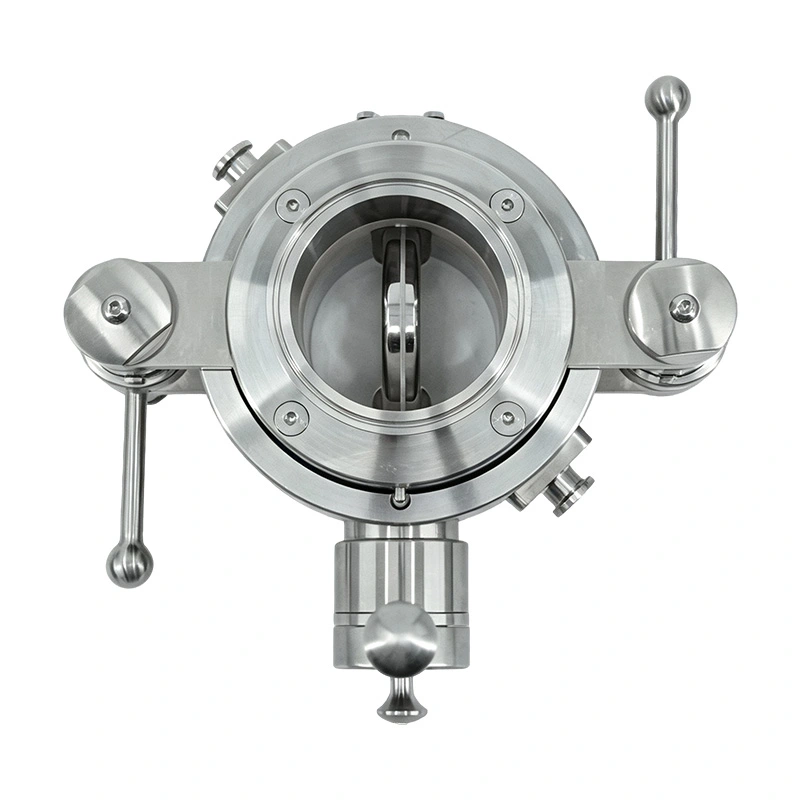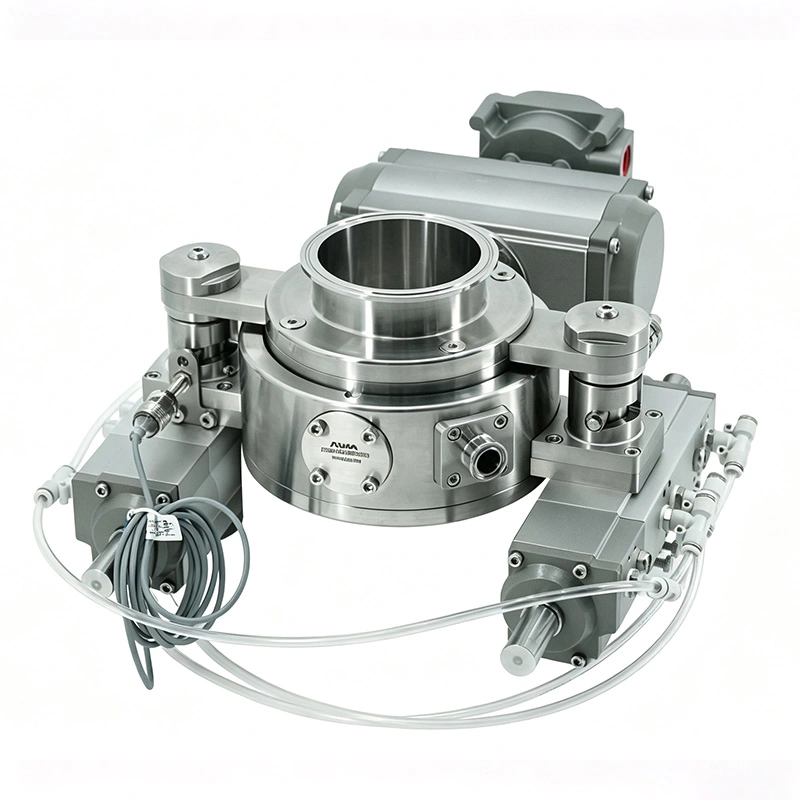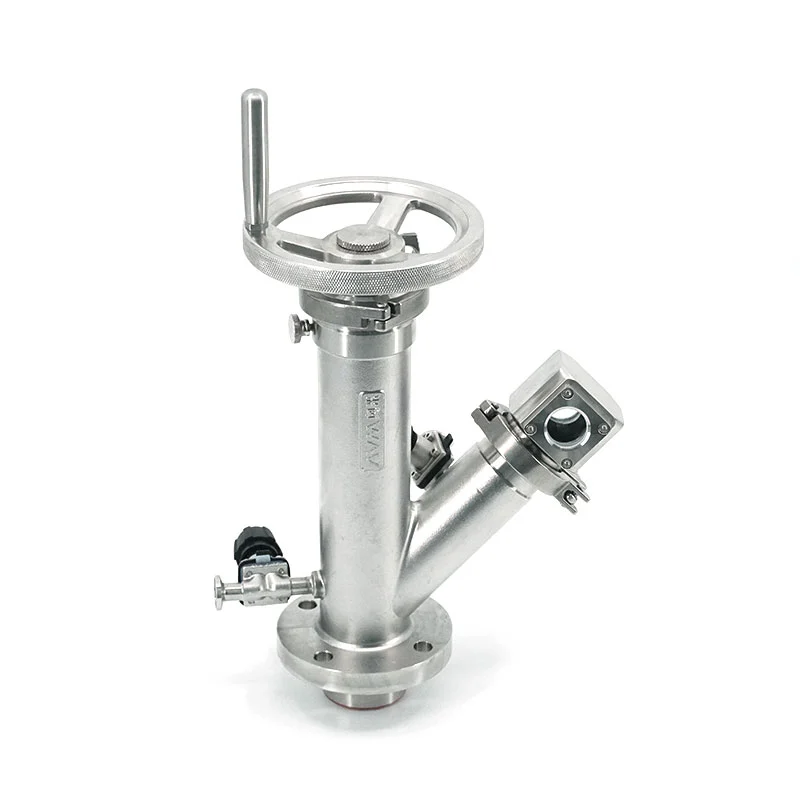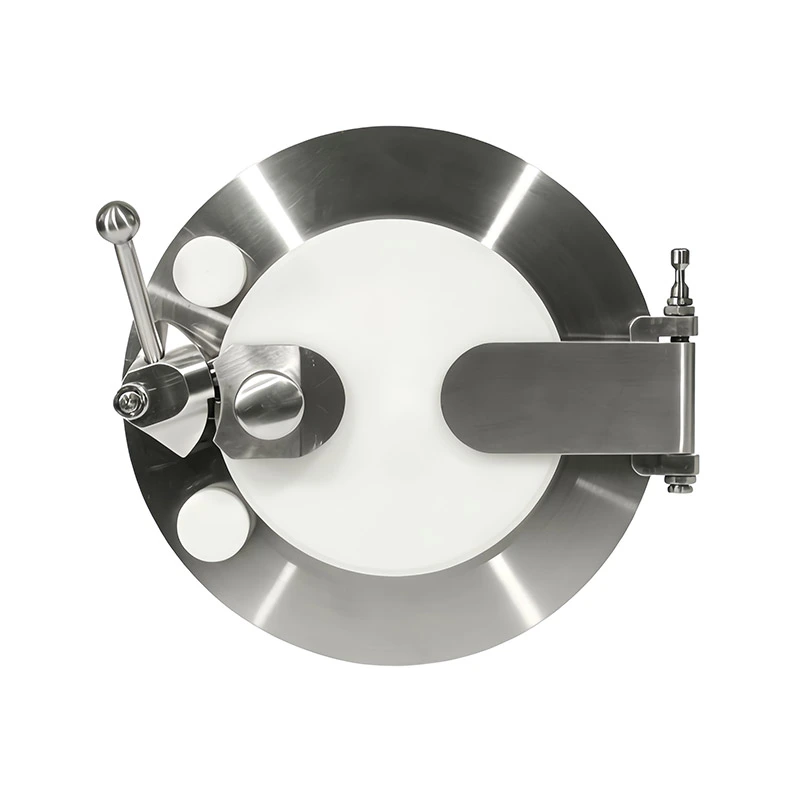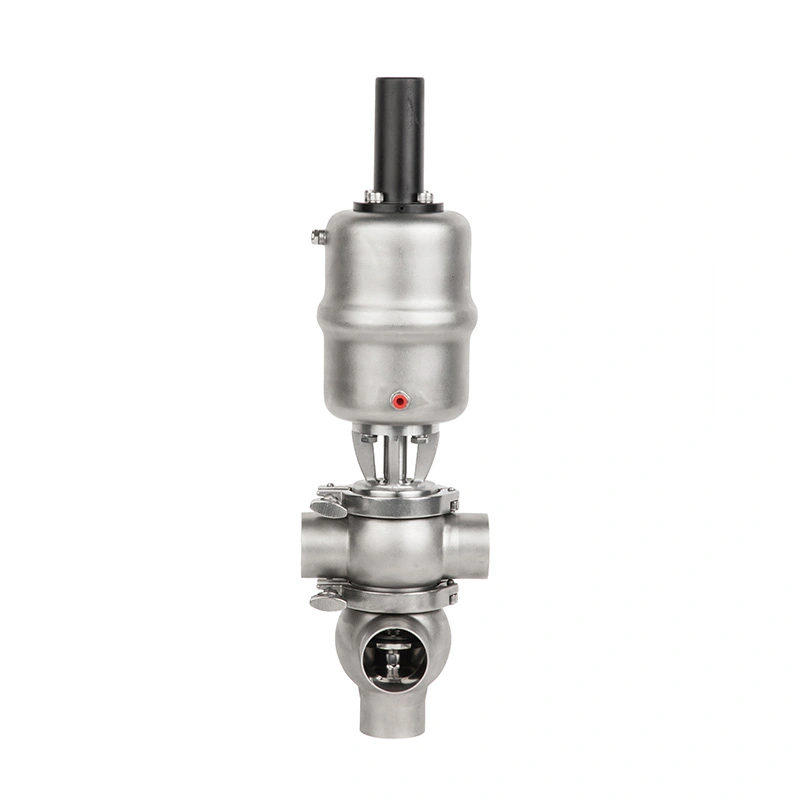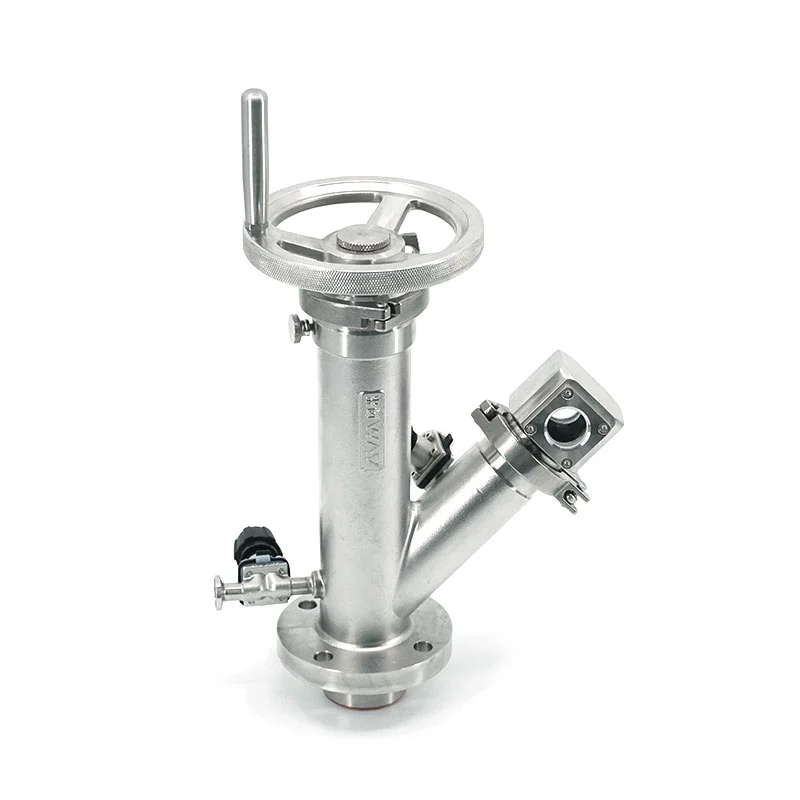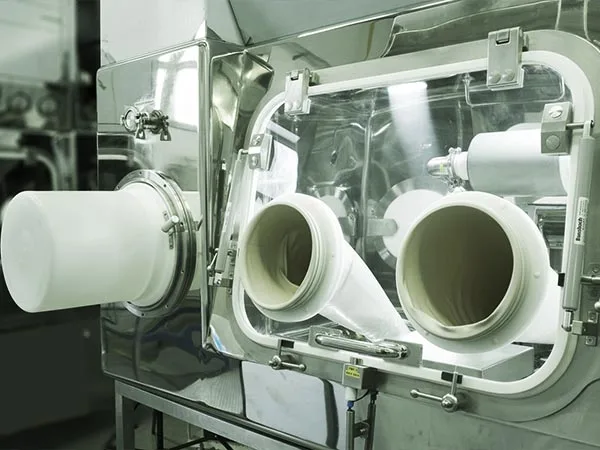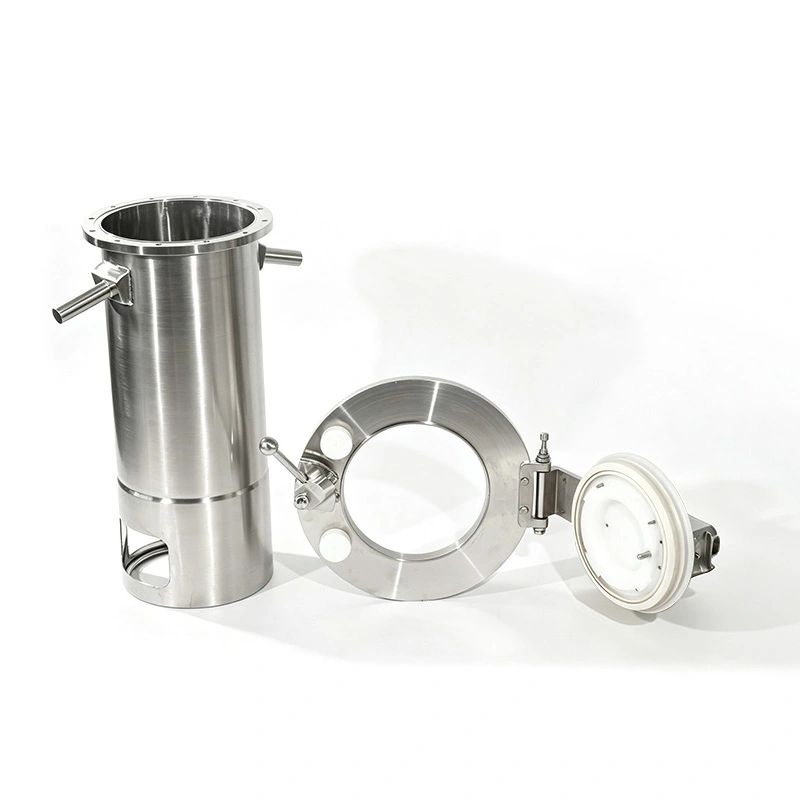
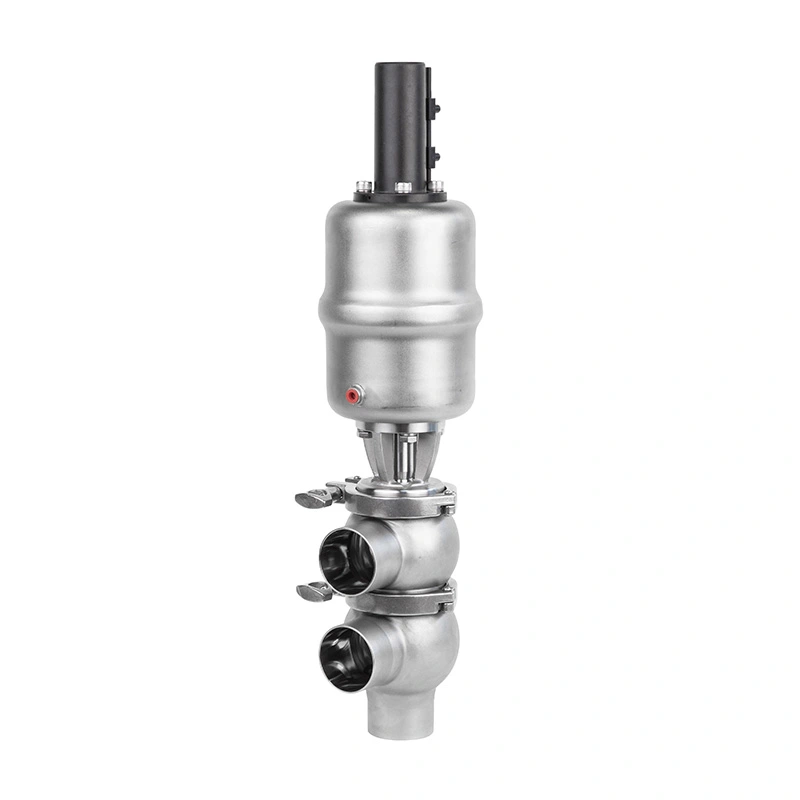
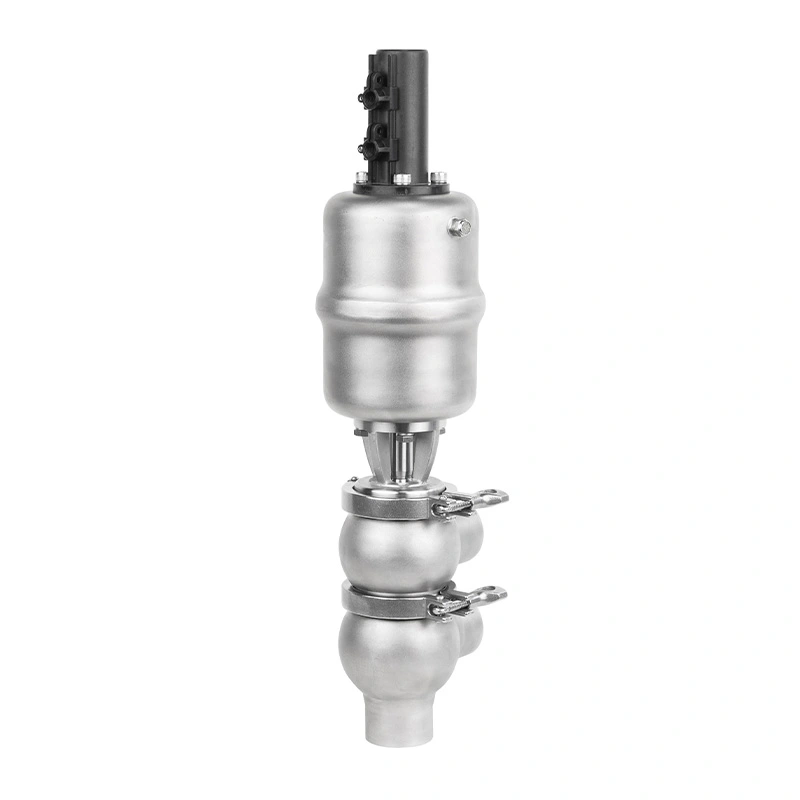
With a compact single-seat structure, 316L stainless steel product-contact components, smooth internal surfaces, and manual or pneumatic operation, the AVM Sanitary Single-Seat Shut-Off Valve provides a practical solution for hygienic fluid isolation in food, beverage, dairy, brewery, pharmaceutical, biotechnology, cosmetic, and sanitary chemical processing.
Its CIP/SIP-compatible construction reduces the need for frequent dismantling, while FDA-compliant sealing options and sanitary connection standards allow the valve to be integrated into different hygienic processing systems.
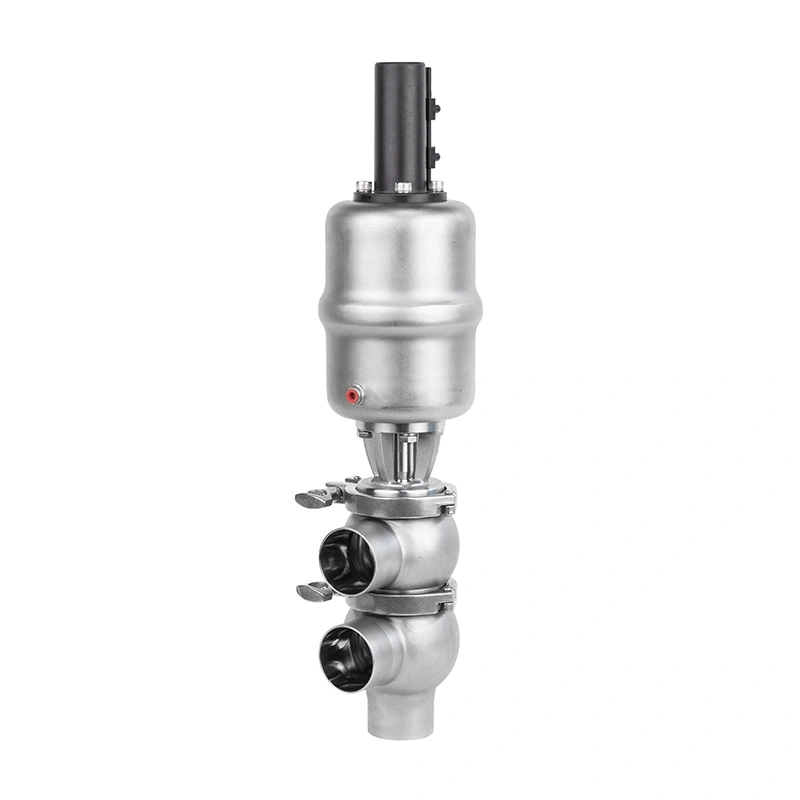
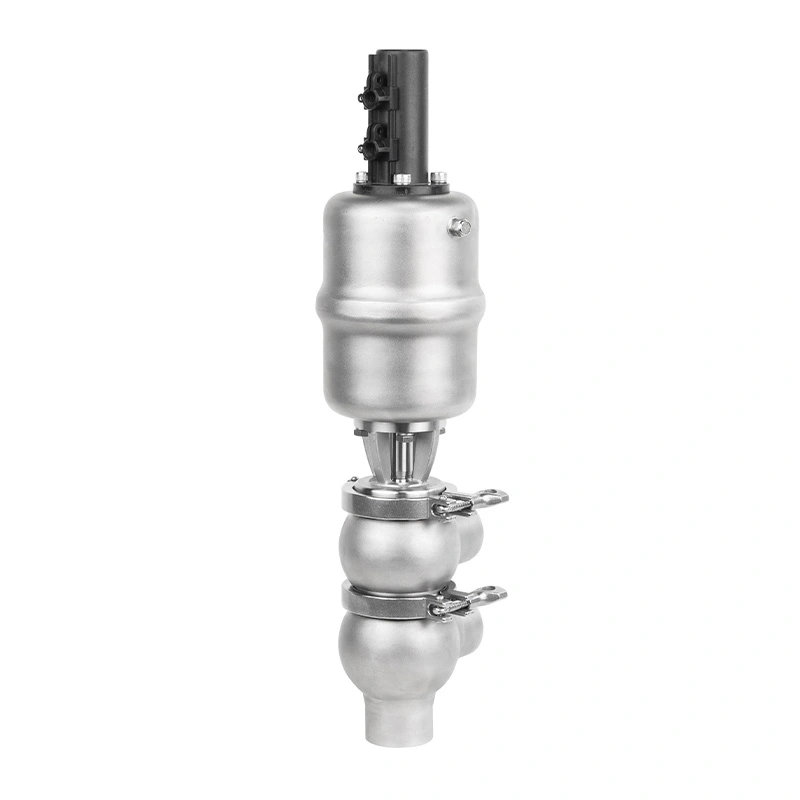
The AVM single-seat shut-off valve is primarily designed to open or close a process line, providing a straightforward way to isolate equipment, pipelines, tanks, and processing sections.
Its simple operating principle makes it suitable for applications where reliable flow isolation is more important than complex flow routing.
A precision-machined valve seat works together with the selected sanitary seal to create a reliable sealing interface. This helps minimize unwanted leakage when the valve is closed, even when the process experiences changes in pressure or temperature within the specified operating range.
Compared with more complex multi-seat valve arrangements, the single-seat structure provides a compact configuration that is easier to install and maintain.
It can be used at pipeline branches, equipment inlets and outlets, tank connections, and other points where dependable isolation is required.
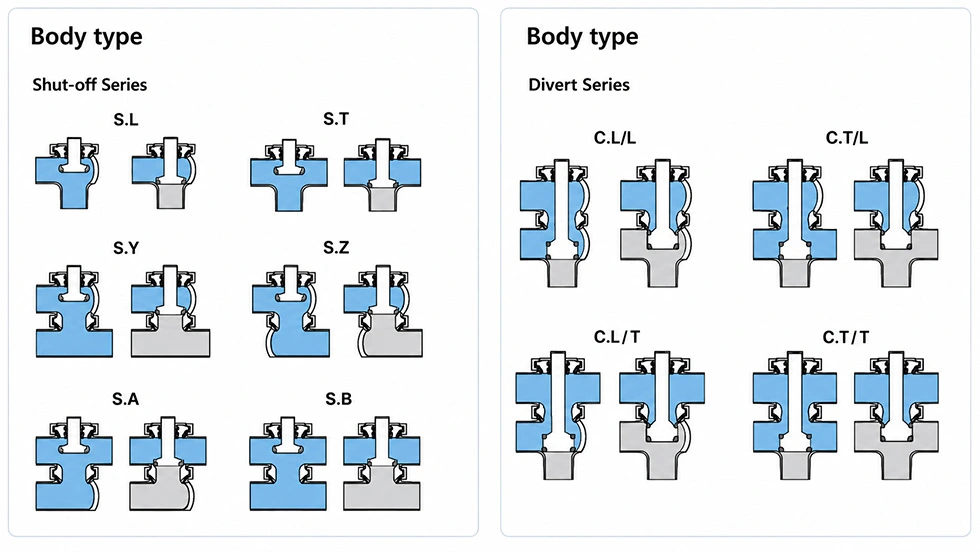
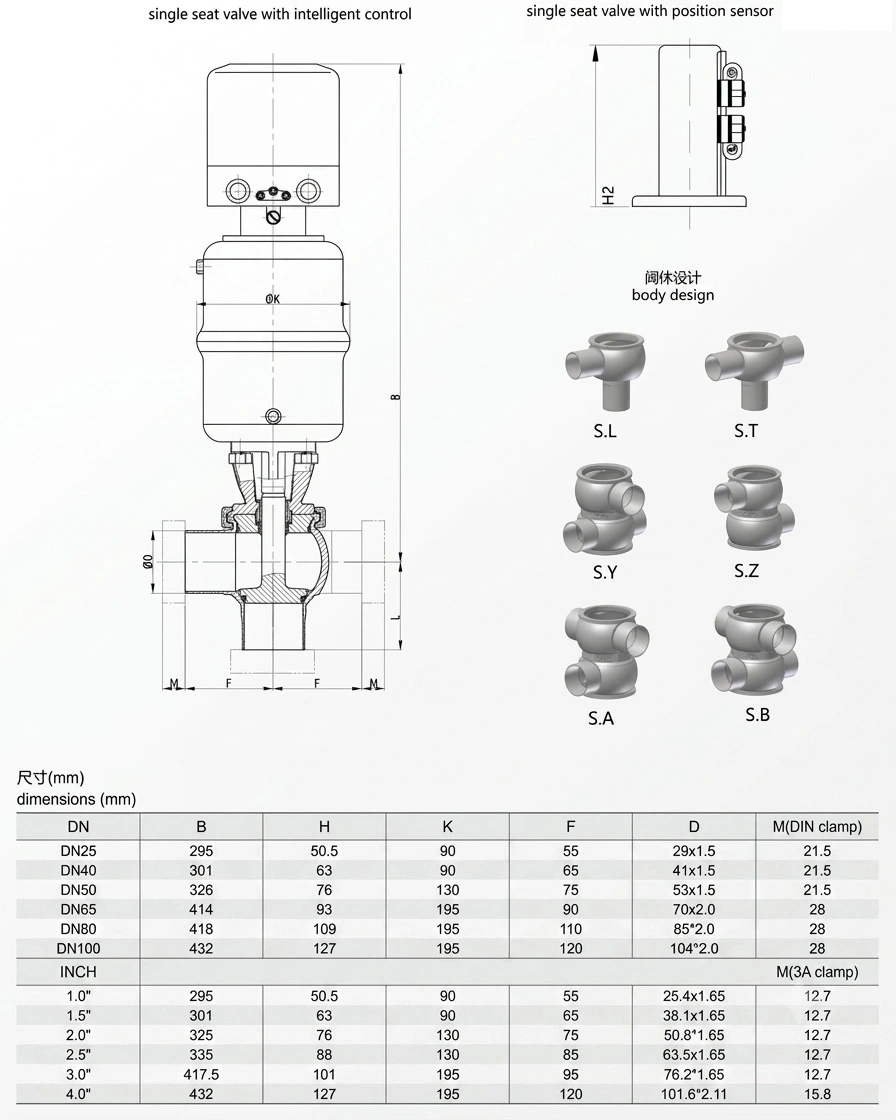
The internal flow path is designed to minimize dead spaces where product residue, cleaning fluid, or microorganisms could accumulate.
This is particularly important in applications where production batches are changed frequently or where strict hygienic control is required.
The internal surface finish can reach Ra ≤0.4–0.8 μm, with electropolishing available as an option. A smooth surface helps reduce product adhesion and supports more effective cleaning during CIP cycles.
The valve body and internal product-contact components are manufactured from sanitary-grade stainless steel, with ASTM 316L / 1.4404 stainless steel available for demanding hygienic applications.
The material provides corrosion resistance against compatible process media and repeated cleaning agents.
The valve is designed for hygienic processing systems requiring 3-A sanitary standards, while available EPDM, Silicone, and FKM seals use FDA-compliant materials.
For pharmaceutical, food, and beverage applications, buyers can select the appropriate configuration according to their regulatory and process requirements.
The streamlined internal structure allows cleaning fluids to pass through the valve during CIP operations, helping remove residual product without requiring routine disassembly.
The valve can be configured for repeated sterilization cycles, with the applicable temperature determined by the selected seal material and valve configuration.
The valve structure allows key wear components to be accessed for inspection and replacement. Regular seal inspection can help identify wear before it affects process reliability.
The combination of a simple single-seat structure, replaceable sealing components, and easy-access construction helps reduce maintenance time compared with more complicated valve assemblies.
Manual operation provides a straightforward solution for pipelines where valve switching is performed by operators and automatic control is not required.
A normally closed configuration keeps the valve closed when pneumatic control is not applied, making it suitable for process lines where a closed position is preferred as the default operating state.
A normally open configuration allows the valve to remain open under the defined default condition and can be selected according to the process control strategy.
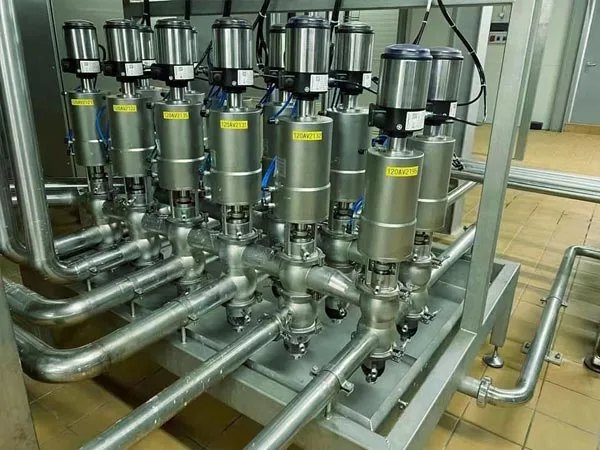
The double-acting configuration provides pneumatic control for both opening and closing operations, making it suitable for automated production systems requiring controlled valve movement.
Optional position feedback units, control tops, solenoid valves, and intelligent controllers allow the AVM valve to be connected to automated process control systems.
| Parameter | Specification |
| Product | Sanitary Single-Seat Shut-Off Valve |
| Brand | AVM |
| Valve Type | Sanitary Shut-Off / Hygienic Isolation Valve |
| Available Sizes | DN10–DN100; specific standard configuration DN25–DN100 / 2"–4" |
| Body Material | AISI 304 / ASTM 316L Stainless Steel; 1.4404 |
| Internal Components | Precision-Machined Sanitary-Grade Stainless Steel |
| Internal Surface Finish | Ra ≤0.4–0.8 μm |
| Electropolishing | Optional, Ra ≤0.4 μm |
| Seal Materials | EPDM, PTFE, Silicone, FKM |
| Seal Compliance | FDA-compliant food-grade options |
| Working Pressure | Up to 10 bar, customizable; standard configuration up to 5 bar |
| Working Temperature | -10°C to 150°C, depending on configuration and seal material |
| Operation | Manual / Pneumatic |
| Connection Types | Clamp, Weld, Thread, Flange |
| Standards | SMS, DIN 11851, ASME BPE, RJT, IDF |
| Optional Accessories | Position Feedback Unit, Control Top, Solenoid Valve, Intelligent Controller |
Clamp connections provide fast installation and convenient disassembly, making them suitable for sanitary processing systems that require frequent inspection or maintenance.
Butt-welded connections provide a permanent pipeline connection with fewer detachable joints and are suitable for hygienic systems where smooth internal transitions are important.
Threaded and flanged configurations can be selected for compatible process equipment and pipeline layouts where different installation or maintenance requirements apply.
AVM can configure the valve according to commonly used sanitary connection standards including SMS, DIN 11851, ASME BPE, RJT, and IDF, helping buyers match the valve with existing process piping.
AISI 304 provides a practical option for suitable sanitary applications, while 316L stainless steel is preferred where higher corrosion resistance and demanding product-contact conditions are required.
EPDM is suitable for many water-based and general hygienic processing applications. Final selection should be based on the process medium and cleaning conditions.
Silicone can be selected for applications requiring suitable flexibility and temperature performance, subject to process compatibility.
FKM provides resistance to many oils, chemicals, and higher-temperature applications. Compatibility with the actual process and cleaning media should be confirmed before selection.
PTFE can be specified where its chemical resistance and temperature characteristics are advantageous for the intended application.
Stainless steel materials and relevant material documentation can be checked against the specified valve configuration.
Critical dimensions and connection interfaces are inspected to ensure compatibility with the customer's piping and equipment.
Pressure testing is performed to verify the mechanical integrity of the valve under specified test conditions.
The sealing system is checked for leakage to verify shut-off performance before shipment.
Internal and external surface conditions are inspected according to the specified finish requirements.
Manual and pneumatic configurations are checked for proper opening, closing, and actuator operation before delivery.
Used for isolating milk, cream, liquid dairy products, and compatible cleaning lines where strict hygiene and frequent CIP cleaning are required.
Suitable for hygienic liquid food production lines requiring reliable isolation at processing equipment, tanks, and pipeline sections.
The valve can be installed in beverage, beer, and liquid processing systems for product-line isolation and equipment shutdown.
For compatible pharmaceutical applications, the hygienic surface finish, sanitary construction, and CIP/SIP capability support controlled process environments.
The compact single-seat configuration can be used for hygienic fluid isolation in biotechnology and laboratory process equipment where cleanability and controlled flow are important.
Suitable for cosmetic liquid processing systems requiring clean product handling and dependable pipeline isolation.
Select the valve according to the existing pipe diameter, required flow capacity, and connection standard. AVM configurations are available across a broad sanitary size range.
Confirm the actual working pressure and operating temperature before selecting the valve body and seal configuration. The maximum applicable temperature depends on the selected materials.
Choose EPDM, PTFE, Silicone, or FKM according to the process medium, cleaning chemicals, sterilization conditions, and expected operating temperature.
Choose manual operation for simple local isolation or pneumatic operation when the valve needs to be integrated into an automated production system.
Provide the required connection type and standard, such as Tri-Clamp, weld, thread, flange, DIN 11851, SMS, IDF, RJT, or ASME BPE.
The single-seat configuration provides a practical solution when the primary requirement is dependable opening and closing rather than complex media separation or flow diversion.
The minimized dead-leg design, smooth internal finish, and CIP/SIP compatibility help reduce product residue and simplify hygienic maintenance.
AVM offers multiple body materials, seal options, connection standards, operating methods, and automation accessories to match different processing environments.
Pneumatic actuators, position feedback, solenoid valves, control tops, and intelligent controllers allow the valve to be incorporated into modern automated processing systems.
It is primarily used to isolate or open a single process flow path in hygienic piping systems. Typical applications include equipment isolation, tank connections, pipeline sections, and process line shutdown.
A single-seat shut-off valve is mainly designed for straightforward flow isolation. A mixproof valve uses multiple sealing seats and a leakage chamber to separate two process media and reduce cross-contamination risks.
Yes. The sanitary design supports CIP cleaning and can be configured for repeated sterilization cycles according to the selected valve and seal materials.
316L stainless steel is generally preferred for demanding hygienic product-contact applications because of its corrosion resistance and sanitary performance.
Yes. AVM provides normally closed, normally open, and double-acting pneumatic actuator configurations, as well as automation accessories.
The overall specified range is DN10–DN100, with standard configurations including DN25–DN100 and 2"–4". The exact available size should be confirmed according to the selected connection and valve configuration.
The general specification allows up to 10 bar with customization, while the standard configuration is rated up to 5 bar. The actual pressure rating should be confirmed for the selected model.
Yes. Available options include SMS, DIN 11851, ASME BPE, RJT, IDF, as well as clamp, weld, threaded, and flange connection configurations.
If your production line needs a compact, hygienic, and maintainable solution for reliable pipeline isolation, the AVM Sanitary Single-Seat Shut-Off Valve provides a flexible configuration for different process conditions.
Send AVM your pipeline size, process medium, pressure, temperature, seal requirement, connection standard, and manual or pneumatic operation requirement to identify the appropriate valve configuration for your application.
Address
No. 373 Oufan Road, Dongtou District, Wenzhou City, Zhejiang Province, China
Tel