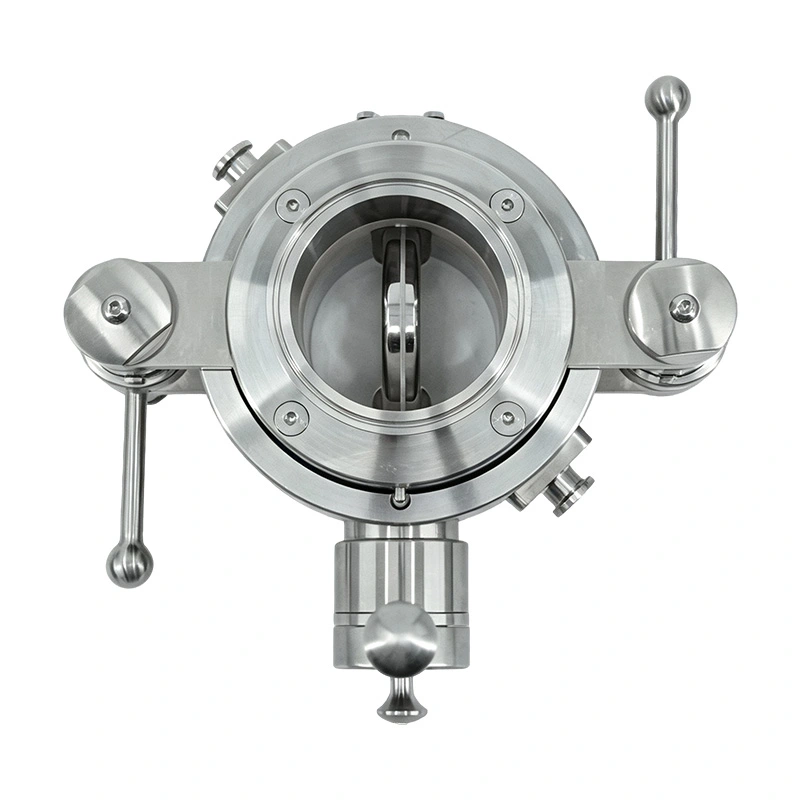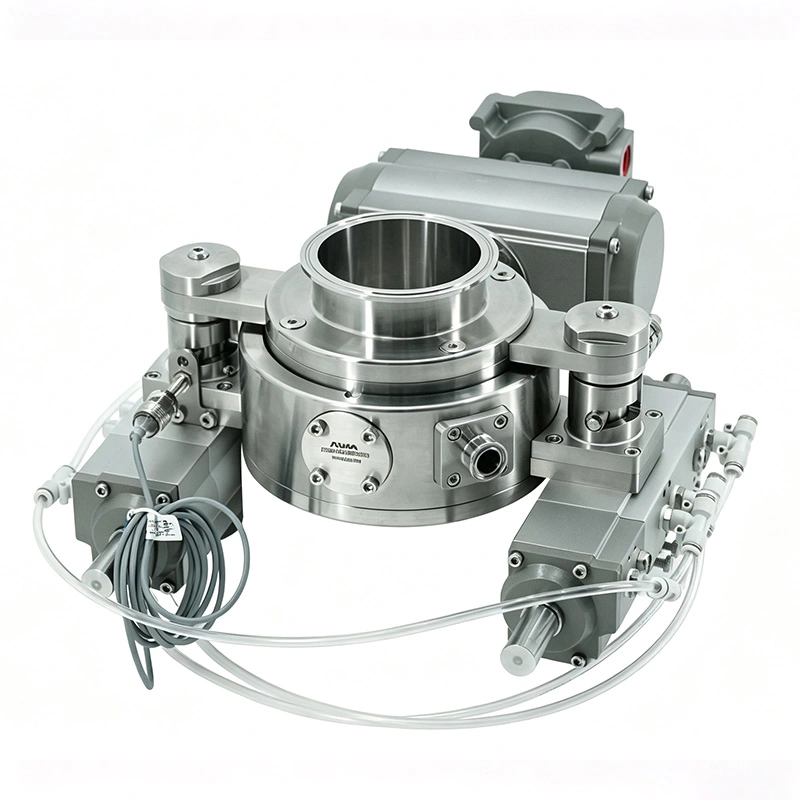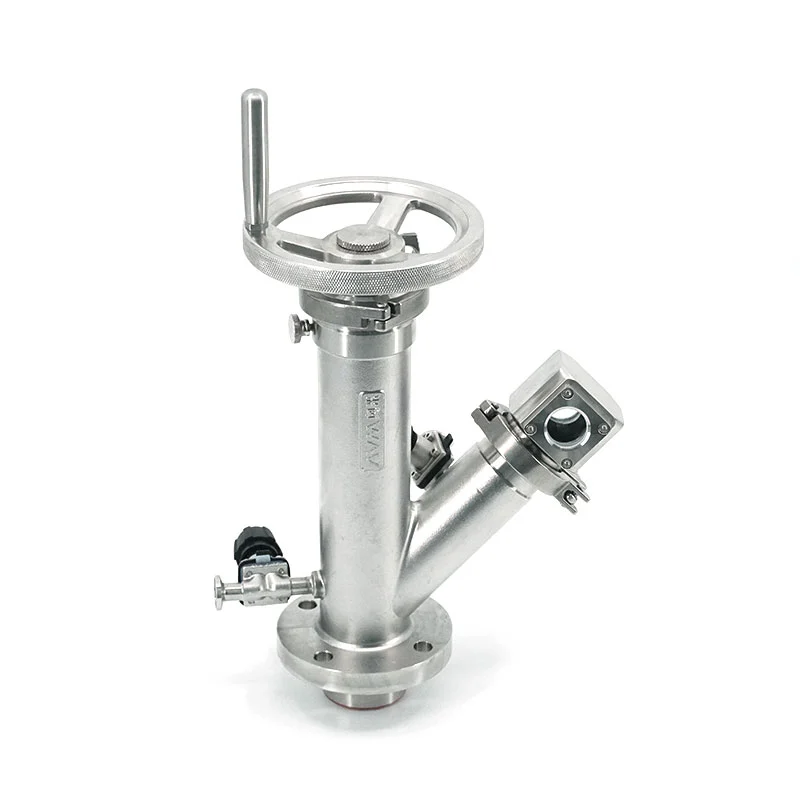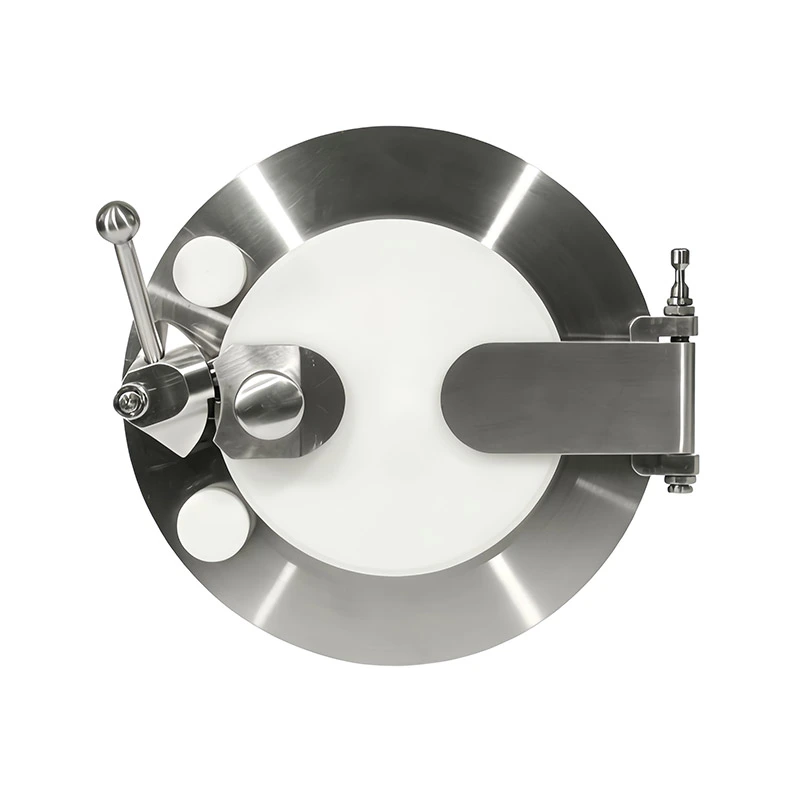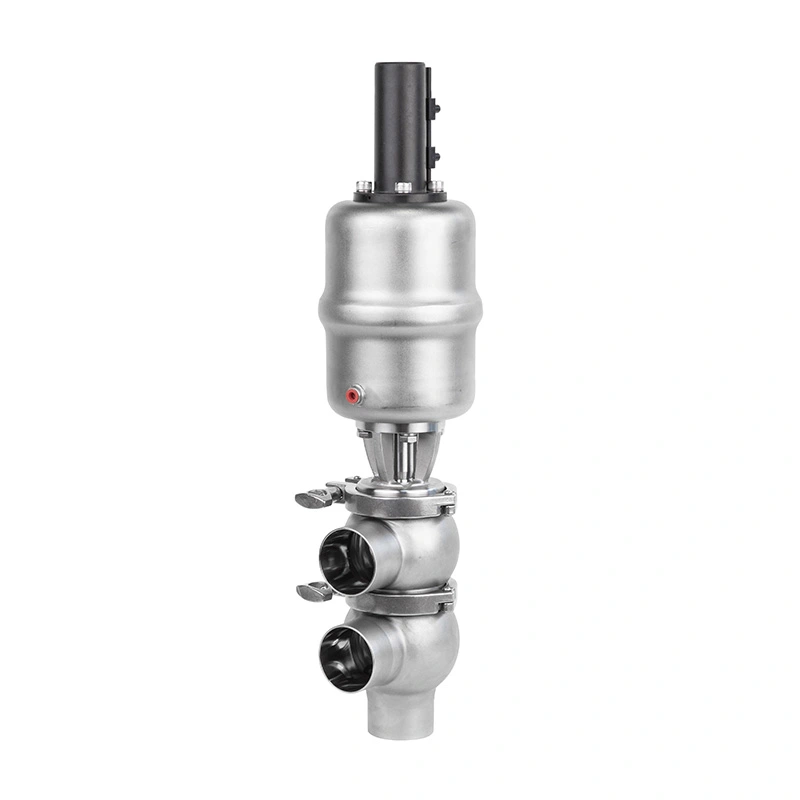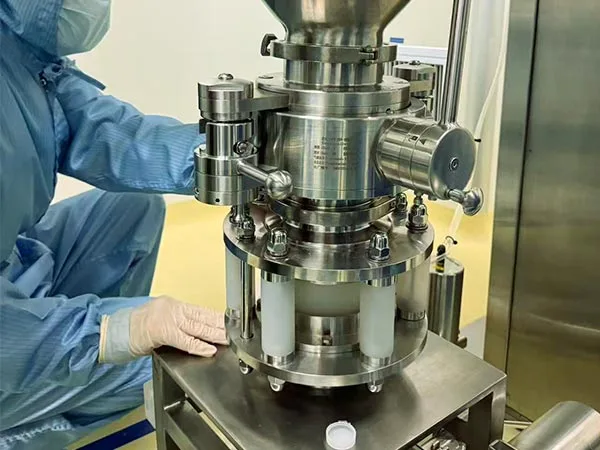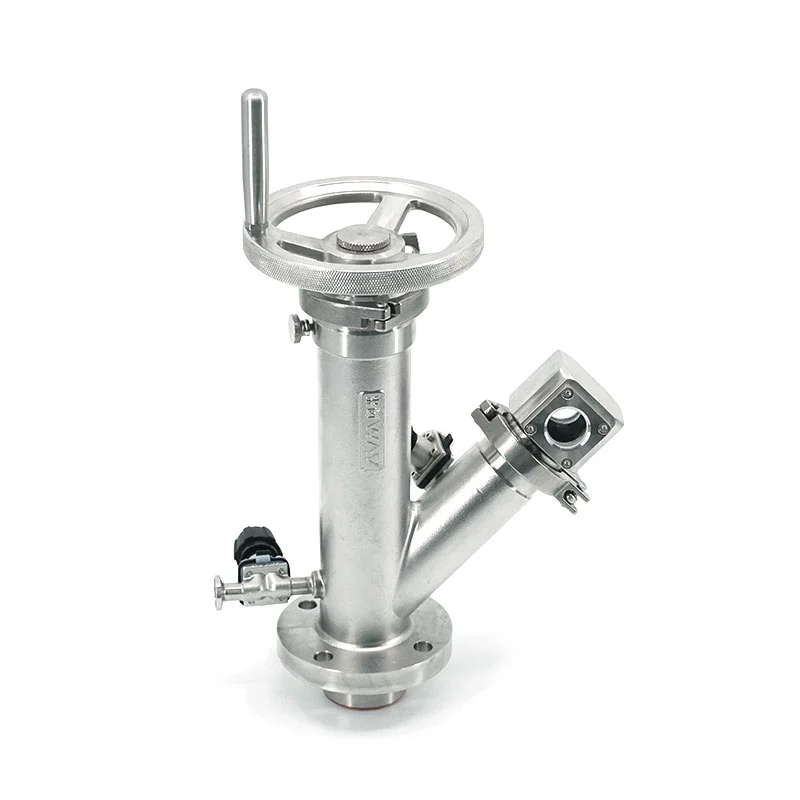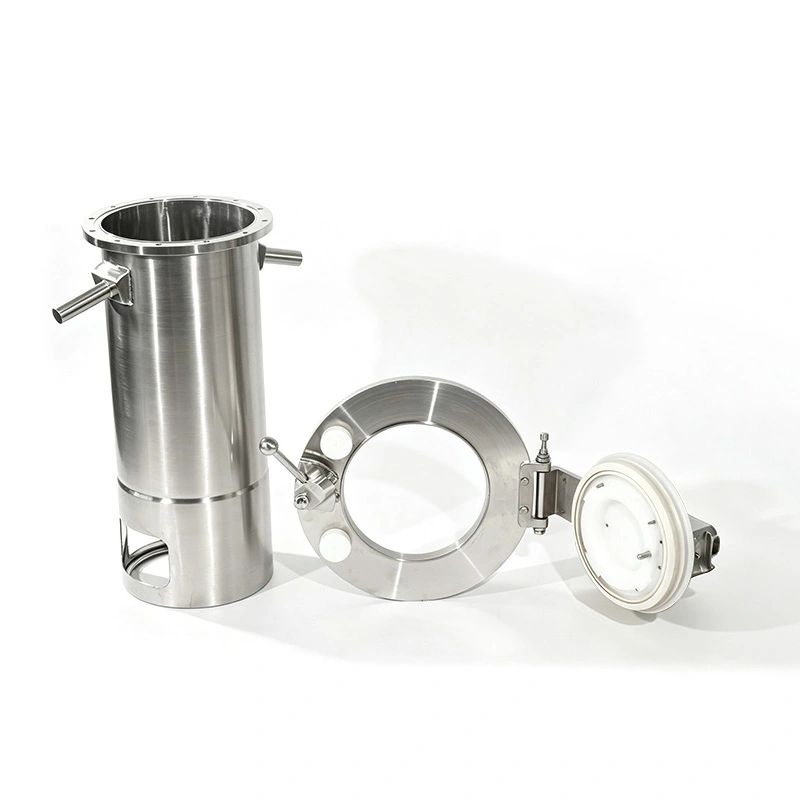
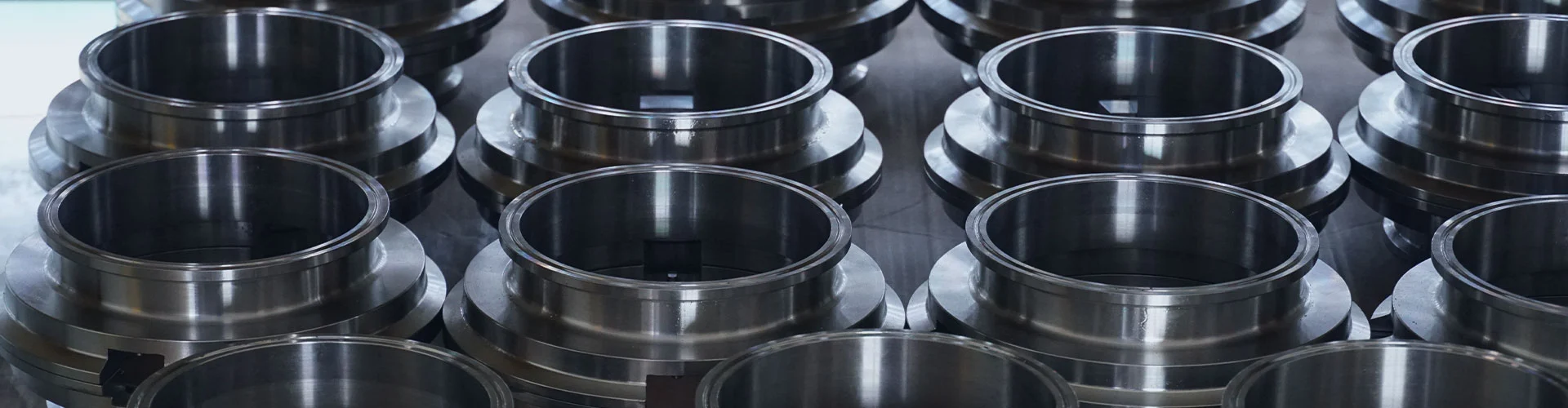
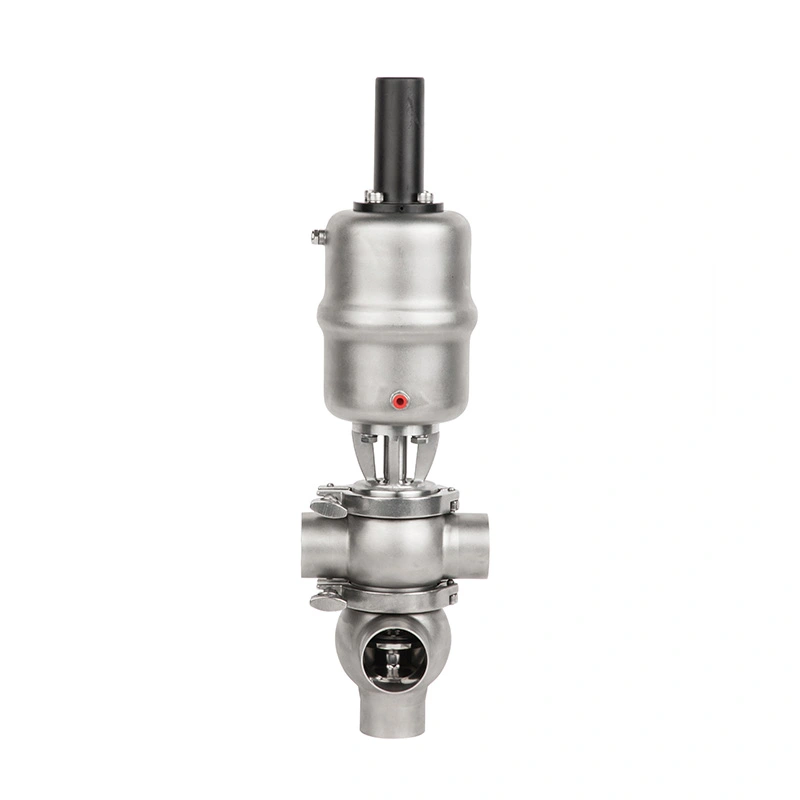
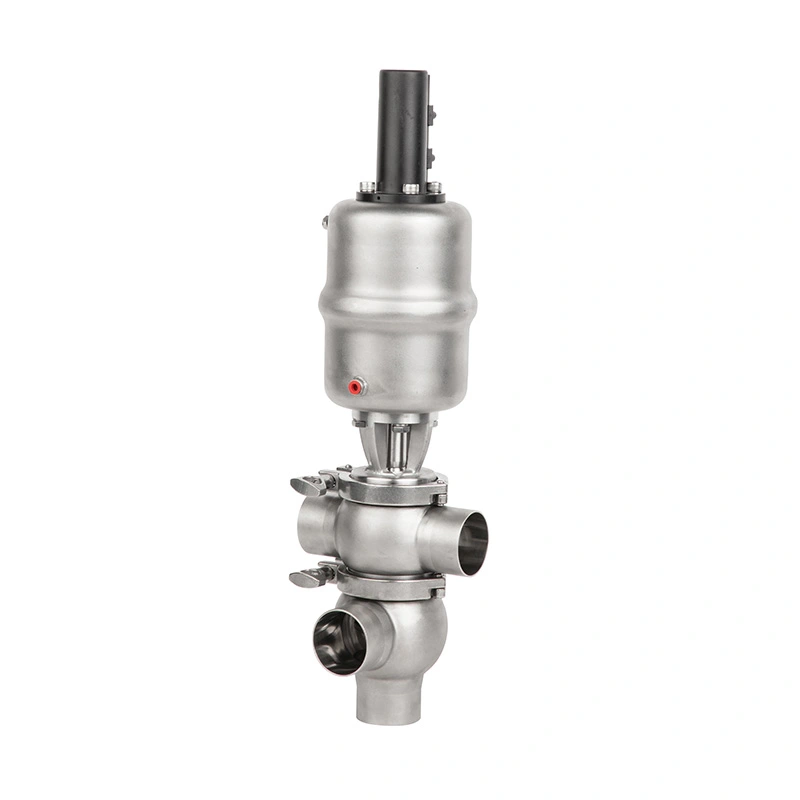
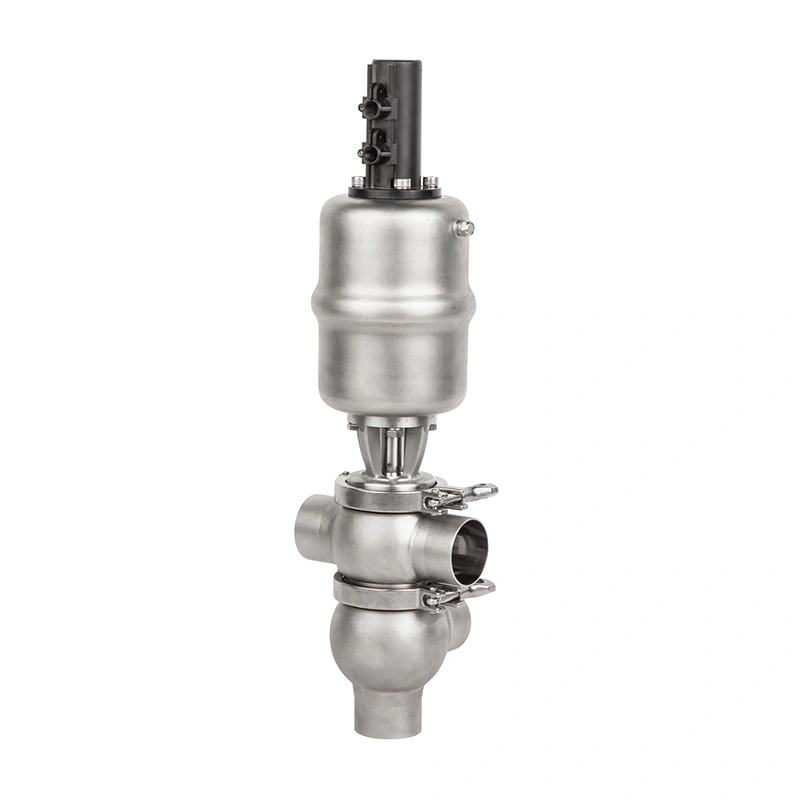
With SS316L product-contact parts, a low-dead-leg flow path, Ra <0.8 μm internal surface finish, and CIP/SIP compatibility, the AVM Sanitary Aseptic Divert Valve is engineered for demanding sanitary applications in dairy, food & beverage, biotechnology, cosmetics, and fine chemical processing.
The valve can be configured with pneumatic actuation and optional 24V intelligent control components, allowing integration into PLC or DCS-based automated processing systems.
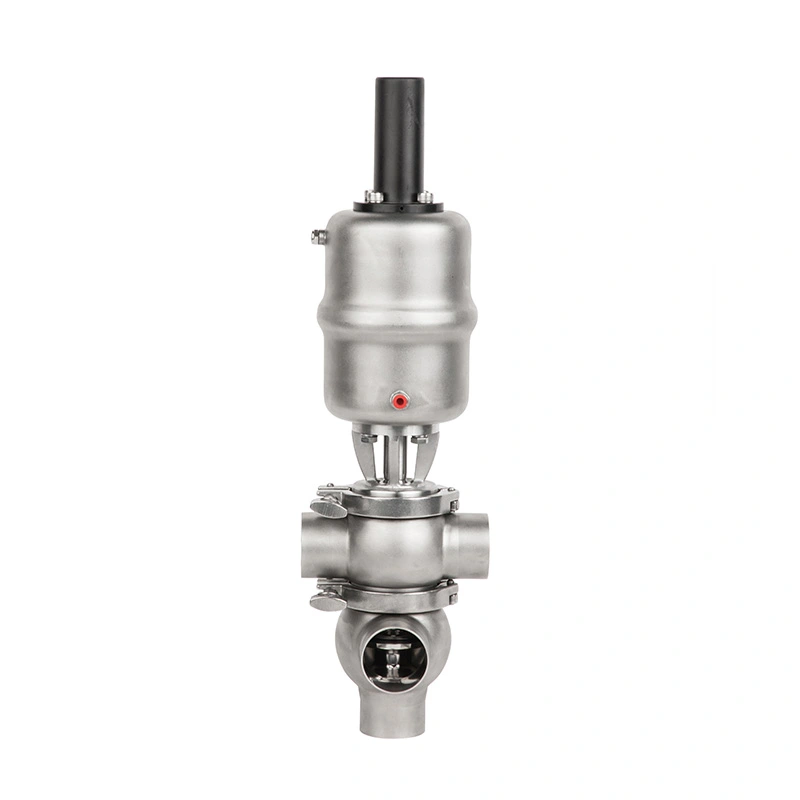
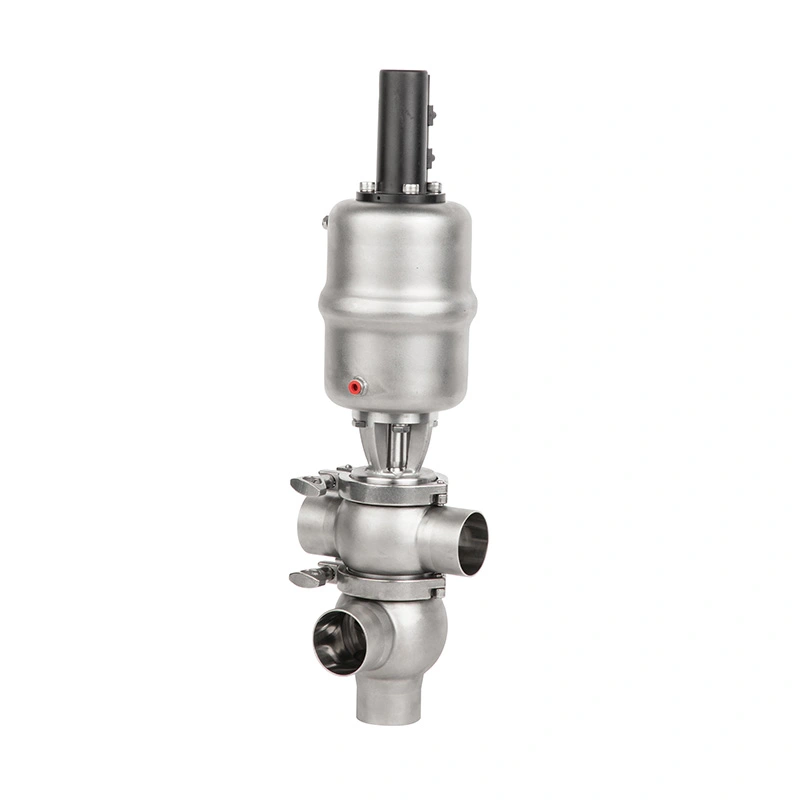
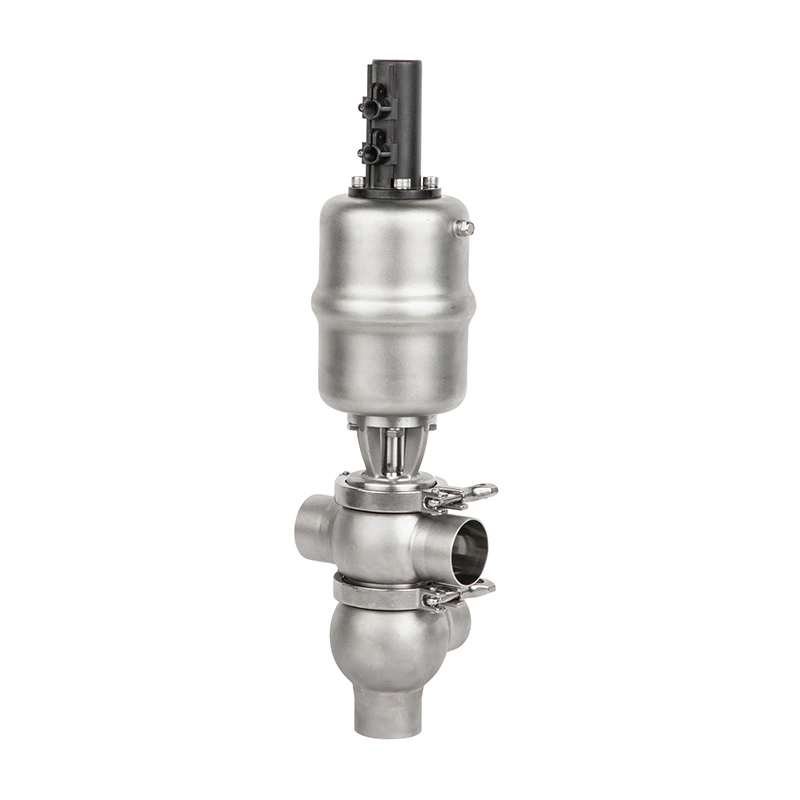
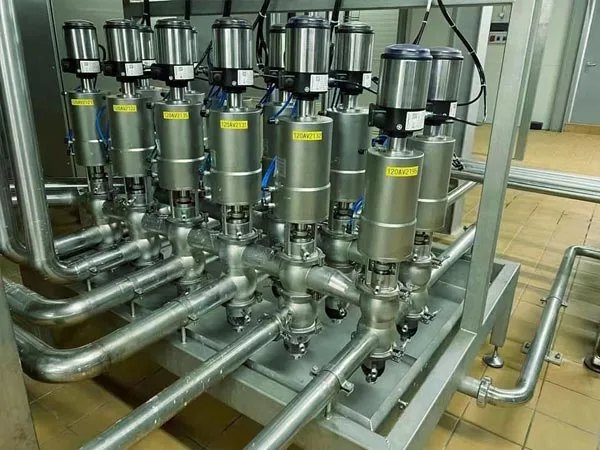
The main purpose of the AVM Sanitary Aseptic Divert Valve is to direct liquid from one process route to another without requiring operators to manually change pipeline connections. It can be applied to product transfer, tank filling, product discharge, recirculation, and process changeover operations.
During production changeover or cleaning, different process media need to remain separated. The hygienic sealing structure helps isolate process fluids and reduces the possibility of unwanted product mixing when multiple flow paths are connected to the same valve assembly.
Automated flow diversion allows process routes to be changed quickly and consistently. This is particularly valuable for production lines handling multiple products, where frequent manual valve operation can increase downtime and introduce operating errors.
All product-contact components are manufactured from SS316L stainless steel, providing corrosion resistance and a hygienic material solution for direct contact with process media.
Non-product-contact components are manufactured from SS304 stainless steel. AVM can also provide an EN 10204 3.1 material certificate for applications requiring material traceability.
The internal flow channel is designed to minimize dead spaces where product residues or cleaning fluids could remain after processing.
This structure helps reduce contamination risks and supports more consistent cleaning performance during repeated production cycles.
The internal surface finish is Ra <0.8 μm, providing a smooth product-contact surface that helps reduce residue adhesion and supports hygienic process requirements.
AVM offers EPDM, FKM, and Silicone sealing materials. All available seal materials comply with FDA 177.2600 requirements.
The correct seal should be selected according to the process medium, operating temperature, cleaning chemicals, and sterilization conditions.
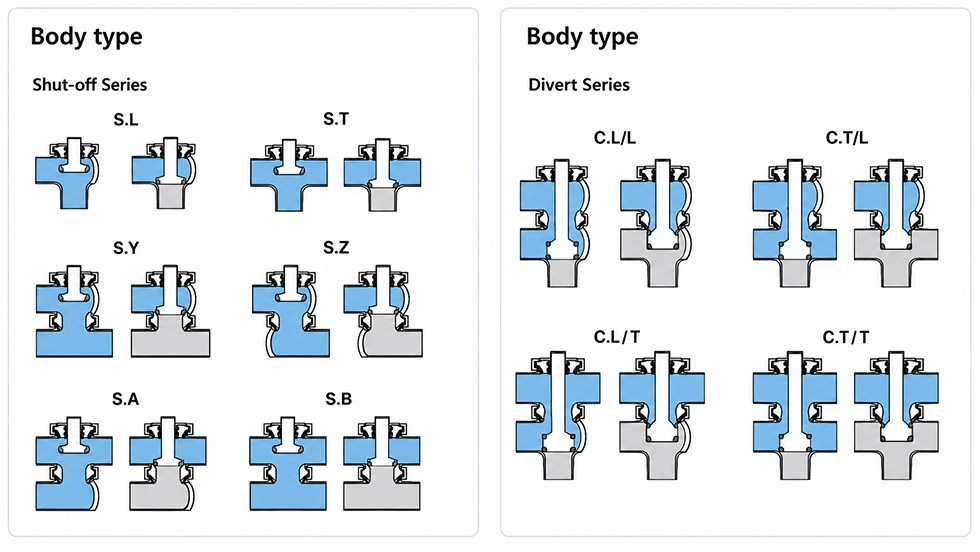
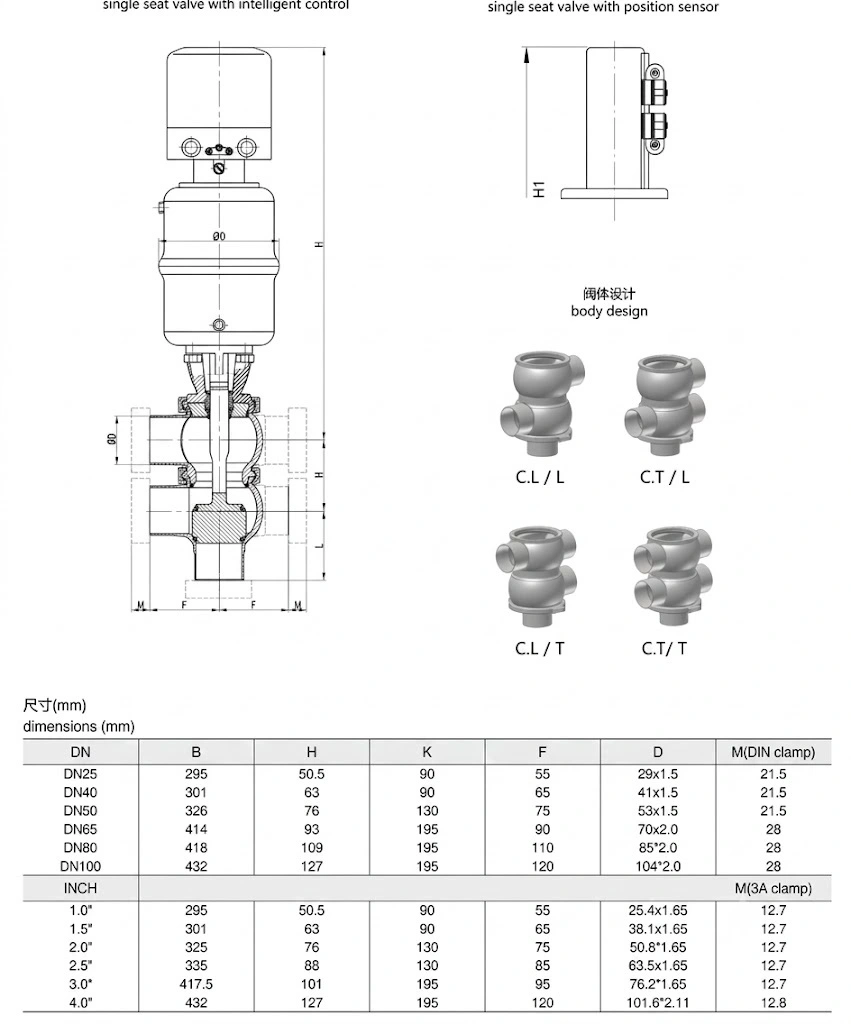
The valve is designed to remain installed during CIP cleaning. Its smooth internal surfaces and low-dead-leg construction help cleaning fluids reach critical areas and remove residual product without routine valve dismantling.
For aseptic processing applications, the valve supports sterilization at 134°C for a maximum of 20 minutes. This allows the valve to be incorporated into production systems where high-temperature in-line sterilization is required.
CIP and SIP compatibility eliminates the need for frequent manual removal for routine cleaning and sterilization, helping reduce maintenance intervention and improve equipment availability.
The pneumatic configuration operates with 5–8 bar control air pressure, providing fast and repeatable valve switching for automated process lines.
An optional 24V intelligent controller can be used for automated valve operation and integration with plant-level control systems.
A 24V position sensor can provide valve position feedback to the control system, helping operators and automated equipment confirm whether the valve has reached the required operating position.
An optional solenoid valve controls the pneumatic actuator, enabling the divert valve to respond to automated signals from PLC or DCS systems.
| Item | Specification |
| Product | Sanitary Aseptic Divert Valve |
| Brand | AVM |
| Product Contact Material | SS316L |
| Non-Product Contact Material | SS304 |
| Material Certificate | EN 10204 3.1 Available |
| Seal Material | EPDM, FKM, Silicone |
| Seal Compliance | FDA 177.2600 |
| Working Temperature | -20°C to +135°C |
| Sterilization | 134°C, Maximum 20 min |
| Working Pressure | 0–5 bar, Standard |
| Control Air Pressure | 5–8 bar |
| Internal Surface Finish | Ra <0.8 μm |
| Connection Type | Tri-Clamp, Butt Weld, Flange |
| Connection Standard | DIN 11850 Series, ASME, ISO, 3-A |
| Optional Accessories | 24V Intelligent Controller, Solenoid Valve, 24V Position Sensor |
Tri-Clamp connections provide a convenient solution for sanitary piping systems where regular inspection, cleaning, and equipment replacement are required. They are widely used in food, beverage, dairy, and pharmaceutical-related processing environments.
Butt welded connections provide a permanent pipeline connection with a smooth internal transition. They are suitable for installations where minimizing joints and maintaining hygienic flow conditions are important.
Flanged configurations provide a robust mechanical connection for process systems requiring convenient equipment integration and disassembly.
AVM supports DIN 11850 series, ASME, ISO, and 3-A connection standards to accommodate different international sanitary piping systems.
The valve can redirect milk, liquid dairy products, cleaning solutions, and other compatible fluids between different process routes while supporting frequent CIP operations.
For beverage and liquid food production, the valve supports product transfer, filling, recirculation, discharge, and production changeover applications where hygienic flow control is required.
Biotechnology production requires controlled process routing and strict sanitation. The AVM valve's aseptic design and SIP capability make it suitable for compatible biotechnology processing systems.
The valve can be used in hygienic cosmetic production lines where clean liquid handling, reliable flow diversion, and repeatable process switching are required.
For compatible fine chemical applications, SS316L construction and hygienic flow control provide a reliable solution for handling process liquids under controlled sanitary conditions.
Provide the exact liquid or process medium to determine material and seal compatibility.
Confirm the required working pressure, operating temperature, and sterilization conditions to ensure the valve configuration meets the actual process requirements.
Specify whether the system requires Tri-Clamp, Butt Weld, or Flange connections and identify the applicable DIN, ASME, ISO, or 3-A standard.
For automated production lines, confirm whether a pneumatic actuator, solenoid valve, 24V intelligent controller, or position sensor is required.
For projects requiring material traceability, request the EN 10204 3.1 certificate together with the valve order.
The AVM valve focuses on the specific requirements of sanitary process routing, providing reliable switching between different pipelines rather than simply controlling flow on and off.
The low-dead-leg structure, smooth internal surface, CIP compatibility, and 134°C SIP capability help support demanding hygienic production environments.
SS316L product-contact parts, SS304 non-product-contact parts, and optional EN 10204 3.1 certification provide clear material traceability for qualified industrial projects.
Pneumatic operation, 24V intelligent control, solenoid valve integration, and position sensing allow the AVM valve to be incorporated into automated processing lines.
It is primarily used to redirect process liquids between different pipelines while maintaining hygienic conditions. Typical applications include product transfer, tank filling, discharge, recirculation, and process changeover.
Yes. The valve is designed for CIP cleaning and supports SIP sterilization at 134°C for up to 20 minutes.
The standard working pressure is 0–5 bar. Actual operating conditions should be confirmed when selecting the valve configuration.
AVM offers EPDM, FKM, and Silicone. The selection should be based on the process medium, temperature, cleaning chemicals, and sterilization conditions.
Yes. With the optional pneumatic actuator, solenoid valve, 24V intelligent controller, and position sensor, the valve can be integrated into automated PLC or DCS control systems.
AVM can provide an EN 10204 3.1 material certificate for applicable stainless steel materials. Seal materials comply with FDA 177.2600 requirements.
The valve is available with Tri-Clamp, Butt Weld, and Flange connections and can be configured according to DIN 11850 series, ASME, ISO, and 3-A standards.
For hygienic production lines requiring reliable flow routing, fast process changeover, and in-line cleaning and sterilization, the AVM Sanitary Aseptic Divert Valve provides a practical solution.
Send AVM your process medium, pipeline connection, working pressure, operating temperature, sterilization requirements, and automation configuration to select the appropriate valve design for your application.
Address
No. 373 Oufan Road, Dongtou District, Wenzhou City, Zhejiang Province, China
Tel