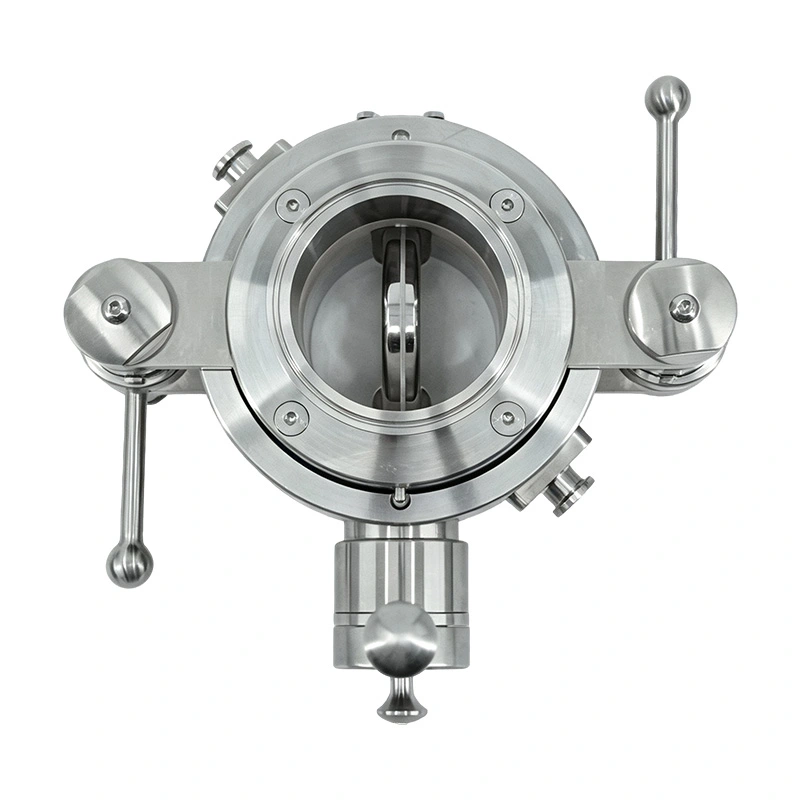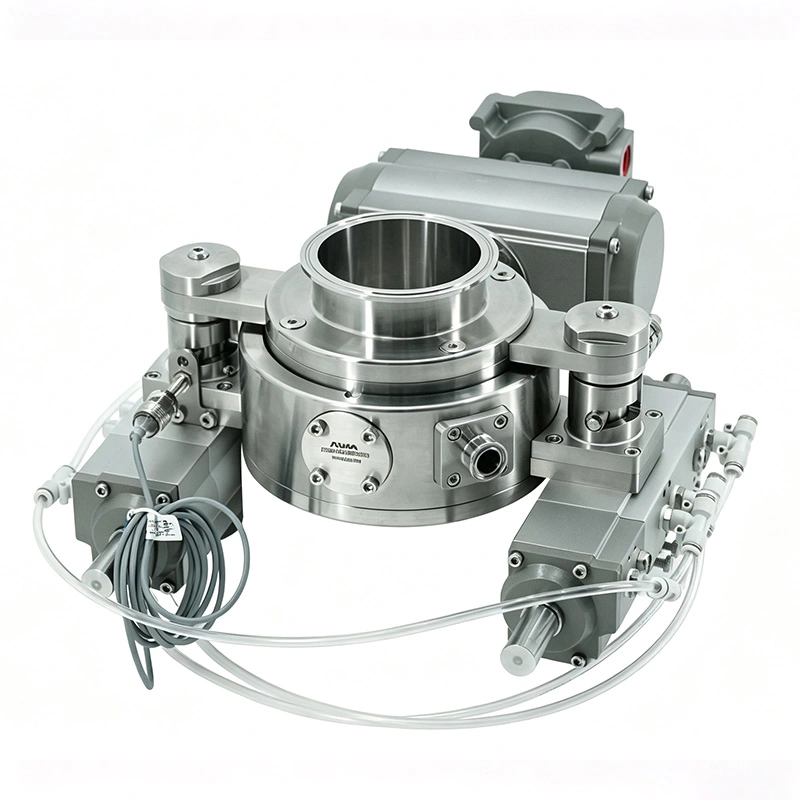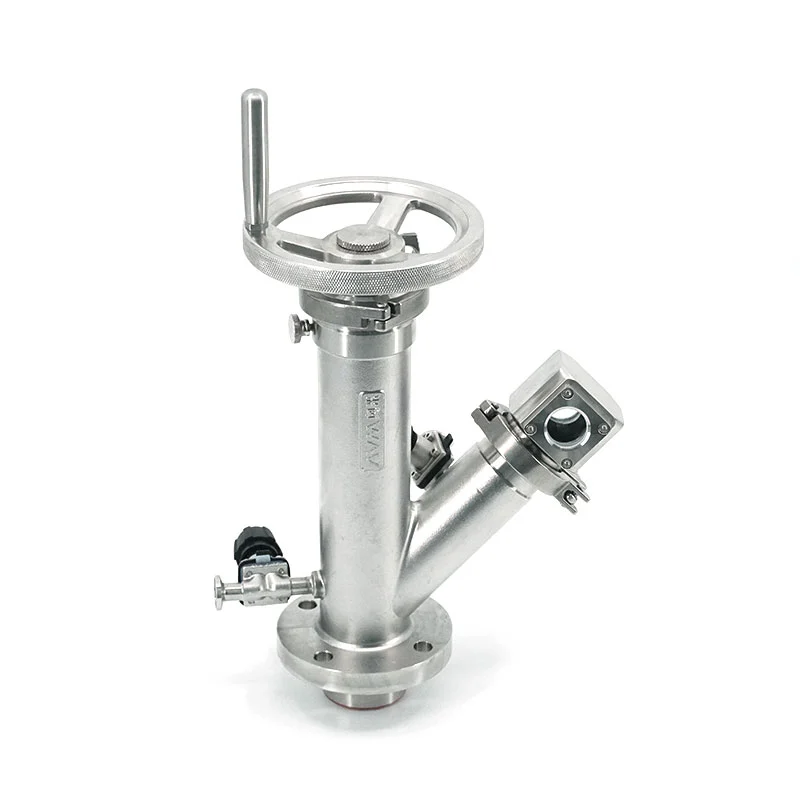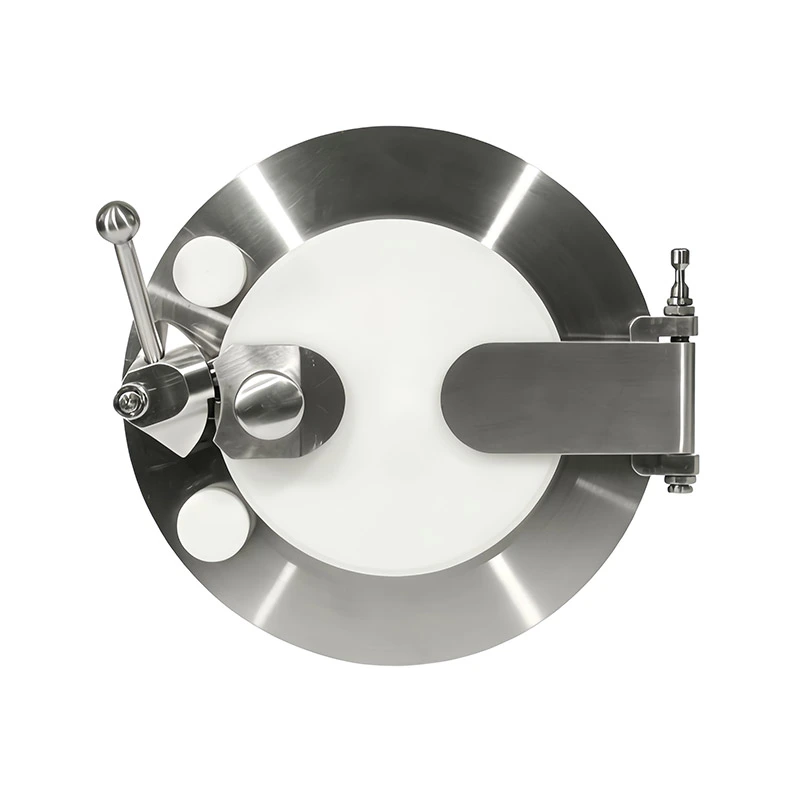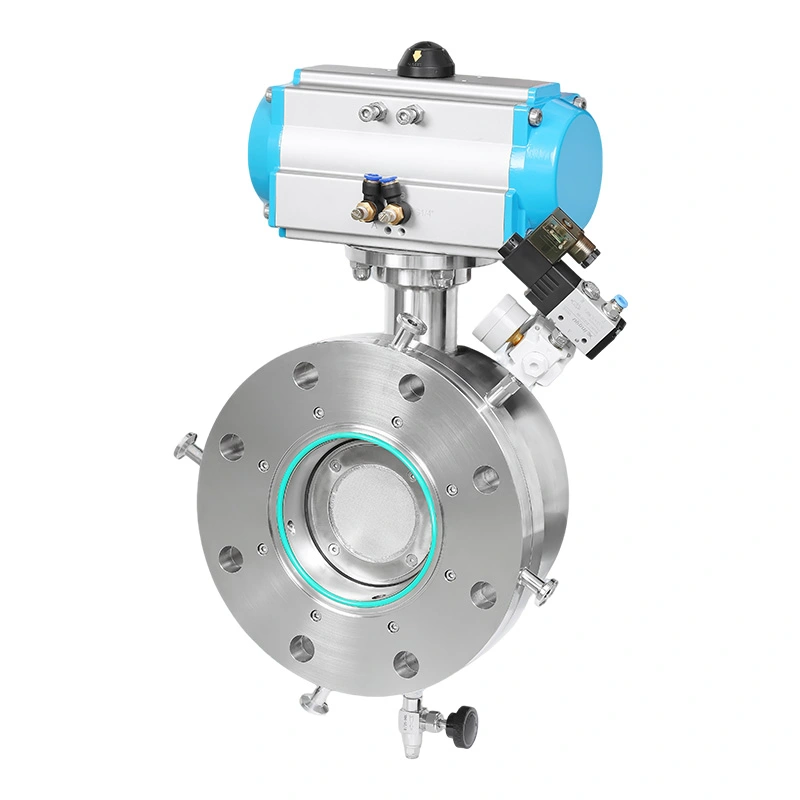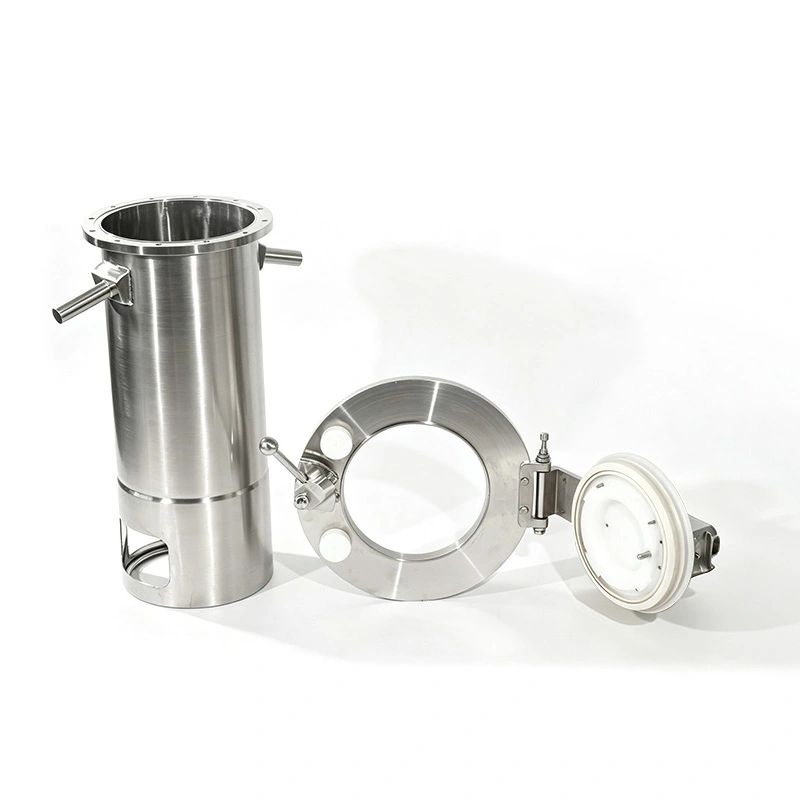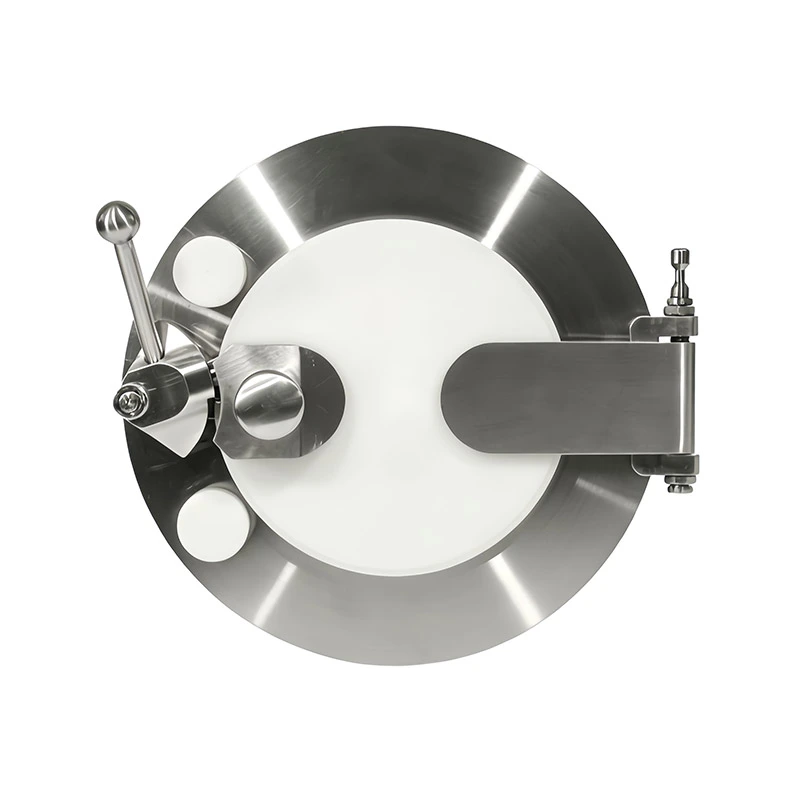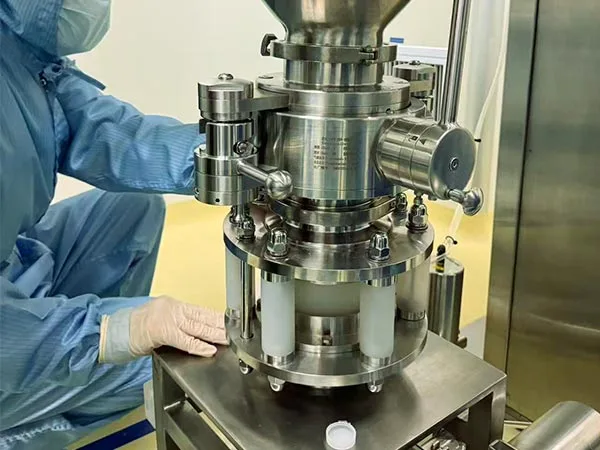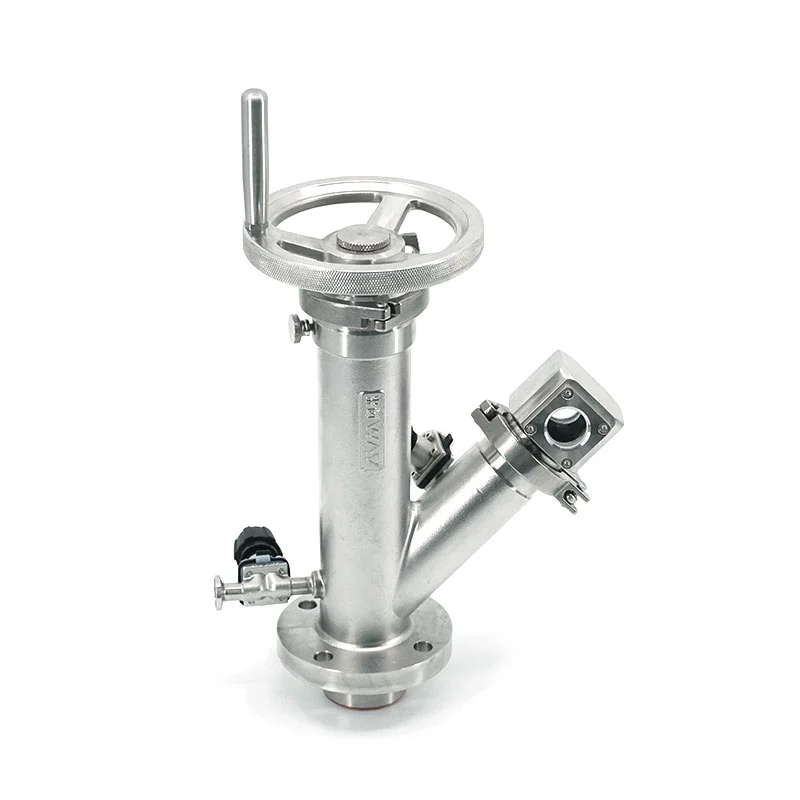
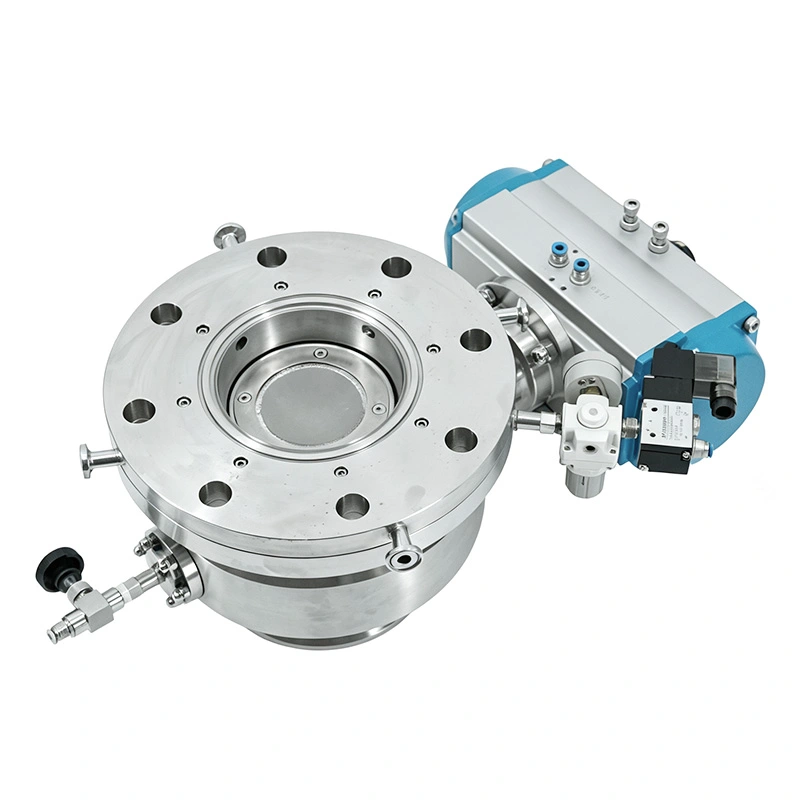
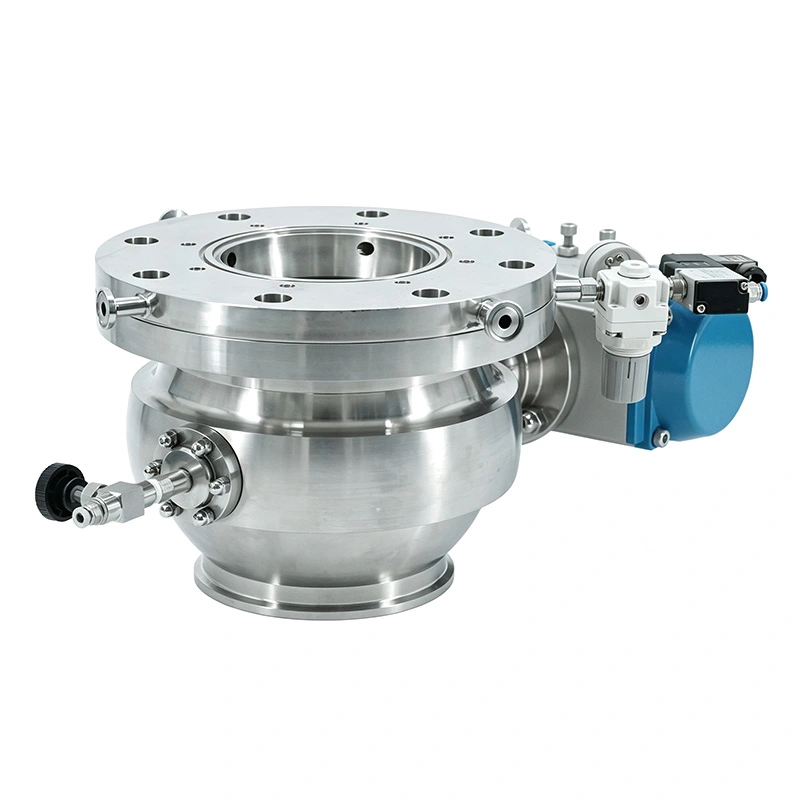
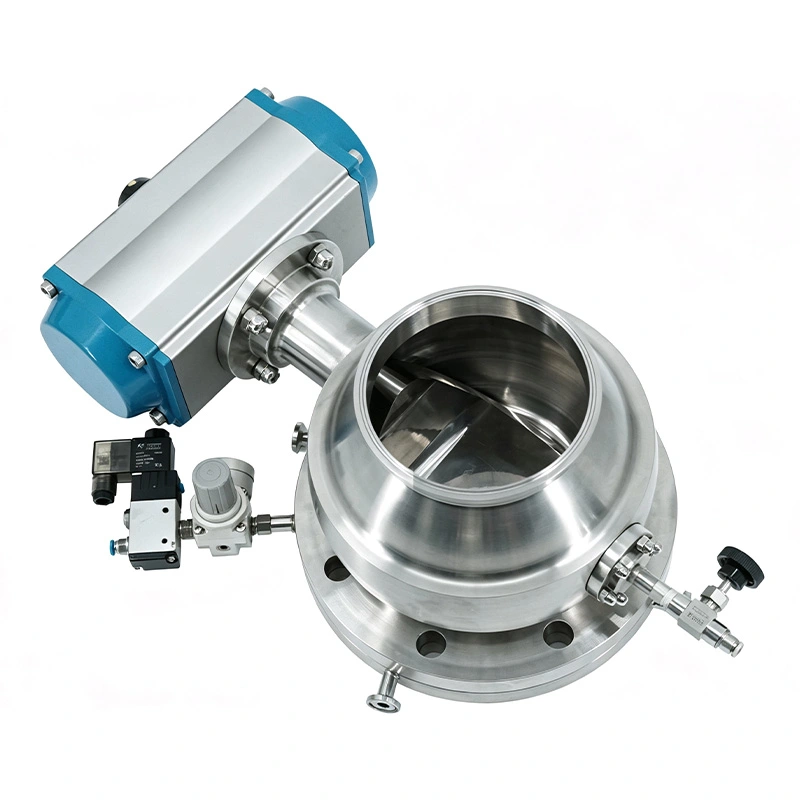
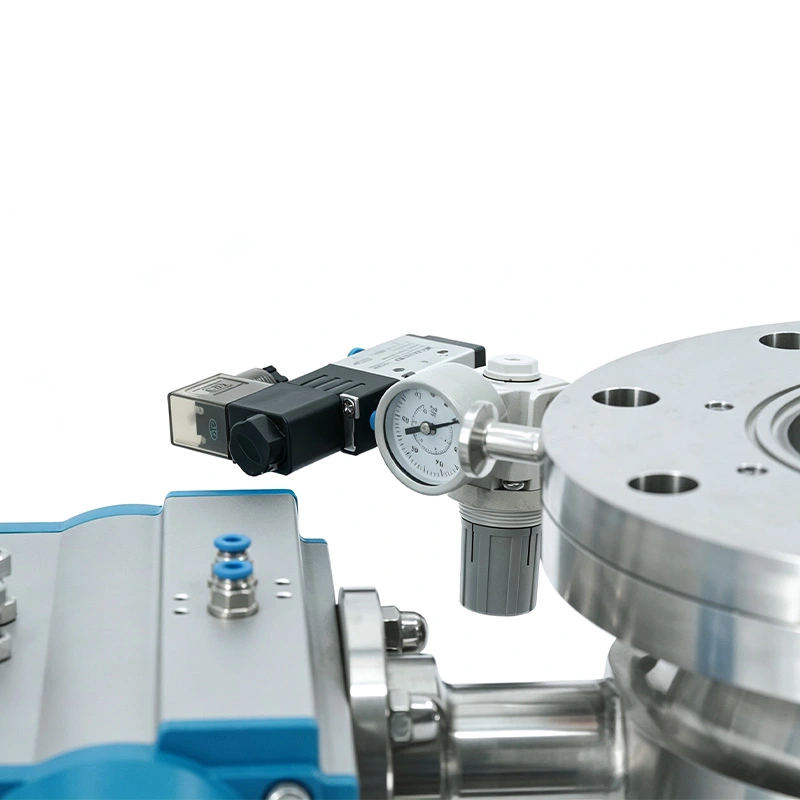
The Sanitary Inflatable Seal Segmented Ball Valve is particularly valuable in equipment such as vacuum dryers, reactors, mixers and powder processing systems where conventional valve seals can suffer from friction, product accumulation or leakage during repeated operation.
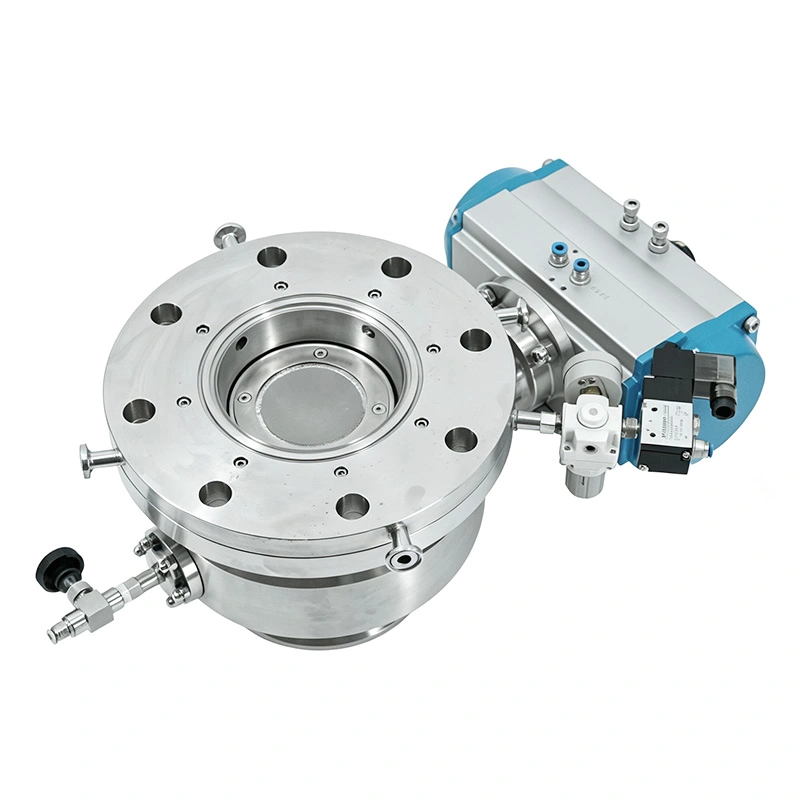
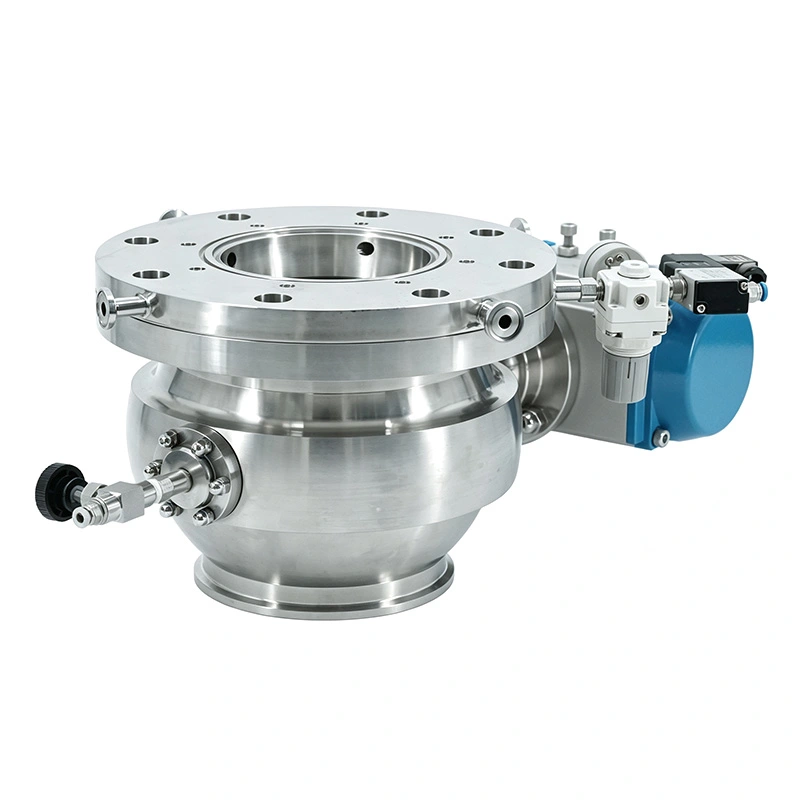
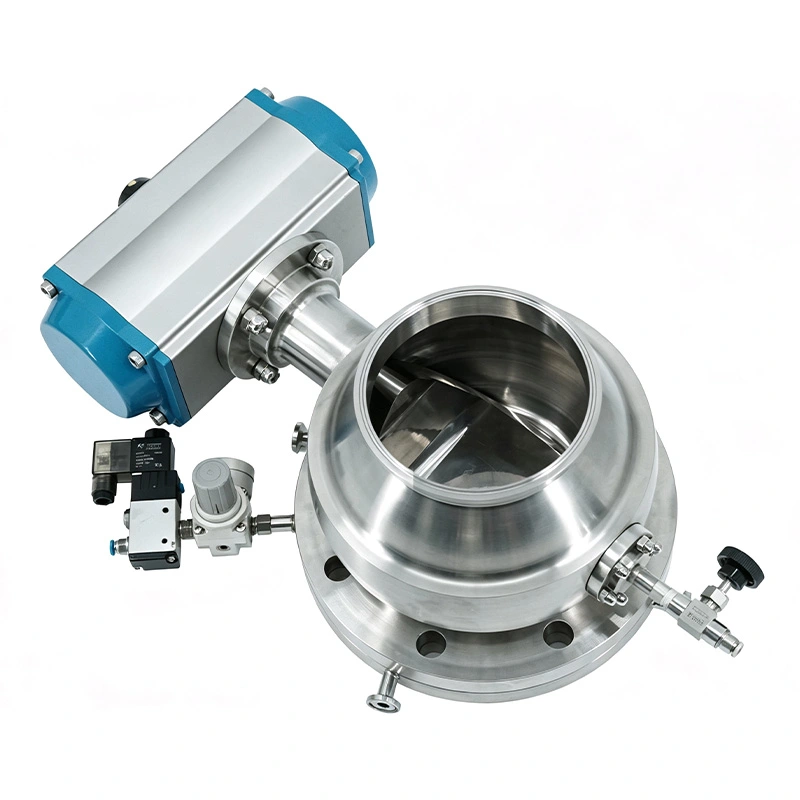
The AVM segmented ball valve uses an inflatable seal positioned between the valve body and spherical segment.
During opening, the seal retracts away from the segment, allowing the segment to rotate without continuous rubbing against the sealing surface. After the segment reaches the closed position, the seal inflates and presses against the segment to establish the required shut-off.
This seal-retracting principle reduces friction during valve movement and helps extend seal service life.
For vacuum processing equipment, maintaining vacuum integrity is critical. The inflatable sealing system provides reliable sealing under both vacuum and positive-pressure conditions, making the valve particularly suitable for vacuum drying and contained powder discharge.
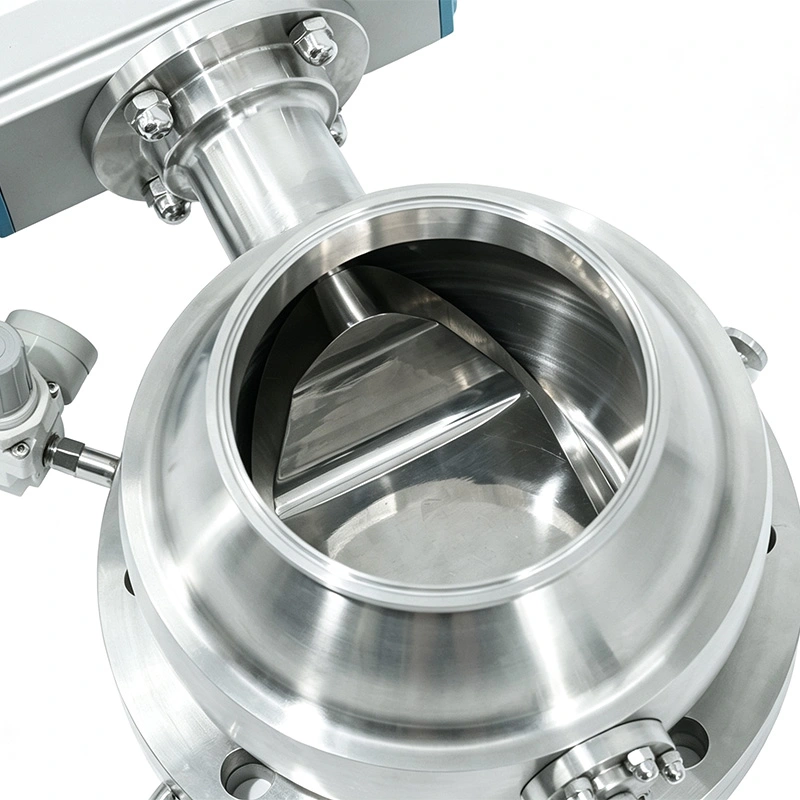
When fully open, the segmented design provides an unobstructed discharge path. This helps powders, granules, pastes and other process materials pass through the valve with reduced accumulation and bridging.
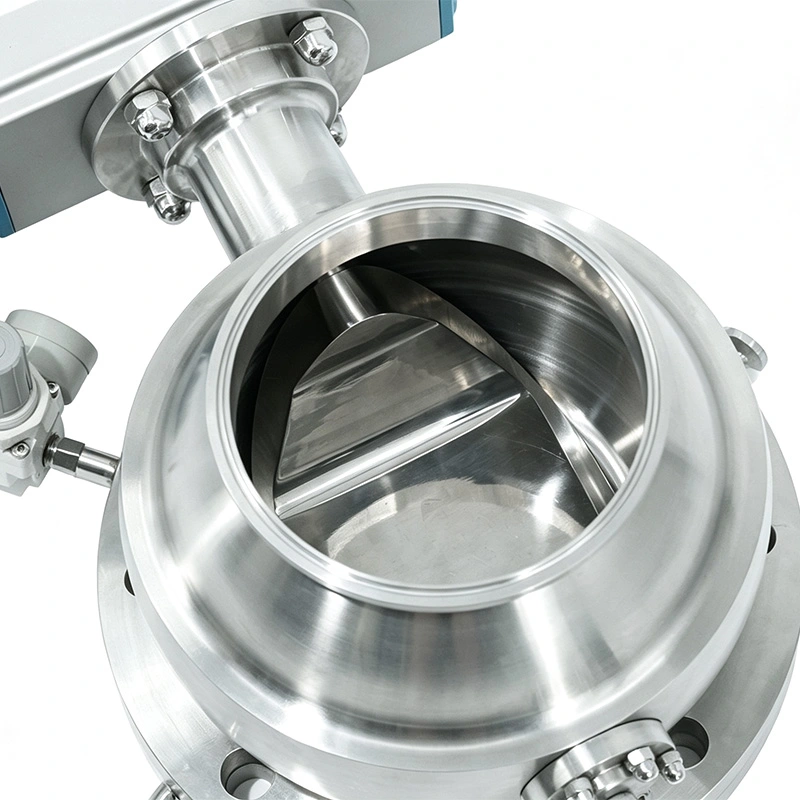
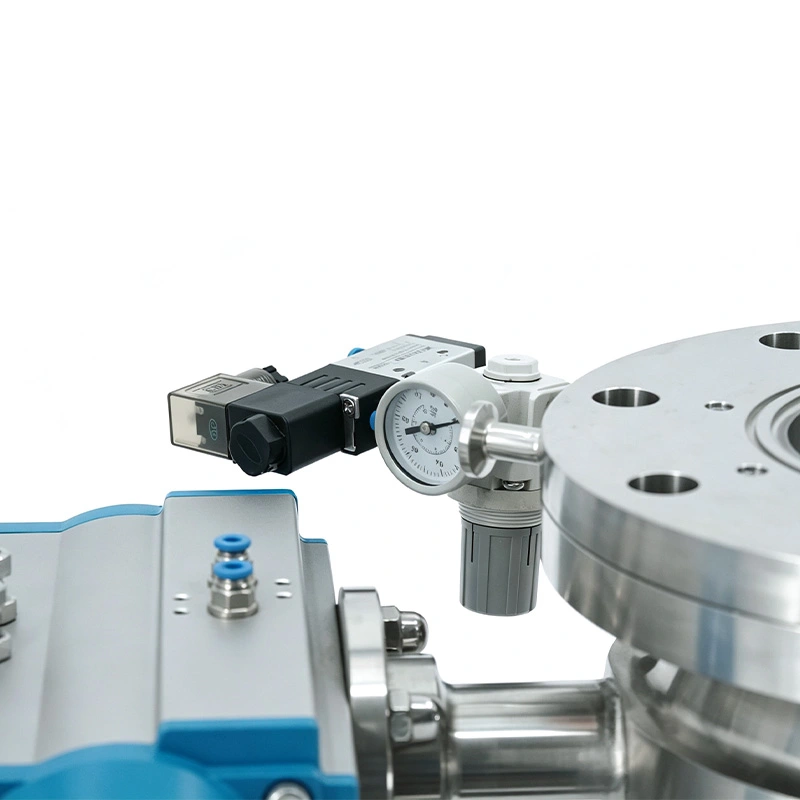
The pneumatic system first deflates the inflatable seal. The seal retracts from the segment, removing contact during rotation. The spherical segment then rotates approximately 90° to open the flow passage.
The segment rotates back to the closed position. Once correctly positioned, the inflatable seal expands and presses against the segment, creating a tight sealing interface.
This sequence separates valve movement from sealing contact, reducing unnecessary wear compared with designs where the seal remains in continuous contact during rotation.
The Sanitary Inflatable Seal Segmented Ball Valve can be installed at the discharge outlet of vacuum dryers where the process requires reliable vacuum retention and efficient material discharge.
The full-bore opening helps discharge dried powders and granules with minimal obstruction, while the inflatable seal supports isolation between the dryer and downstream equipment.
The valve provides a hygienic discharge interface for powder products while reducing areas where material can remain trapped.
For pharmaceutical and fine chemical processes involving valuable or hazardous powders, the sealing structure helps reduce leakage and unwanted product release.
Product-contact surfaces can achieve Ra <0.4 μm, while non-contact surfaces can achieve Ra <0.8 μm. The reduced dead-space design helps minimize product retention and supports cleaning and validation procedures.
The Sanitary Inflatable Seal Segmented Ball Valve body is available in SS304, SS316L, Duplex 2205 and Titanium TA2, allowing the material configuration to be matched to corrosion, purity and process requirements.
| Parameter | Specification |
| Valve Size | 3"–12" |
| Body Material | SS304, SS316L, Duplex 2205, Titanium TA2 |
| Inflatable Seal | EPDM, Silicone, FKM |
| Product Contact Finish | Ra <0.4 μm |
| Non-Contact Finish | Ra <0.8 μm |
| Working Pressure | -0.1 to +0.5 MPa |
| Working Temperature | -20°C to +135°C |
| End Connections | Flange, Tri-Clamp |
| Actuation | Pneumatic Actuator |
| Optional Accessories | Filter Mesh, Pressure Regulating Valve, Limit Switch Box, Purge Ports |
Used as a discharge valve for vacuum dryers where vacuum tightness and rapid material discharge are both important.
Suitable for pharmaceutical powder handling, contained discharge and equipment isolation where hygienic construction and leakage control are critical.
Applicable to cathode, anode and other fine battery materials where product containment, cleanability and corrosion resistance are important.
Used with powders, granules and other process materials in reactors, mixers, dryers and contained transfer systems.
Suitable for hygienic discharge and isolation in ingredient processing systems where stainless-steel construction and cleanable product-contact surfaces are required.
| Consideration | AVM Inflatable Seal Segmented Ball Valve | Conventional Ball Valve |
| Sealing Method | Inflatable pneumatic seal | Conventional fixed seal |
| Seal During Rotation | Retracted | Typically remains in contact |
| Seal Wear | Reduced friction during operation | Depends on design |
| Vacuum Application | Designed for vacuum tightness | Application dependent |
| Discharge | Full-bore product passage | Depends on valve configuration |
| Product Retention | Low-dead-space design | Depends on design |
| Main Focus | Containment and hygienic discharge | General isolation |
A pharmaceutical processing customer required an outlet valve for a vacuum drying system where maintaining vacuum conditions and achieving reliable powder discharge were both important. The customer selected the AVM valve because the inflatable seal could retract before the segment rotated, reducing seal friction during repeated opening and closing.
The customer particularly valued the combination of vacuum sealing performance and unobstructed product discharge, which simplified the connection between the dryer and downstream collection equipment.
A fine chemical customer needed a discharge valve for a powder process where material leakage and product retention were concerns. The customer selected the inflatable seal configuration because the seal could be inflated only during the closed position, while the full-bore passage provided a cleaner discharge path when open.
The feedback focused on improved containment during isolation and reduced material accumulation around the sealing area.
AVM sanitary valve products are supported by applicable 3-A Sanitary Standards, ISO 9001, CE and FDA compliance. For pharmaceutical and food applications, sanitary material, surface finish and sealing configurations can be selected according to the process requirements.
The valve can also be configured with purge ports, pressure regulating systems, position feedback sensors and automated control components for more demanding process environments.
The Sanitary Inflatable Seal Segmented Ball Valve uses an inflatable air seal operated by a pneumatic system. The seal retracts during opening and rotation, then inflates after closing to establish the sealing interface.
Retracting the seal eliminates continuous friction between the seal and rotating segment. This helps reduce wear and can extend seal service life.
Yes. Its vacuum sealing capability and full-bore discharge path make it particularly suitable for vacuum dryers, rotary vacuum dryers and conical dryers.
The valve body can be supplied in SS304, SS316L, Duplex 2205 or Titanium TA2, depending on corrosion resistance and process requirements.
Yes. The valve uses a pneumatic actuator and can be equipped with position feedback, limit switch boxes and other control accessories for automated process systems.
A conventional ball valve generally uses a complete spherical ball with a through-hole for isolation. The AVM design uses a segmented ball together with an inflatable seal, making it better suited to applications requiring controlled discharge, hygienic containment and reduced sealing friction.
Address
No. 373 Oufan Road, Dongtou District, Wenzhou City, Zhejiang Province, China
Tel